
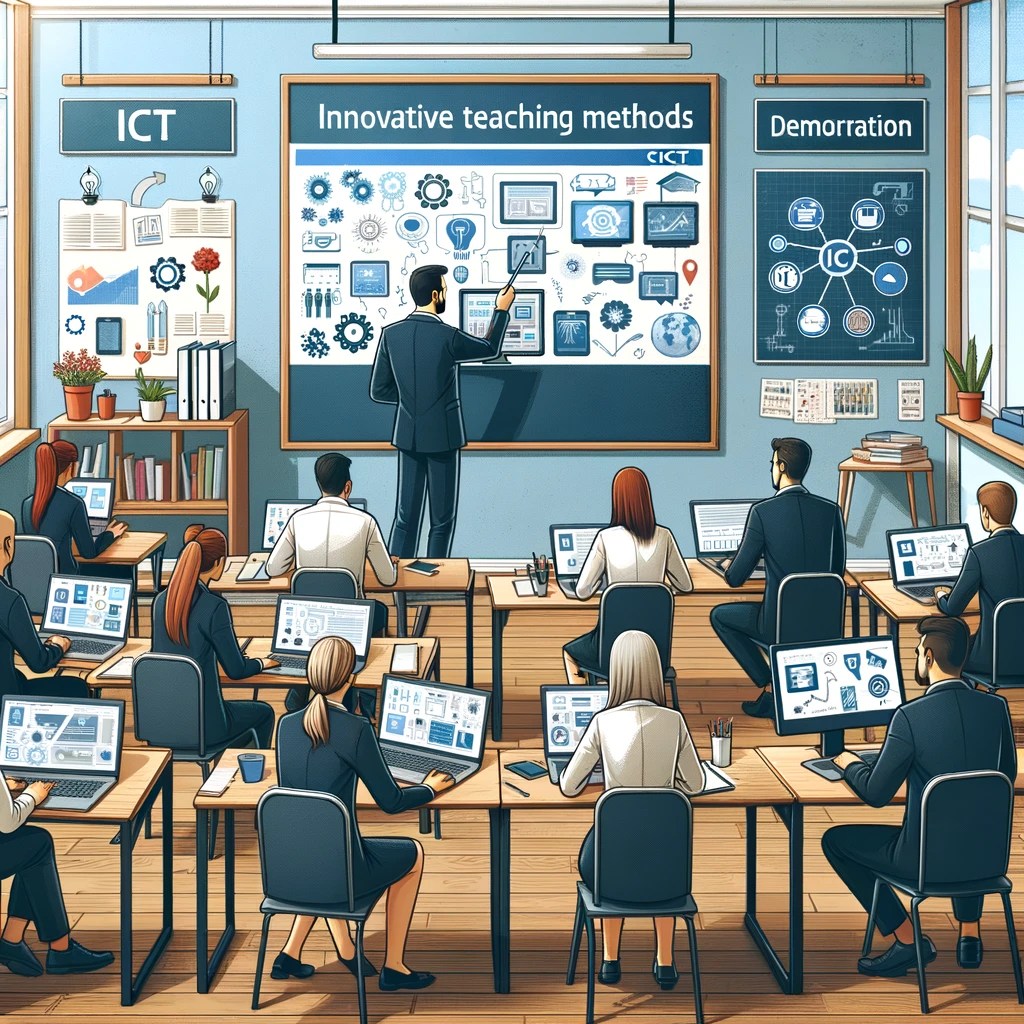
By- Ayesha Fatema
A platform for Educationalists, Teachers from schools & colleges, Psychologists, Researchers & Students to express their articles, research papers & posters.
( Hybrid Mode)
Integration of Education & Psychology
“Empowering Minds: Innovations in Student Psychology and Teaching Strategies”
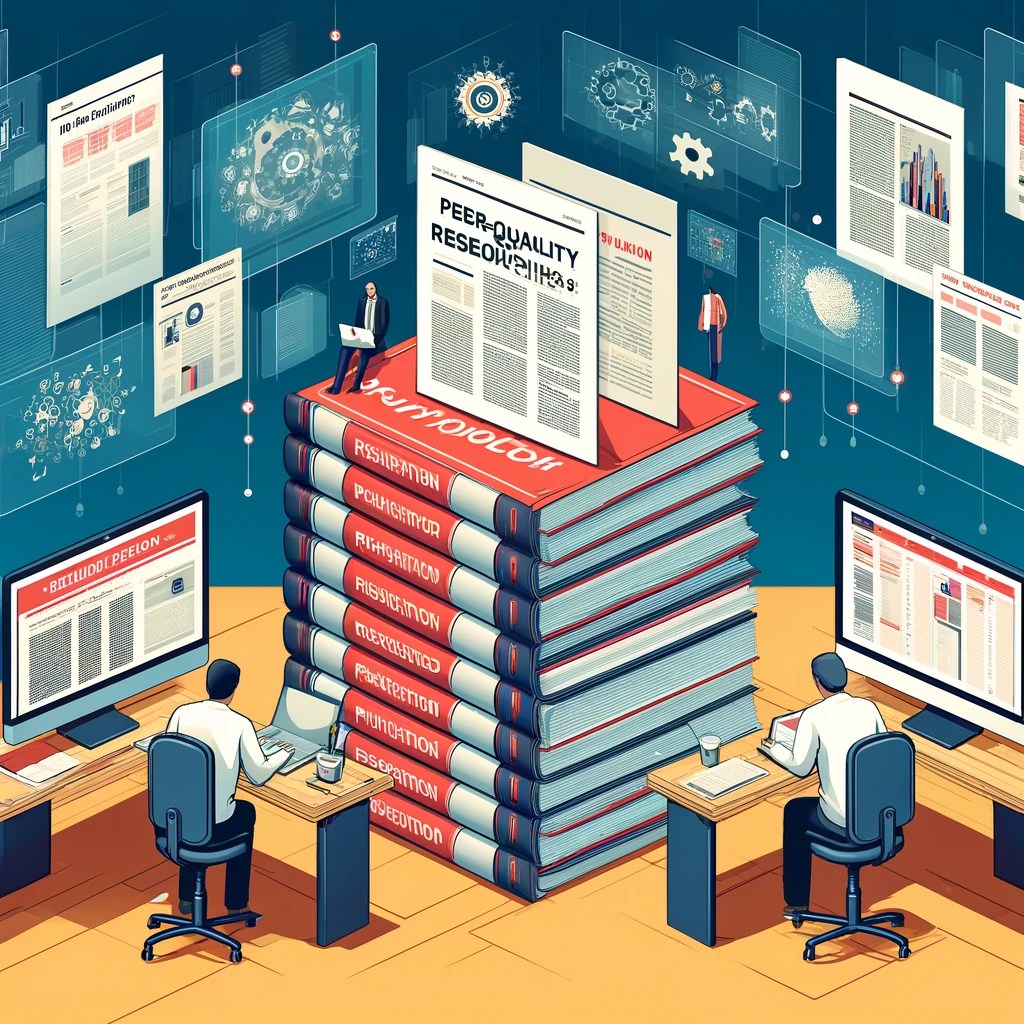
Understanding student psychology is crucial in education as it helps educators tailor their teaching methods to meet the diverse needs of students. Here’s how student psychology plays a role : 1) Learning Styles: Every student has a unique way of learning. Some may be visual learners, others auditory or kinesthetic. Understanding these preferences can help educators design lessons that cater to different learning styles, thereby increasing student engagement and comprehension. 2) Motivation: Student motivation greatly impacts their learning outcomes. By understanding the psychological factors that drive motivation, such as intrinsic interests, goals, and self-efficacy beliefs, educators can create a supportive learning environment that fosters enthusiasm for learning. 3) Cognitive Development: Knowledge of cognitive development theories, such as Piaget’s stages of cognitive development or Vygotsky’s sociocultural theory, can guide educators in selecting appropriate teaching strategies that align with students’ cognitive abilities at different developmental stages. 4) Emotional Well-being: Emotional well-being significantly influences learning. Educators who are knowledgeable about emotional intelligence and socio-emotional development can create a classroom atmosphere that promotes positive relationships, empathy, and resilience, thereby enhancing students’ overall well-being and academic performance. 5) Individual Differences: Students come from diverse backgrounds and possess varying abilities, interests, and experiences. Understanding these individual differences helps educators implement differentiated instruction, which involves adapting teaching methods and materials to accommodate the unique needs of each student.



 The Life Navigator