

Identifying signs of depression in students can be challenging, as symptoms may vary and can be easily mistaken for typical teenage behavior or other issues. However, recognizing these signs early is crucial for providing the necessary support and intervention. Here are some common signs of depression in students:

Emotional Signs
Persistent Sadness or Low Mood
- Students may appear consistently sad, down, or tearful without an apparent cause.
Irritability or Anger
- Increased irritability, frustration, or anger outbursts over minor issues can be a sign, especially if this behavior is unusual for the student.
Feelings of Worthlessness or Guilt
- Expressions of excessive guilt or feelings of worthlessness, often not based on reality.
Hopelessness
- A pervasive sense of hopelessness about the future, with students feeling that things will never improve.
Anxiety
- High levels of anxiety or excessive worry about various aspects of life, including school, social interactions, or personal future.
Behavioral Signs
Withdrawal from Friends and Activities
- Students may start avoiding friends, social gatherings, or activities they previously enjoyed.
Changes in Academic Performance
- A noticeable decline in academic performance, lack of interest in schoolwork, or difficulty concentrating can indicate depression.
Fatigue and Lack of Energy
Persistent tiredness, even after adequate sleep, and a general lack of energy or motivation to engage in daily activities.

Changes in Sleep Patterns
- Insomnia or excessive sleeping (hypersomnia) that disrupts normal routines.
Appetite and Weight Changes
- Significant weight loss or gain due to changes in eating habits, such as loss of appetite or overeating.
Neglect of Personal Hygiene
- A decline in personal hygiene and grooming habits, which can be a sign of losing interest in self-care.
Frequent Complaints of Physical Illness
- Complaints about unexplained physical symptoms, such as headaches, stomachaches, or other pains that do not have a clear medical cause.
Cognitive Signs
Difficulty Concentrating
- Trouble focusing on tasks, staying on track with assignments, or following conversations.
Indecisiveness
- Increased difficulty making decisions, even about small matters.
Negative Thought Patterns
- Pervasive negative thinking, pessimism, and frequent self-criticism.
Thoughts of Death or Suicide
- Expressions or thoughts about death, dying, or suicide. These should be taken very seriously and require immediate attention.
Social Signs
Isolation from Peers
- Avoiding social interactions, skipping school, or staying away from group activities.
Changes in Social Behavior
- Noticeable changes in social behavior, such as becoming overly dependent on one friend or completely isolating from everyone.
Conflict with Family and Friends
- Increased arguments and conflict with family members or friends, which can be a sign of underlying distress.
Additional Signs
Self-Harm
- Evidence of self-harming behaviors, such as cuts, burns, or other injuries, which can be a coping mechanism for emotional pain.
Risky Behavior
- Engaging in risky or reckless behavior, such as substance abuse, promiscuity, or dangerous activities, as a way to escape or numb feelings.
Steps to Take if Depression is Suspected
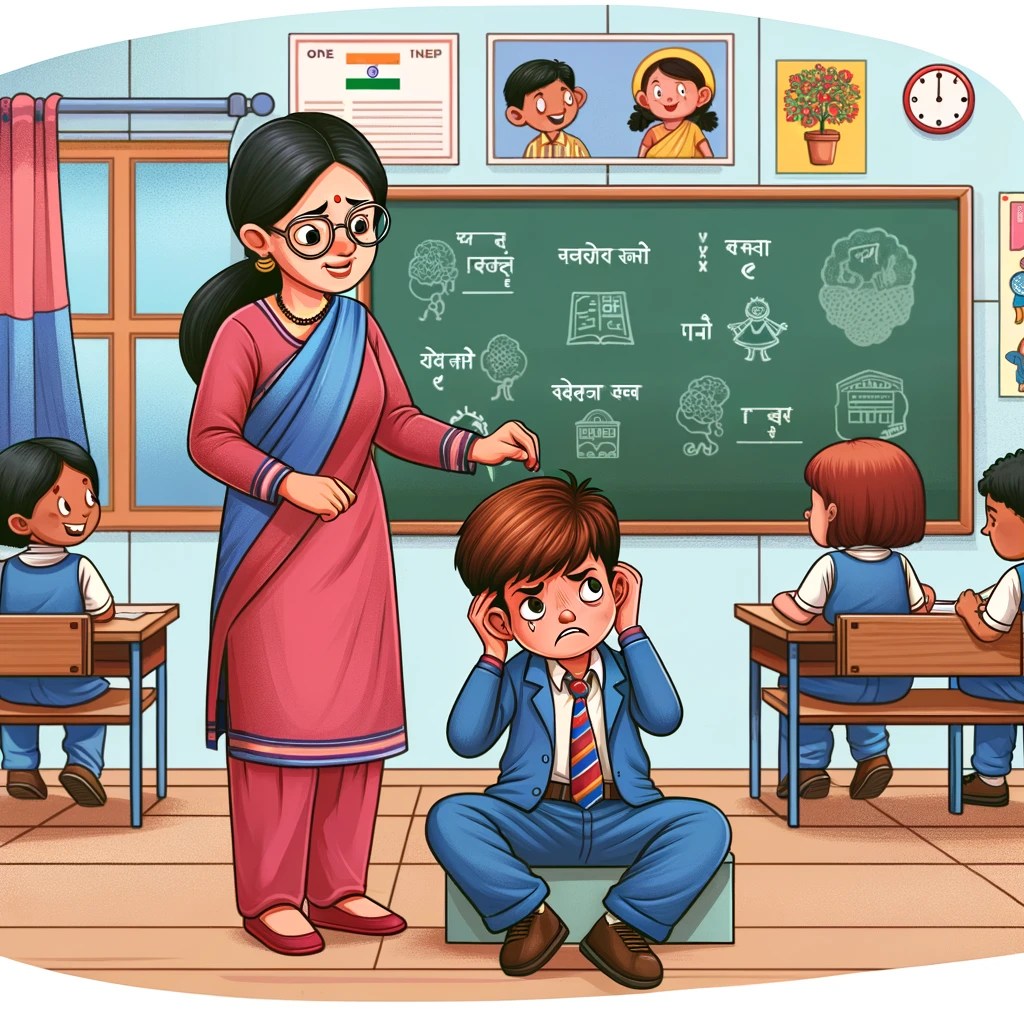
Communicate and Listen
- Talk to the student in a supportive and non-judgmental manner. Let them know you are there to listen and help.
Involve Parents or Guardians
Inform the student’s parents or guardians about your concerns and observations.

Seek Professional Help
- Encourage the student and their family to seek help from a mental health professional, such as a school counselor, psychologist, or psychiatrist.
Provide Support at School
- Offer additional support at school, such as adjustments to the academic workload, a safe space to talk, or involvement in supportive peer groups.
Monitor and Follow Up
- Continue to monitor the student’s behavior and well-being, and maintain regular follow-ups to ensure they are receiving the help they need.


 The Life Navigator