
By- Hj Ella Nurlaela, S.Pd, Kober Nurul Fithroh, Bandung Provinsi, Jawa barat, Indonesia
Managing early childhood education settings like Kindergarten, Upper Kindergarten (UKG), and Lower Kindergarten (LKG) requires a delicate balance of psychological understanding and overall health considerations. Incorporating nature and innovative activities can significantly enhance the well-being and development of young children. Here are some effective strategies to achieve this.
Understanding the Psychological Needs of Young Children
Children in the early years are at a critical stage of psychological development. Understanding their needs is essential for creating a nurturing environment:

- Emotional Security: Young children need to feel safe and loved. Creating a warm and welcoming atmosphere where they feel secure is paramount.
- Social Interaction: Encouraging positive interactions with peers helps develop social skills and emotional intelligence.
- Cognitive Development: Activities should be designed to stimulate curiosity, creativity, and critical thinking.

The Role of Nature in Early Childhood Education
Exposure to nature has profound benefits for children’s psychological and physical health:
- Reducing Stress: Nature has a calming effect, reducing stress and anxiety levels in children.
- Improving Focus and Attention: Outdoor activities can improve concentration and attention spans.
- Enhancing Physical Health: Outdoor play promotes physical activity, which is essential for overall health and development.
Innovative Activities to Integrate Nature and Learning
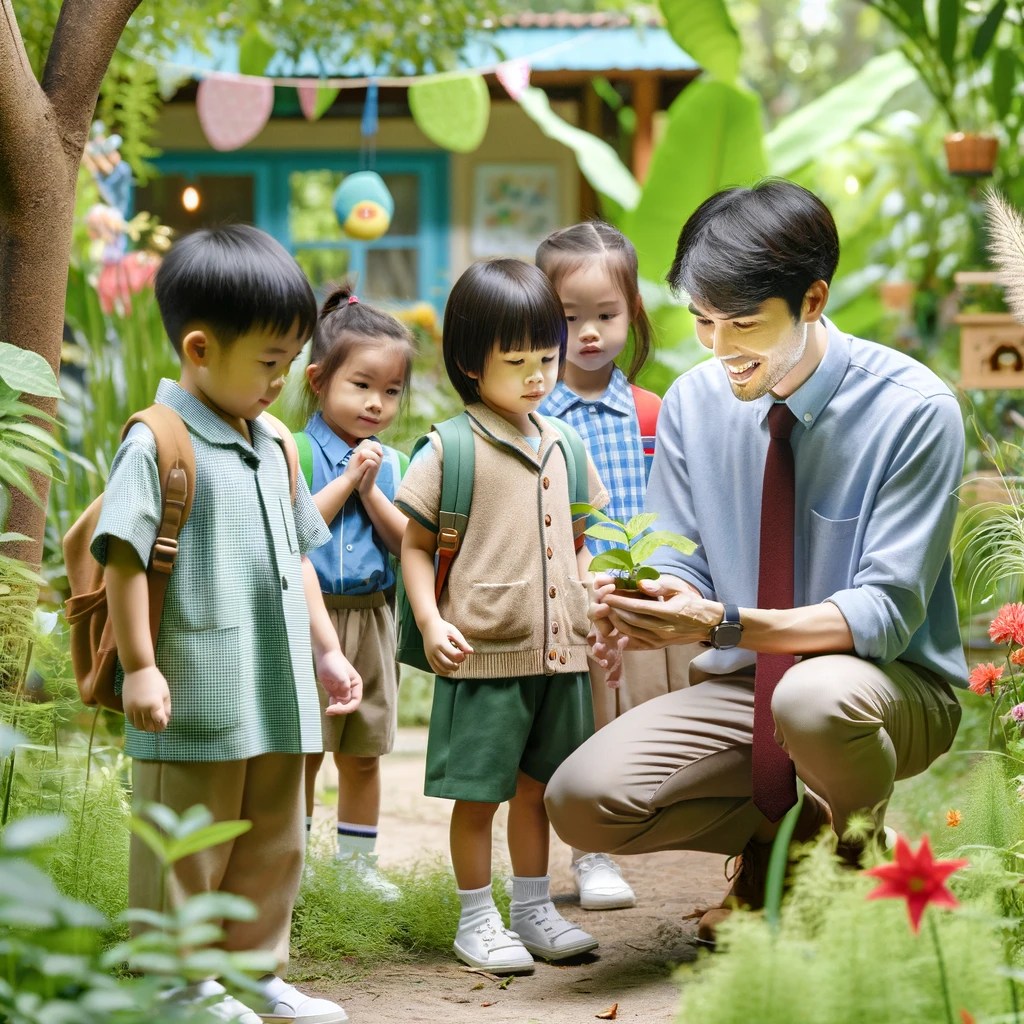
- Nature Walks and Exploration: Regular nature walks can be a great way to introduce children to the natural world. Use these opportunities to teach them about different plants, animals, and ecosystems.
- Outdoor Classrooms: Setting up outdoor classrooms can provide a refreshing change from the traditional indoor setting. Activities like reading, storytelling, and art can be conducted outside.
- Gardening Projects: Involving children in gardening projects can teach them about responsibility, patience, and the lifecycle of plants. It also provides hands-on learning experiences in science and math.
- Nature-Themed Art and Craft: Using natural materials like leaves, flowers, and stones for art projects can stimulate creativity and help children connect with nature.
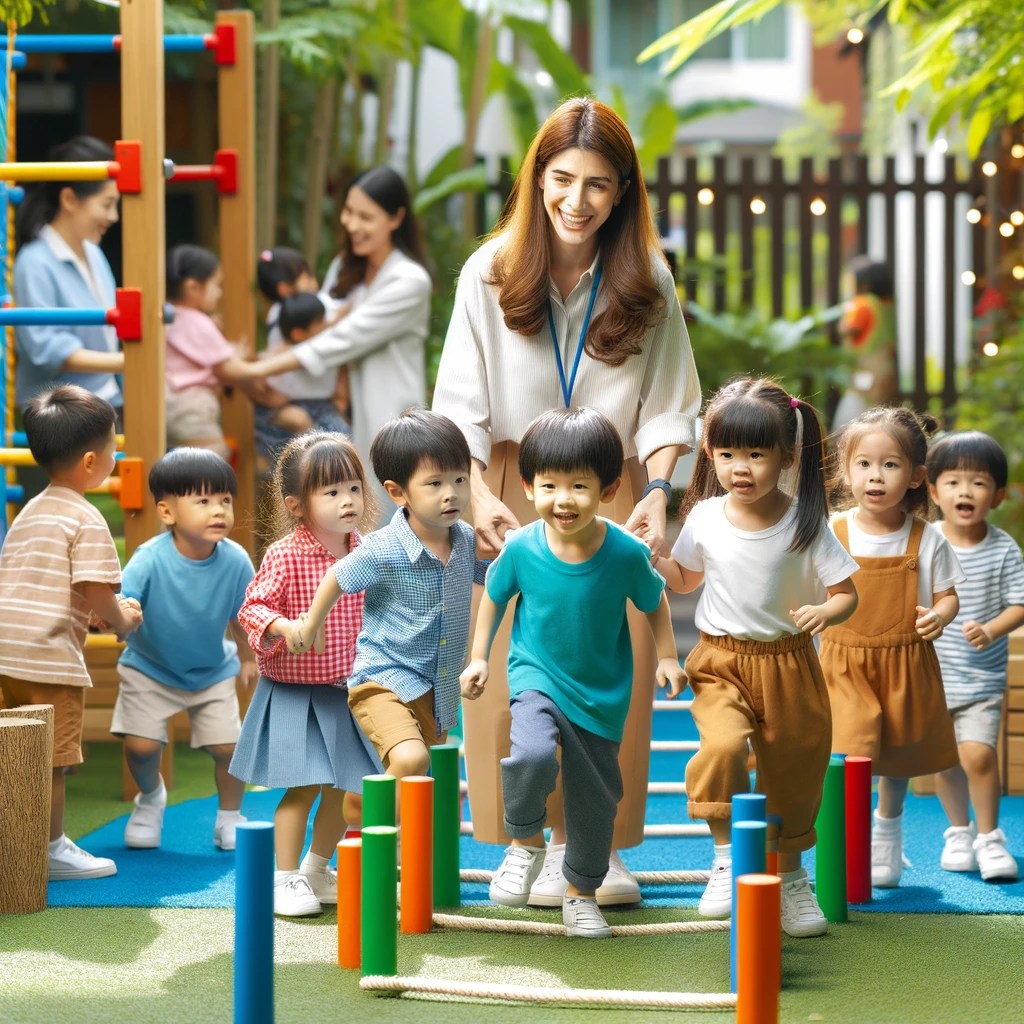
- Outdoor Physical Activities: Organize games and physical activities that encourage movement and coordination. Activities like obstacle courses, treasure hunts, and nature scavenger hunts can be both fun and educational.
Strategies for Implementing Innovative Activities
- Flexible Schedules: Allow for flexibility in the daily schedule to accommodate outdoor activities and unstructured playtime.
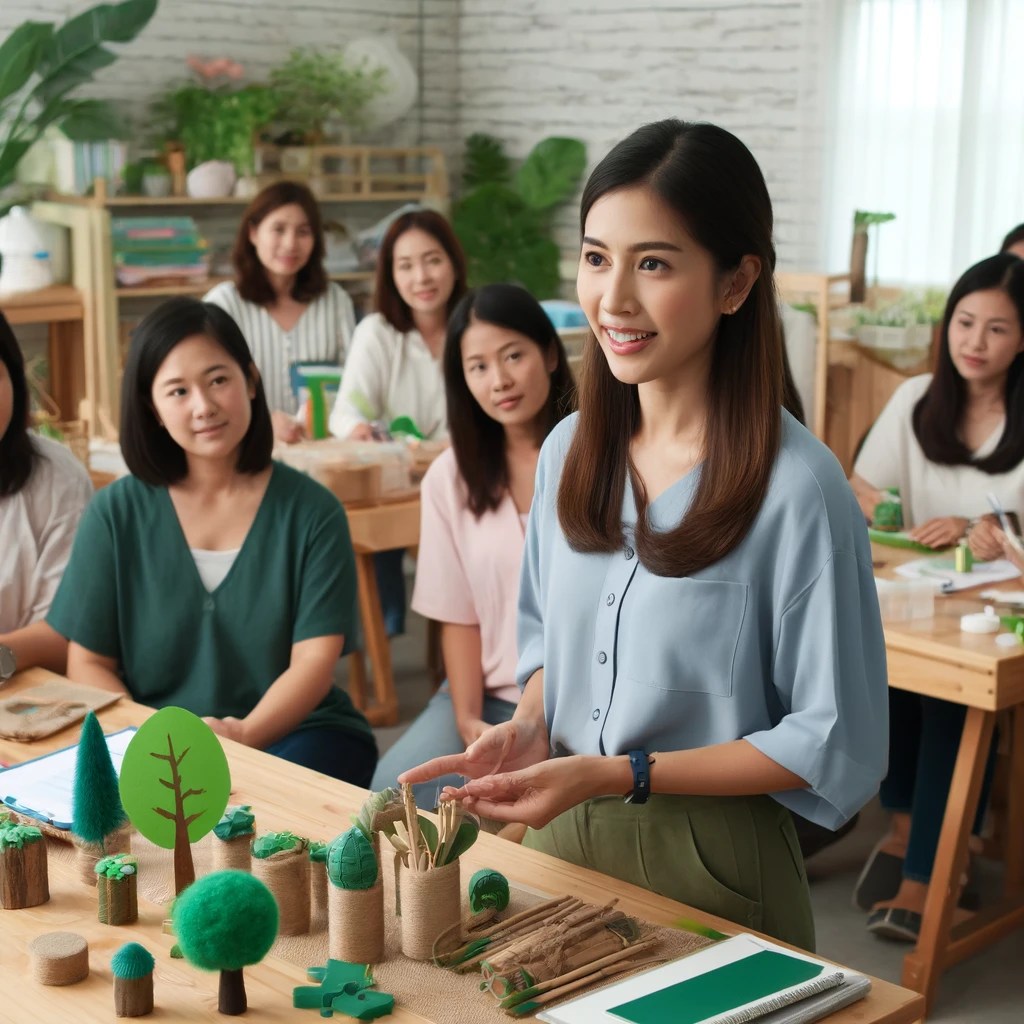
- Teacher Training: Equip teachers with the knowledge and skills to facilitate outdoor and nature-based activities effectively. Professional development workshops can be beneficial.
- Parental Involvement: Engage parents by informing them about the benefits of nature-based activities and encouraging participation in school events.
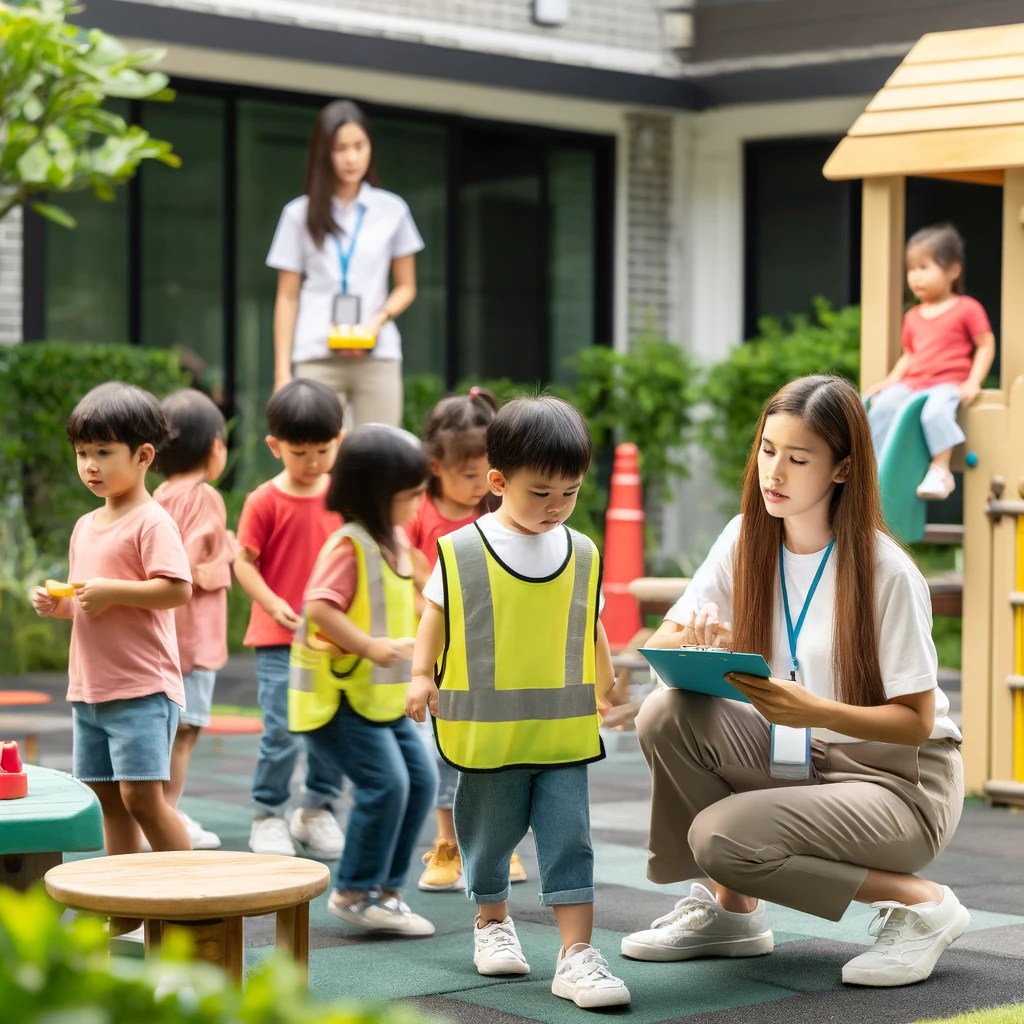
- Safety Considerations: Ensure all outdoor activities are conducted in a safe environment. Regularly inspect play areas and provide appropriate supervision.
Benefits of Incorporating Nature and Innovation in Early Education
- Enhanced Learning Outcomes: Children are more engaged and motivated when learning in a natural setting, leading to better retention and understanding of concepts.
- Improved Physical Health: Increased physical activity promotes better health and reduces the risk of obesity and related issues.
- Emotional Well-being: Nature has a therapeutic effect, helping children manage emotions and develop resilience.
- Social Skills Development: Collaborative outdoor activities foster teamwork, communication, and social interaction.
Conclusion
Effectively managing Kindergarten, UKG, and LKG schools involves more than just academic instruction. By considering the psychological and overall health of children and incorporating nature and innovative activities, educators can create a holistic and enriching learning environment. This approach not only supports cognitive and physical development but also nurtures emotional well-being, preparing children for future academic and life success.


 The Life Navigator