

Part of Research Article by: Dr. Sohel Rana
Anonymous Counseling: If you prefer to discuss your concerns without revealing your identity.
- Purpose: Anonymous counseling allows clients to receive support without revealing their identity, ensuring privacy and confidentiality.
- Need:
- Privacy Concerns: Some individuals may feel uncomfortable discussing their problems openly due to fear of judgment, stigma, or privacy concerns. Anonymous counseling offers a safe space to talk without the fear of being identified.
- Comfort and Security: Knowing that their identity is protected can help clients feel more secure and open in discussing sensitive issues, leading to more effective counseling outcomes.
You may contact us on connect@thelifenavigator.com or bookmypsychologist@gmail.com
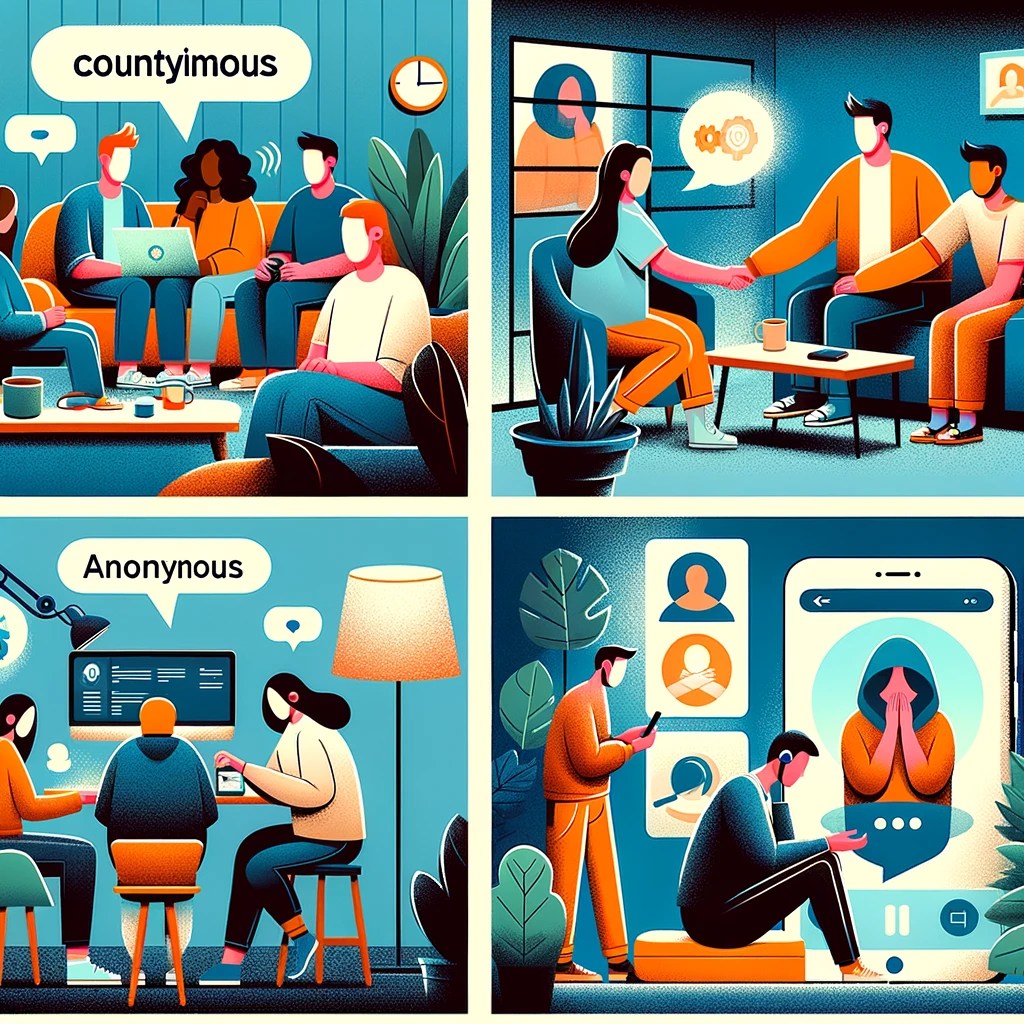
Anonymous counseling can be crucial in various situations where clients might feel uncomfortable or unsafe revealing their identity. Here are some possible cases with examples where anonymous counseling may be needed:
1. Sensitive Personal Issues
- Example: A person struggling with sexual orientation or gender identity might seek anonymous counseling due to fear of discrimination, judgment, or rejection from family and friends.
- Need: Anonymity provides a safe space to explore these issues without the fear of being outed or stigmatized.

2. Mental Health Stigma
- Example: An individual suffering from depression or anxiety may avoid seeking help due to the stigma associated with mental health issues in their community.
- Need: Anonymous counseling allows them to receive support and guidance without the risk of being labeled or judged.
3. Domestic Violence or Abuse
- Example: A person experiencing domestic violence or abuse might fear retaliation if their abuser finds out they are seeking help.
- Need: Anonymity ensures their safety while they receive the necessary support and develop a plan to escape the abusive situation.
4. Addiction and Substance Abuse
- Example: A professional who struggles with substance abuse may worry about their reputation and career if their addiction becomes known.
- Need: Anonymous counseling provides a confidential way to seek help and begin recovery without jeopardizing their career or social standing.
5. Workplace Issues
- Example: An employee facing workplace harassment or bullying might fear losing their job or facing further harassment if they report the issue openly.
- Need: Anonymous counseling offers a discreet way to discuss the problem and explore potential solutions without involving their employer initially.
6. Legal or Ethical Concerns
- Example: A whistleblower who has witnessed illegal or unethical practices at work may need emotional support but fears retribution if their identity is revealed.
- Need: Anonymity allows them to seek support while protecting their identity and safety.
7. Religious or Cultural Constraints
- Example: An individual facing issues that are taboo within their religious or cultural community, such as premarital relationships or divorce, might avoid seeking help openly.
- Need: Anonymous counseling provides a culturally sensitive and non-judgmental space to discuss their issues without fear of cultural or religious backlash.
8. Adolescent Issues
- Example: A teenager dealing with peer pressure, bullying, or academic stress might feel too embarrassed or afraid to seek help from school counselors or parents.
- Need: Anonymous counseling gives them a way to talk about their problems and get advice without involving their immediate social circle.
9. Online Safety Concerns
- Example: An individual who has experienced cyberbullying or online harassment may want to seek help without revealing their real identity due to fear of further harassment.
- Need: Anonymity allows them to discuss their experiences and get support while maintaining their online privacy.
10. Exploring Therapy
- Example: Someone who is new to therapy and unsure about how it works might want to try it out without committing to revealing their identity initially.
- Need: Anonymous counseling helps them ease into the process and become comfortable with seeking help.
Importance of Anonymous Counseling
- Privacy and Safety: It ensures the client’s privacy and safety, especially in situations where revealing their identity could lead to harm.
- Reduced Stigma: It helps reduce the stigma associated with seeking help for mental health issues.
- Comfort and Trust: Clients are more likely to open up and engage in the therapeutic process when they feel safe and not judged.
Benefits of Anonymous Counseling
Increased Accessibility
Anonymous counseling makes mental health support more accessible to those who might otherwise avoid it due to stigma or privacy concerns. It lowers barriers, allowing more people to seek help.
Enhanced Privacy and Confidentiality
Clients can discuss their issues without fear of their identity being revealed. This privacy encourages more open and honest communication, leading to more effective counseling outcomes.
Reduction in Mental Health Stigma
By providing a safe, anonymous space, counseling services help reduce the stigma associated with mental health issues. This can lead to greater acceptance and understanding of mental health in society.
Encouragement for People to Seek Help
Knowing they can remain anonymous can be the deciding factor for many individuals to seek the help they need. Anonymous counseling provides a crucial lifeline for those hesitant to reach out otherwise.


 The Life Navigator