By- Mahesh Gheware
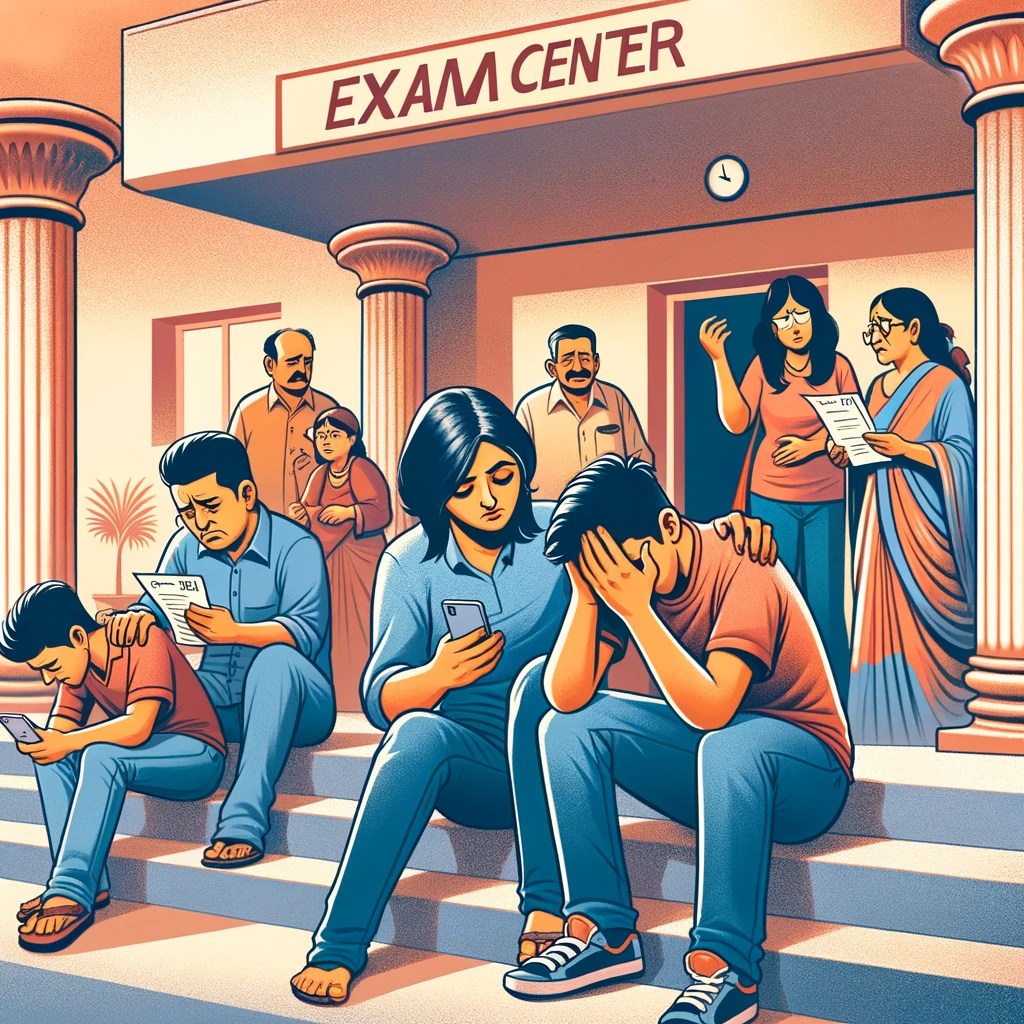
In India, there is a widespread craze among parents to see their children become doctors (MBBS), engineers (IIT), or IAS officers (UPSC). While these careers are prestigious and offer significant opportunities, the intense pressure to succeed in these highly competitive exams is taking a heavy toll on students’ mental health. Many private institutes capitalize on this obsession by charging exorbitant fees for training and coaching, yet the success rate remains low, as it largely depends on the students’ abilities. This pressure can lead to severe psychological issues, including depression and, in some tragic cases, suicide.
The Agony of Students
Recent news reports highlight the distressing reality faced by many students. The intense preparation for these entrance exams often begins at a young age, with students spending countless hours in coaching classes, sacrificing their hobbies and social lives. The overwhelming pressure to meet their parents’ expectations can lead to anxiety, depression, and a sense of worthlessness.
How Parents and Students Should Handle Failure
- Open Communication: Parents should maintain open and supportive communication with their children. Encouraging children to express their feelings and fears can help reduce stress.
- Understanding and Empathy: Parents need to understand that failure in these exams is not the end of the world. Empathizing with their child’s struggle and acknowledging their efforts can provide much-needed emotional support.
- Realistic Expectations: It’s crucial for parents to set realistic expectations. Recognizing that not every student will succeed in these highly competitive exams can help reduce pressure.
- Exploring Alternatives: Encouraging children to explore alternative career paths can open up new opportunities and reduce the feeling of failure. There are many other professions where students can excel and find fulfillment.
Coping with Psychological Problems
- Professional Help: Seeking help from a psychologist or counselor can be beneficial. Professional guidance can help students manage stress and develop coping strategies.
- Mindfulness and Relaxation Techniques: Practices such as meditation, yoga, and deep-breathing exercises can help students manage anxiety and maintain mental well-being.
- Balanced Lifestyle: Encouraging a balanced lifestyle that includes physical activity, hobbies, and social interactions can help students maintain a healthy mind and body.
Dos and Don’ts to Avoid Trauma After Failure
Dos:
- Provide Emotional Support: Be there for your child and offer unconditional support.
- Encourage Positive Thinking: Help your child develop a positive outlook and focus on their strengths.
- Celebrate Efforts, Not Just Success: Appreciate the hard work and effort your child has put in, regardless of the outcome.
Don’ts:
- Avoid Blame and Criticism: Blaming or criticizing your child for not succeeding can lead to further psychological distress.
- Don’t Compare: Avoid comparing your child to others who may have succeeded. Each child is unique and has different strengths.
- Don’t Pressure to Retry Immediately: Give your child time to recover and consider if they truly want to attempt the exam again.
Creating a Supportive Home Environment
- Positive Atmosphere: Foster a positive and encouraging home environment. Celebrate small achievements and progress.
- Focus on Mental Health: Prioritize mental health and well-being over academic achievements.
- Open Future Planning: Discuss and explore various career options with an open mind, emphasizing that success can be achieved in multiple fields.
By adopting these strategies, parents can help their children navigate the challenges of competitive exams with resilience and a healthy mindset. It’s essential to remember that a child’s worth is not determined by their exam results but by their overall well-being and happiness.
For more details, contact at: connect@thelifenavigator.com.
Disclaimer: The content provided here is for informational purposes only and is not a substitute for professional advice.


 The Life Navigator