

By- Shairee Anand Singh, Lucknow
Sleep is crucial for the physical and mental development of children. However, many children struggle with sleep disorders that can impact their well-being and daily functioning. Understanding these disorders and knowing how to address them is vital for parents and educators. This article delves into common sleep disorders in children, their symptoms, and effective strategies for managing them.
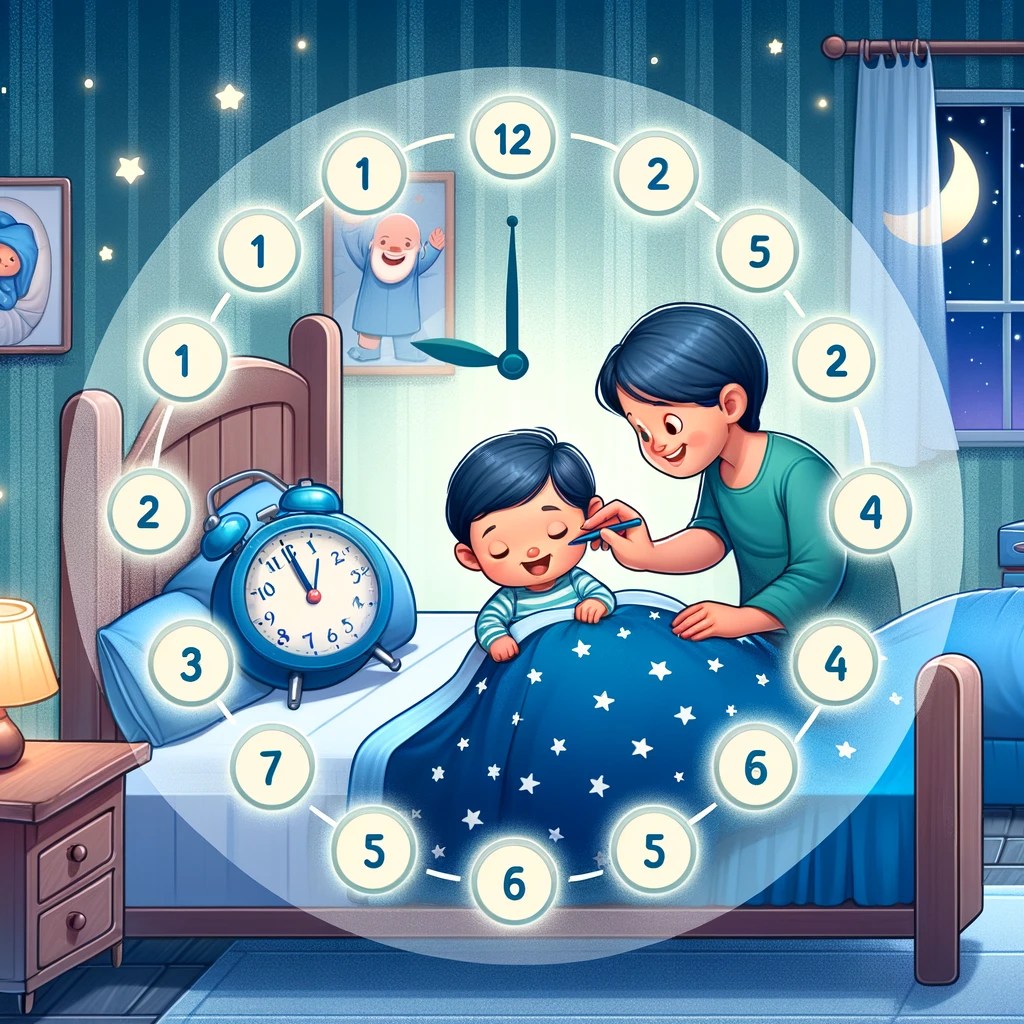
Common Sleep Disorders in Children

- Insomnia: Insomnia in children often manifests as difficulty falling asleep, staying asleep, or waking up too early. Children with insomnia may lie awake for long periods or wake up multiple times during the night.
- Nightmares and Night Terrors: Nightmares are vivid, scary dreams that can cause children to wake up feeling frightened. Night terrors, on the other hand, involve sudden episodes of intense fear, screaming, or thrashing while still asleep, and the child typically doesn’t remember the incident in the morning.
- Sleepwalking: Sleepwalking involves walking or performing other complex behaviors while asleep. It is more common in children than adults and can be dangerous if the child is not protected from harm.
- Sleep Apnea: Sleep apnea is a condition where breathing repeatedly stops and starts during sleep. In children, this can lead to restless sleep, daytime fatigue, and behavioral issues.
- Restless Legs Syndrome (RLS): RLS is a neurological disorder characterized by an uncontrollable urge to move the legs, usually due to uncomfortable sensations. This can disrupt sleep and cause significant distress.
- Bedwetting (Nocturnal Enuresis): Bedwetting is common in young children and typically resolves on its own. However, persistent bedwetting can affect a child’s self-esteem and emotional well-being.

Identifying Sleep Disorders in Children
Parents and educators should look for the following signs that may indicate a sleep disorder:
Difficulty falling asleep: Taking more than 30 minutes to fall asleep.
Frequent night waking’s: Waking up multiple times during the night.
Nightmares or night terrors: Experiencing frequent bad dreams or night terrors.
Daytime sleepiness: Feeling excessively tired or falling asleep during the day.
Difficulty waking up: Struggling to wake up in the morning or taking a long time to become fully awake.
Behavioral issues: Exhibiting irritability, hyperactivity, or difficulty concentrating.
Snoring or breathing difficulties: Loud snoring or pauses in breathing during sleep.
Strategies for Managing Sleep Disorders

Establish a Consistent Sleep Routine: Ensure the child goes to bed and wakes up at the same time every day, even on weekends. A consistent routine helps regulate the body’s internal clock.

Create a Calming Bedtime Environment: Make the bedroom a comfortable and relaxing space. Keep the room cool, dark, and quiet. Avoid stimulating activities or screen time before bed.

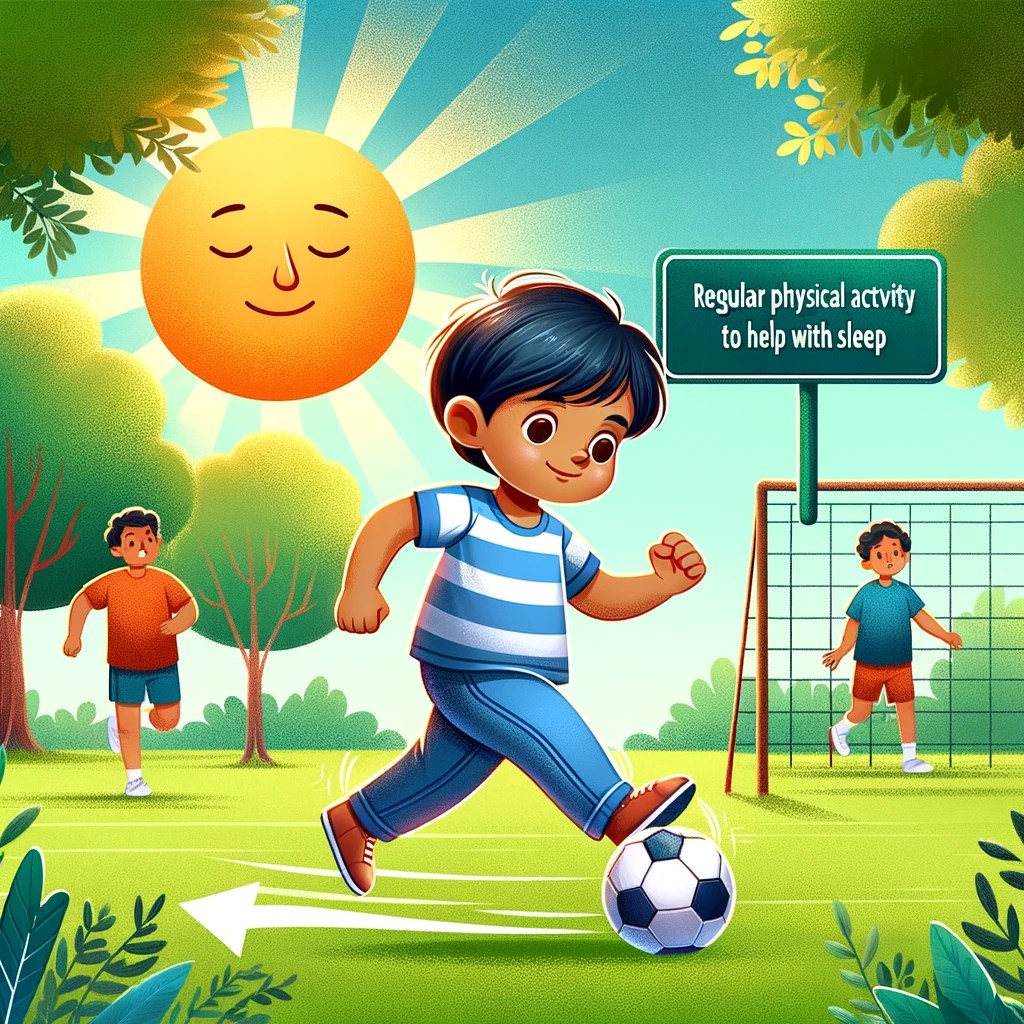
Encourage Physical Activity: Regular physical activity during the day can help children fall asleep more easily at night. However, avoid vigorous exercise close to bedtime.
Limit Caffeine and Sugar Intake: Reduce or eliminate caffeine and sugary foods and drinks, especially in the hours leading up to bedtime.

Address Nightmares and Night Terrors: Provide comfort and reassurance if a child wakes up from a nightmare. For night terrors, gently guide the child back to bed without waking them fully.

Monitor Sleep Patterns: Keep a sleep diary to track the child’s sleep patterns and behaviors. This can help identify triggers and patterns that contribute to sleep problems.

Seek Professional Help: If sleep problems persist or significantly impact the child’s daily life, consult a pediatrician or a sleep specialist. They can provide a thorough evaluation and recommend appropriate treatments or therapies.

Sleep disorders in children are not uncommon and can have a profound impact on their overall health and well-being. By recognizing the signs of sleep disorders and implementing effective strategies, parents and educators can help children achieve better sleep and improve their quality of life.

Addressing sleep issues early on is essential for fostering healthy development and ensuring children can thrive both academically and socially.



 The Life Navigator