
By: Ruby R
Patent Filed for AI-Driven Facial Expression Recognition System for Early Diagnosis of Psychiatric Disorders
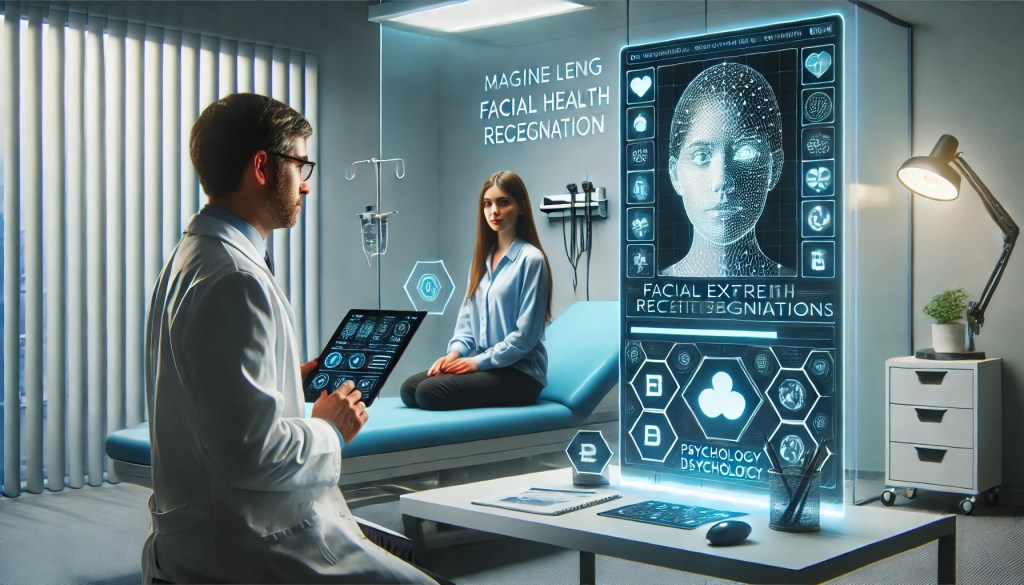
In a promising development for mental health diagnostics, a new patent application reveals a cutting-edge Machine Learning-Based Facial Expression Recognition (FER) System aimed at transforming the early detection and management of psychiatric disorders. The innovative technology, designed by inventors Dr. Sohel Rana and Mrs. Ayesha , utilizes advanced neural networks and machine learning techniques to analyze facial expressions for signs of psychiatric conditions.
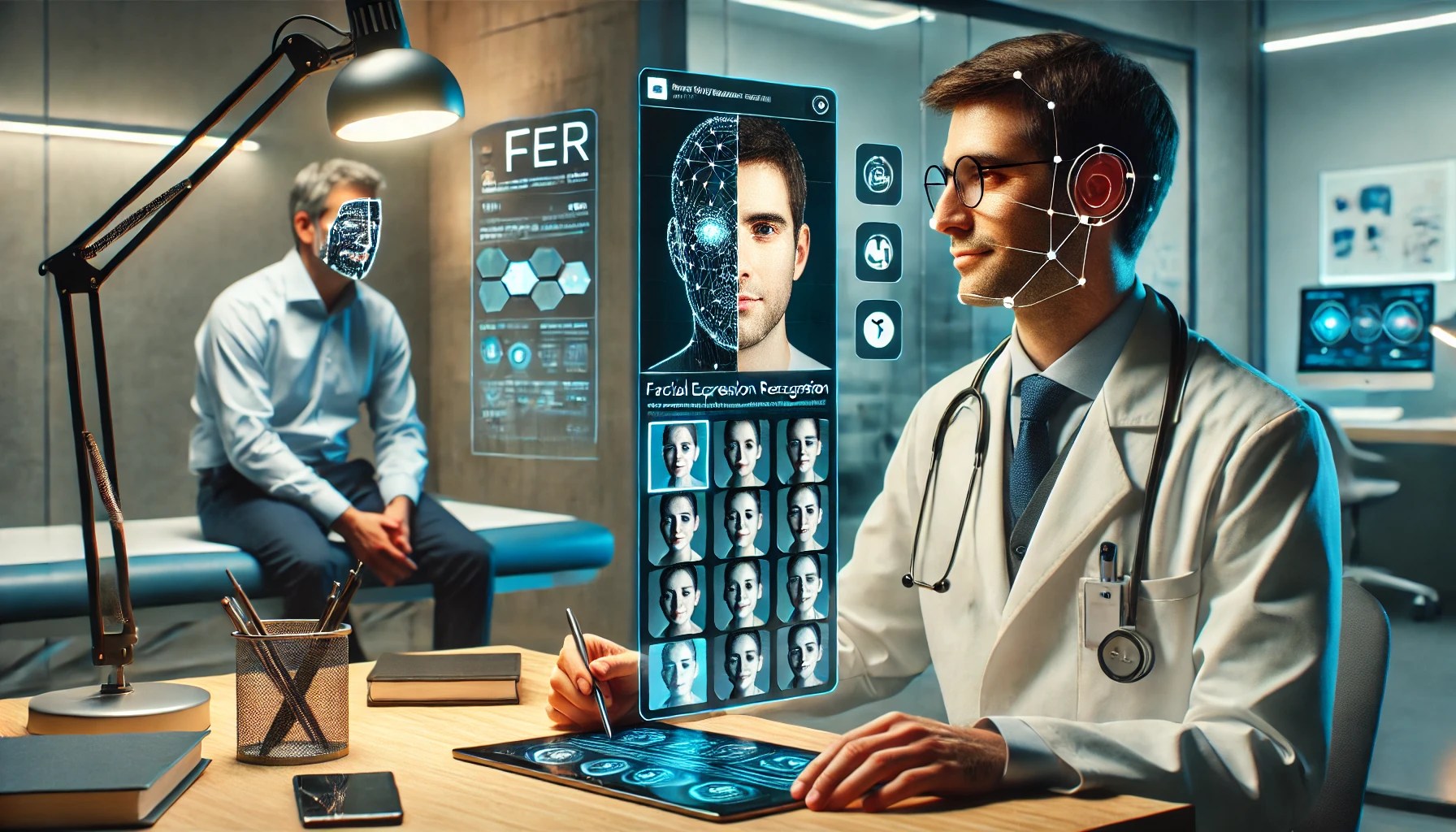
The integration of engineering and psychology is proving to be a transformative approach in healthcare, particularly in the realm of mental health diagnostics. This interdisciplinary fusion leverages technological advancements to enhance our understanding and treatment of psychological conditions, providing more accurate, efficient, and personalized care. The recent patent filing for a Machine Learning-Based Facial Expression Recognition (FER) System exemplifies this synergy, offering groundbreaking potential to improve psychiatric care.
Unique Points of the Machine Learning-Based FER System:
- Non-Invasive Diagnostic Method:
- The system uses video feeds to analyze facial expressions, offering a non-invasive alternative to traditional diagnostic methods that often require extensive psychological testing or interviews.
- Real-Time Analysis and Alerts:
- By processing facial expressions in real-time, the system provides immediate feedback and alerts to healthcare providers, enabling swift intervention, especially in cases of violent psychiatric conditions.
- Continuous Learning and Adaptation:
- The neural networks employed in this system continuously learn from new data, improving their diagnostic accuracy and adapting to diverse patient populations over time.
- Early Detection of Psychiatric Disorders:
- The technology can identify subtle changes in facial expressions that may indicate early signs of psychiatric disorders, facilitating early intervention and potentially preventing the progression of these conditions.
- Personalized Treatment Plans:
- The system’s ability to provide detailed diagnostic insights allows for the creation of personalized treatment plans tailored to the specific needs of each patient, enhancing the effectiveness of therapeutic interventions.
- Reduction of Healthcare Burden:
- By automating the diagnostic process, the system reduces the workload on healthcare providers, allowing them to focus more on patient care and less on time-consuming diagnostic procedures.
- Integration with Existing Healthcare Systems:
- The FER system can be seamlessly integrated into existing healthcare infrastructures, providing a complementary tool that enhances current diagnostic practices without requiring significant changes to established protocols.
- Comprehensive Data Collection and Analysis:
- The system captures and processes a vast array of facial expression data, offering a rich source of information for further research and development in psychiatric care.
- Ethical Considerations and Patient Privacy:
- The developers have prioritized ethical considerations, ensuring that the system adheres to stringent data privacy regulations and safeguards patient confidentiality.
- Enhanced Patient Engagement:
- By providing clear, visual diagnostic feedback, the system helps engage patients in their own care, promoting better understanding and compliance with treatment plans.
Impact on Society:
The Machine Learning-Based FER System promises significant benefits for society by improving the early detection and management of psychiatric disorders. The integration of engineering and psychology in this technology highlights the power of interdisciplinary collaboration in addressing complex healthcare challenges. Key societal benefits include:
- Improved Mental Health Outcomes:
- Early and accurate diagnosis of psychiatric conditions leads to better treatment outcomes, reducing the long-term impact of mental health disorders on individuals and their families.
- Increased Accessibility to Care:
- The non-invasive and automated nature of the system makes psychiatric diagnostics more accessible, potentially reaching underserved populations and reducing barriers to mental health care.
- Reduction in Stigmatization:
- By providing objective, data-driven diagnostic tools, the system helps reduce the stigma associated with mental health disorders, encouraging more individuals to seek help.
- Support for Healthcare Providers:
- The system aids healthcare providers by offering reliable diagnostic support, enhancing their ability to deliver high-quality care and improving overall job satisfaction.
- Economic Benefits:
- Early intervention and effective treatment can reduce the economic burden of mental health disorders on society, decreasing healthcare costs and improving productivity
The system, detailed in the patent filed on June 24, 2024, and published in the Indian Patent Office on July 5, 2024, focuses on non-invasive methods to detect subtle facial movements often indicative of underlying psychiatric disorders. Such movements, captured through high-resolution video feeds, are processed using sophisticated algorithms to diagnose conditions like depression, anxiety, schizophrenia, and bipolar disorder in their early stages.
What sets this invention apart is its reliance on neural networks, which not only interpret facial cues but also learn and adapt over time, improving their diagnostic accuracy. This capacity for learning ensures the system evolves continually, enhancing its effectiveness with each application.
The technology’s primary advantage lies in its potential to provide early intervention and personalized treatment plans. By enabling accurate and timely diagnoses, it reduces the burden on healthcare systems and improves patient outcomes. The FER system’s ability to operate in real-time, classifying expressions and alerting healthcare providers immediately, makes it an invaluable tool in clinical settings.
Moreover, the invention includes an integrated alert system designed to detect expressions related to violent psychiatric conditions, providing immediate warnings to facilitate rapid response by medical personnel.
The inventors have applied for six claims under this patent, encompassing methods and apparatus for facial expression recognition, machine learning model development, and real-time diagnostic outputs. This comprehensive approach aims not only to improve diagnostic practices but also to foster early intervention strategies, potentially redefining psychiatric care for individuals worldwide.
As this patent progresses through the examination phase, its implications for the integration of education, psychology, and scientific engineering are vast. The Machine Learning-Based FER System for Detecting Psychiatric Disorders represents a significant stride toward merging these fields to serve humanity, particularly those suffering from mental health issues, with cutting-edge, compassionate technology.


 The Life Navigator