
By- Irfan Ahmed
The landscape of education is rapidly evolving, with online learning playing a pivotal role in shaping the future of how we learn and teach. Here are ten key trends and innovations driving the future of online education, along with examples illustrating each point.
1. Personalized Learning Paths
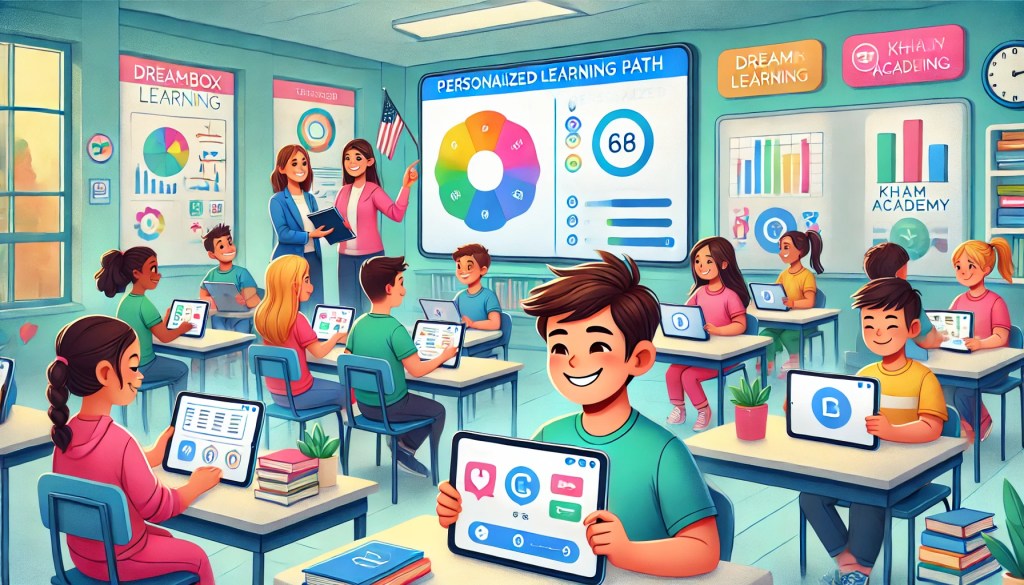
Personalized learning uses technology to tailor educational experiences to individual students’ needs and preferences. By analyzing data on student performance and learning styles, educational platforms can create customized learning paths. Example: Platforms like DreamBox Learning and Khan Academy adjust their content dynamically to fit each student’s pace and level of understanding, providing personalized feedback and resources.
2. Artificial Intelligence (AI) and Machine Learning
AI and machine learning are revolutionizing online education by automating administrative tasks, providing intelligent tutoring systems, and enhancing student engagement through adaptive learning technologies. Example: Coursera uses AI to offer personalized course recommendations and to provide automated grading for large-scale courses, ensuring timely feedback for students.

3. Gamification and Game-Based Learning
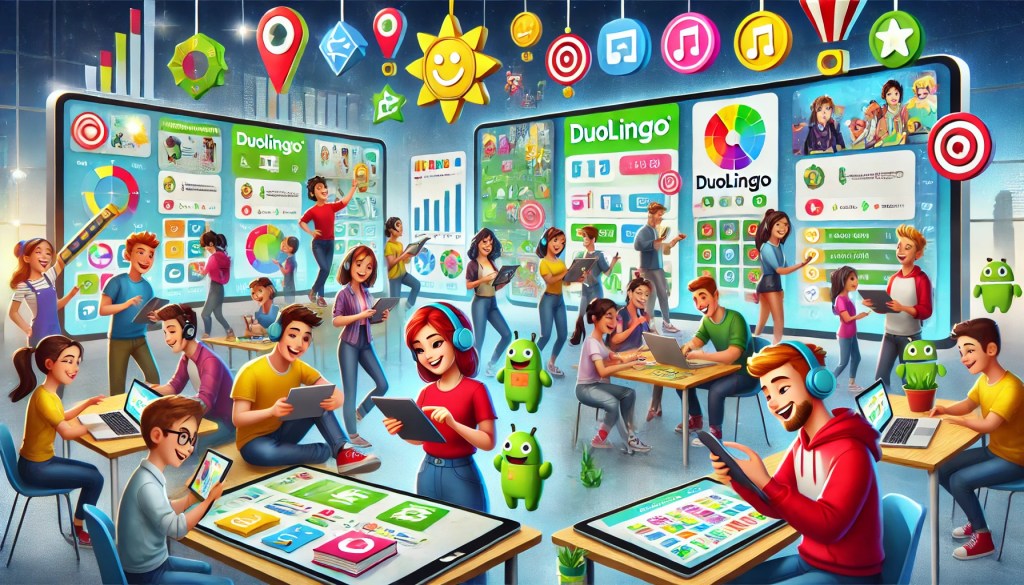
Gamification incorporates game elements into educational activities to increase engagement and motivation. Game-based learning uses actual games to teach specific skills and concepts. Example: Duolingo employs gamification strategies like points, badges, and leaderboards to make language learning fun and engaging, significantly increasing user retention and success rates.
4. Virtual Reality (VR) and Augmented Reality (AR)
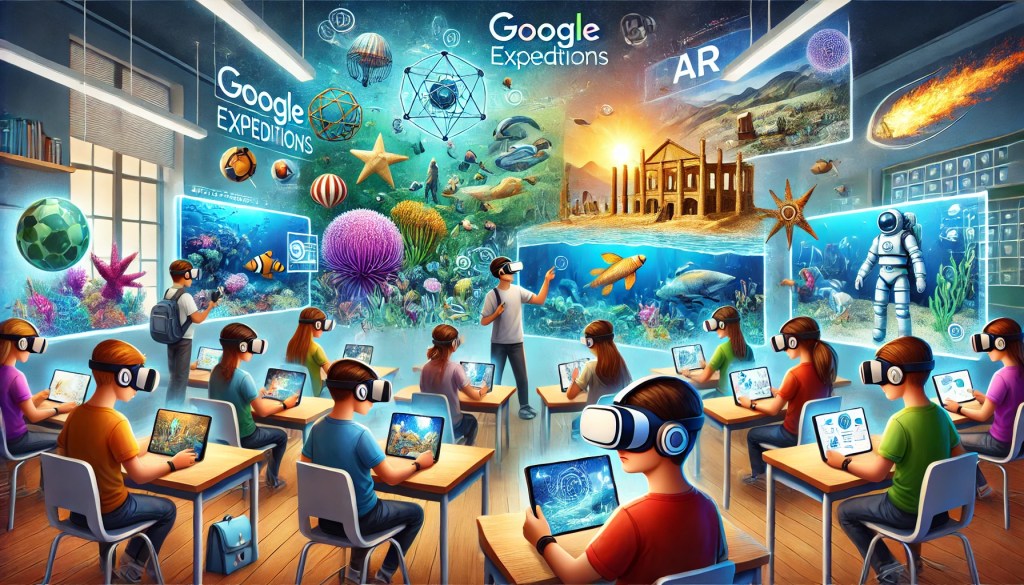
VR and AR create immersive learning experiences that can transport students to different environments and times, making learning more interactive and memorable. Example: Google Expeditions allows students to take virtual field trips to ancient civilizations, underwater ecosystems, and even outer space, providing an immersive educational experience that traditional textbooks cannot match.
5. Microlearning
Microlearning involves delivering content in small, manageable chunks, often in the form of short videos, quizzes, or interactive modules, making it easier for students to fit learning into their busy schedules. Example: LinkedIn Learning offers micro-courses that professionals can complete during short breaks, enabling continuous skill development without overwhelming their schedules.

6. Collaborative Learning Platforms
These platforms facilitate peer-to-peer interaction and collaboration through forums, group projects, and real-time communication tools, enhancing the social aspect of learning. Example: Slack and Microsoft Teams are increasingly used in educational settings to facilitate group work and communication among students and between students and instructors.

7. Blockchain for Credentialing and Verification
Blockchain technology ensures the security and verifiability of academic credentials, making it easier for institutions and employers to authenticate students’ achievements. Example: The University of Nicosia uses blockchain to issue digital diplomas, allowing graduates to easily share verified credentials with potential employers and other institutions.

8. Mobile Learning
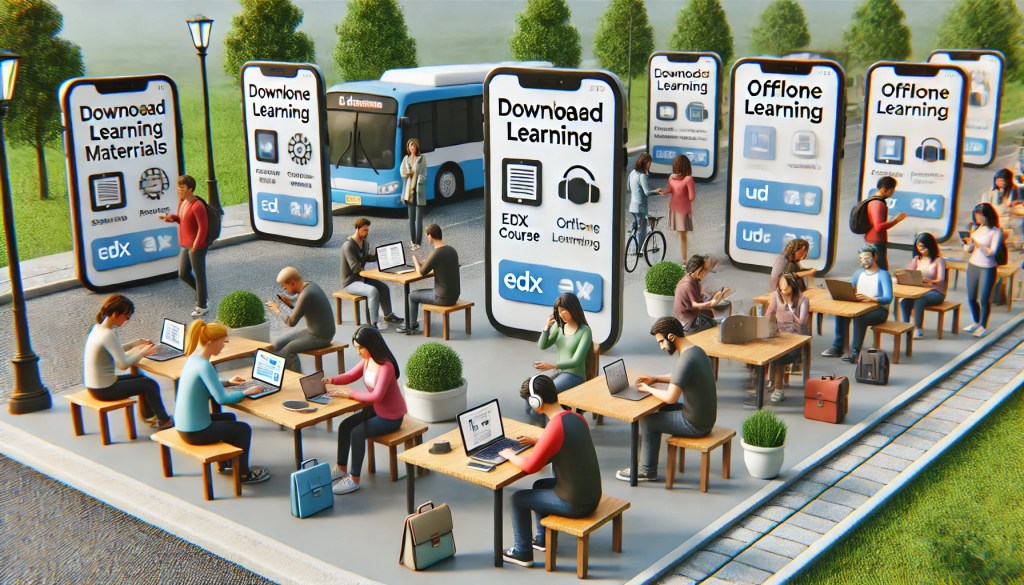
With the proliferation of smartphones and tablets, mobile learning allows students to access educational content anytime, anywhere, making education more flexible and accessible. Example: Platforms like edX and Udemy offer mobile apps that enable students to download course materials and continue learning offline, accommodating learners in areas with limited internet access.
9. Social Learning Networks
Social learning networks leverage social media tools to create communities where students can share resources, discuss topics, and collaborate on projects. Example: Edmodo provides a social learning platform where teachers and students can connect, share content, and engage in discussions, fostering a sense of community and collaboration.

10. Lifelong Learning and Continuing Education
Online education supports lifelong learning by providing opportunities for continuous skill development and career advancement, catering to professionals looking to stay competitive in their fields. Example: Coursera and Udacity offer nanodegree programs and professional certificates in high-demand fields like data science and artificial intelligence, enabling professionals to acquire new skills and advance their careers without returning to traditional schooling.

Conclusion
The future of online education is bright, driven by technological advancements and innovative approaches that make learning more personalized, interactive, and accessible. As these trends continue to evolve, they promise to transform education, providing new opportunities and pathways for learners of all ages. Embracing these innovations will be key to addressing the diverse needs of students and preparing them for the challenges of the future.


 The Life Navigator