
By- Dr. Sohel Rana
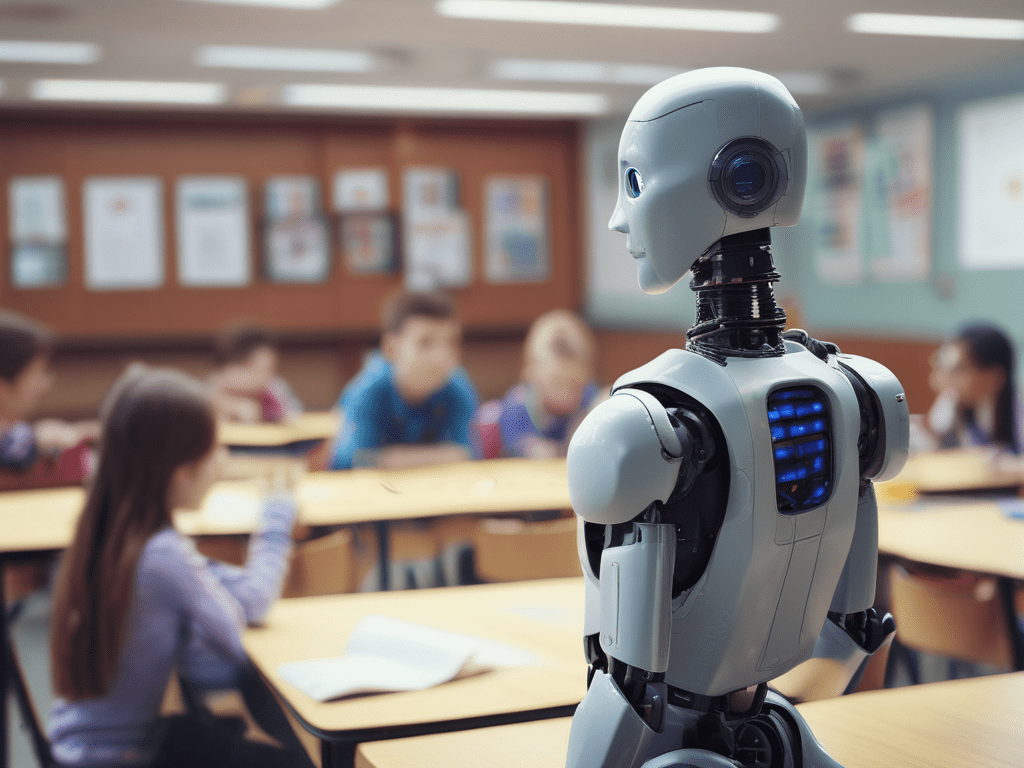
As technology continues to evolve at a rapid pace, the question of whether robots can replace teachers in the education system has become a topic of significant debate. The potential for robots to transform education is vast, but whether they can fully replace human teachers is a complex issue that warrants thorough examination.
The Promise of Educational Robots
Robots and artificial intelligence (AI) have already made significant inroads into various aspects of education. From personalized learning platforms to automated grading systems, technology is helping to make education more efficient and accessible. Robots, equipped with AI, can offer several advantages:
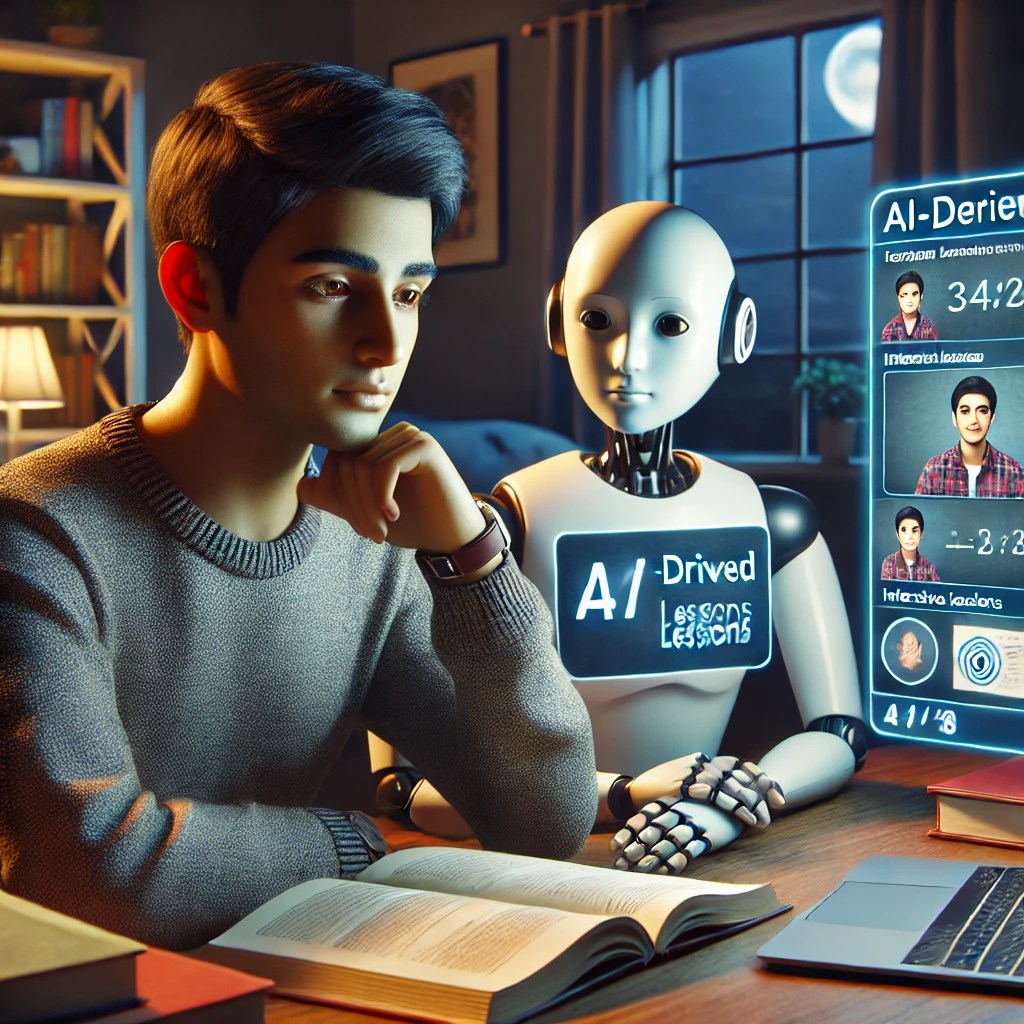
- Personalized Learning: AI-driven robots can tailor educational content to meet the individual needs of each student. They can analyze a student’s learning style, pace, and preferences to provide customized lessons, which can help students grasp difficult concepts more effectively.
- Consistency and Availability: Unlike human teachers, robots can work tirelessly without breaks, ensuring that educational support is available 24/7. This is particularly beneficial for students in different time zones or those who need help outside regular school hours.
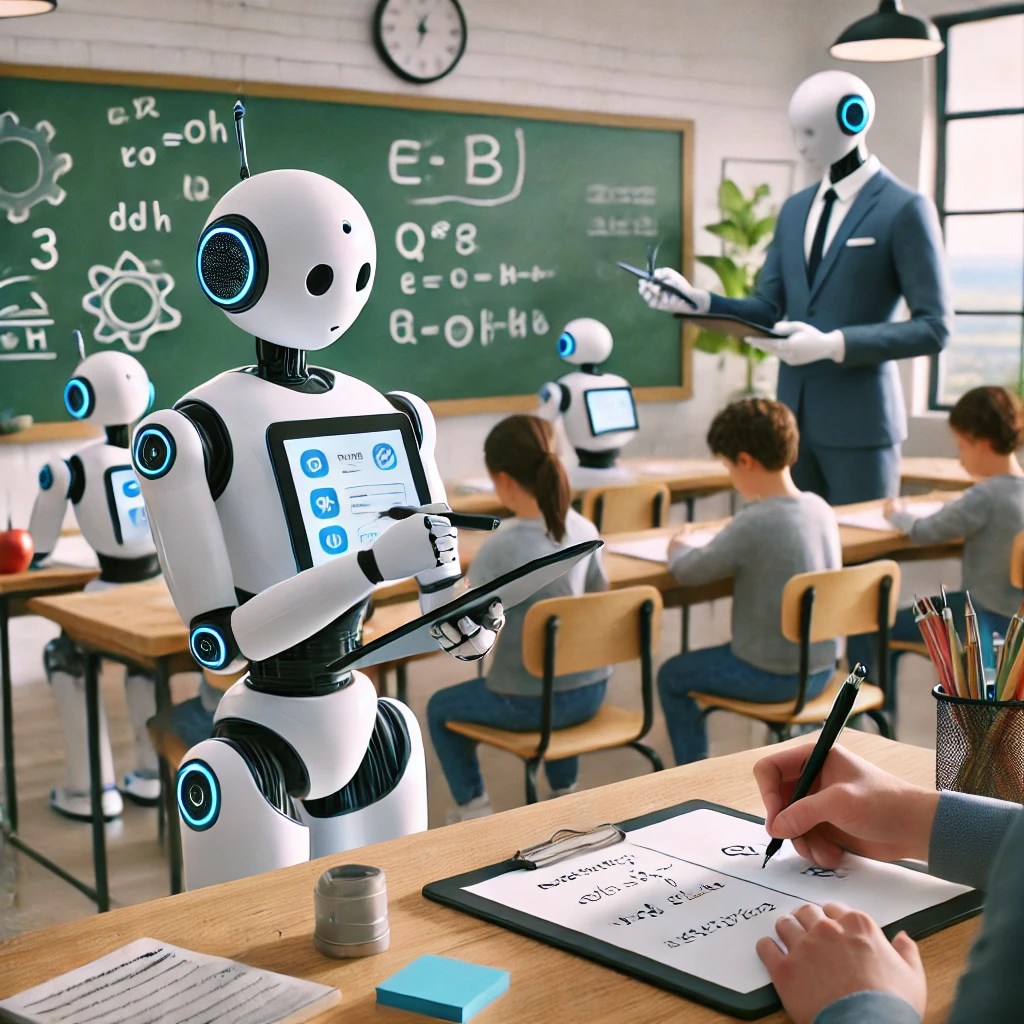
- Handling Repetitive Tasks: Robots can take over repetitive administrative tasks, such as attendance tracking, grading, and scheduling. This allows human teachers to focus more on creative and engaging teaching methods, enhancing the overall educational experience.
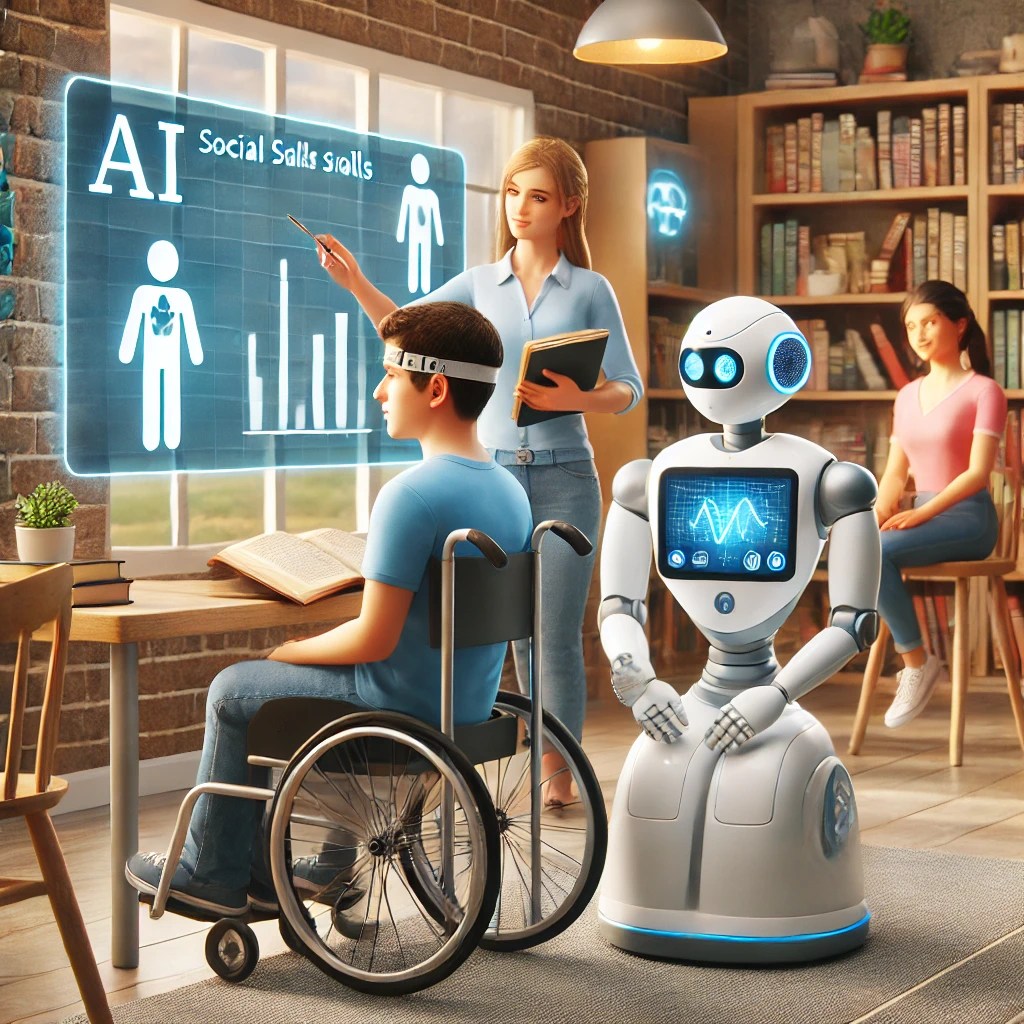
- Accessibility: For students with special needs, robots can provide additional support. For example, they can assist visually impaired students with reading or help students with autism develop social skills through interactive lessons.
The Limitations of Robots in Education
Despite these advantages, there are significant limitations to the role robots can play in education. Human teachers provide more than just knowledge; they offer mentorship, emotional support, and inspiration, which are critical components of effective teaching. Here are some key areas where robots fall short:
- Emotional Intelligence: Teaching is not just about imparting knowledge; it’s also about understanding and responding to students’ emotional needs. Human teachers can provide empathy, encouragement, and motivation, which are essential for fostering a positive learning environment. Robots, despite their advanced AI, lack genuine emotional intelligence.
- Critical Thinking and Creativity: Human teachers encourage students to think critically, ask questions, and develop their own ideas. They can adapt their teaching methods on the fly based on classroom dynamics and individual student responses. Robots, programmed with predefined algorithms, struggle to replicate this level of adaptability and creativity.
- Social Interaction: Schools are not just places for academic learning; they are also crucial for social development. Interactions with teachers and peers help students develop communication skills, teamwork, and empathy. Robots, by their nature, cannot provide the same social experiences and opportunities for interpersonal growth.
- Ethical and Moral Guidance: Teachers often serve as role models, imparting ethical and moral values. They help students navigate complex social situations and develop a sense of right and wrong. Robots lack the human experience and cultural context necessary to provide this type of guidance.
The Future of Robots in Education
While robots may never fully replace human teachers, they can certainly augment and enhance the educational experience. The future likely holds a hybrid model, where robots and AI tools support human teachers in delivering a more personalized, efficient, and engaging education. In this model:
- Human teachers would focus on mentoring, emotional support, critical thinking, and social development.
- Robots and AI would handle administrative tasks, provide personalized learning experiences, and offer additional support to students with special needs.
Summary: Can Robots Replace Teachers in the Education System?
Personalized Learning:
Example: AI-driven robots can create customized lesson plans based on each student’s learning style and pace.
Can Robots Do It?: Yes, robots can personalize learning effectively.

Consistency and Availability:
Example: Robots can provide educational support 24/7, helping students from different time zones or those needing help outside school hours.
Can Robots Do It?: Yes, robots can offer consistent and round-the-clock availability.
Handling Repetitive Tasks:
Example: Robots can manage tasks like grading and attendance, freeing up teachers to focus on more creative teaching methods.
Can Robots Do It?: Yes, robots can efficiently handle repetitive administrative tasks.
Accessibility:
Example: Robots can assist visually impaired students with reading or help students with autism develop social skills through interactive lessons.
Can Robots Do It?: Yes, robots can provide additional support to students with special needs.
Emotional Intelligence:
Example: Human teachers offer empathy and encouragement, which robots, despite advanced AI, cannot genuinely provide.
Can Robots Do It?: No, robots lack genuine emotional intelligence.
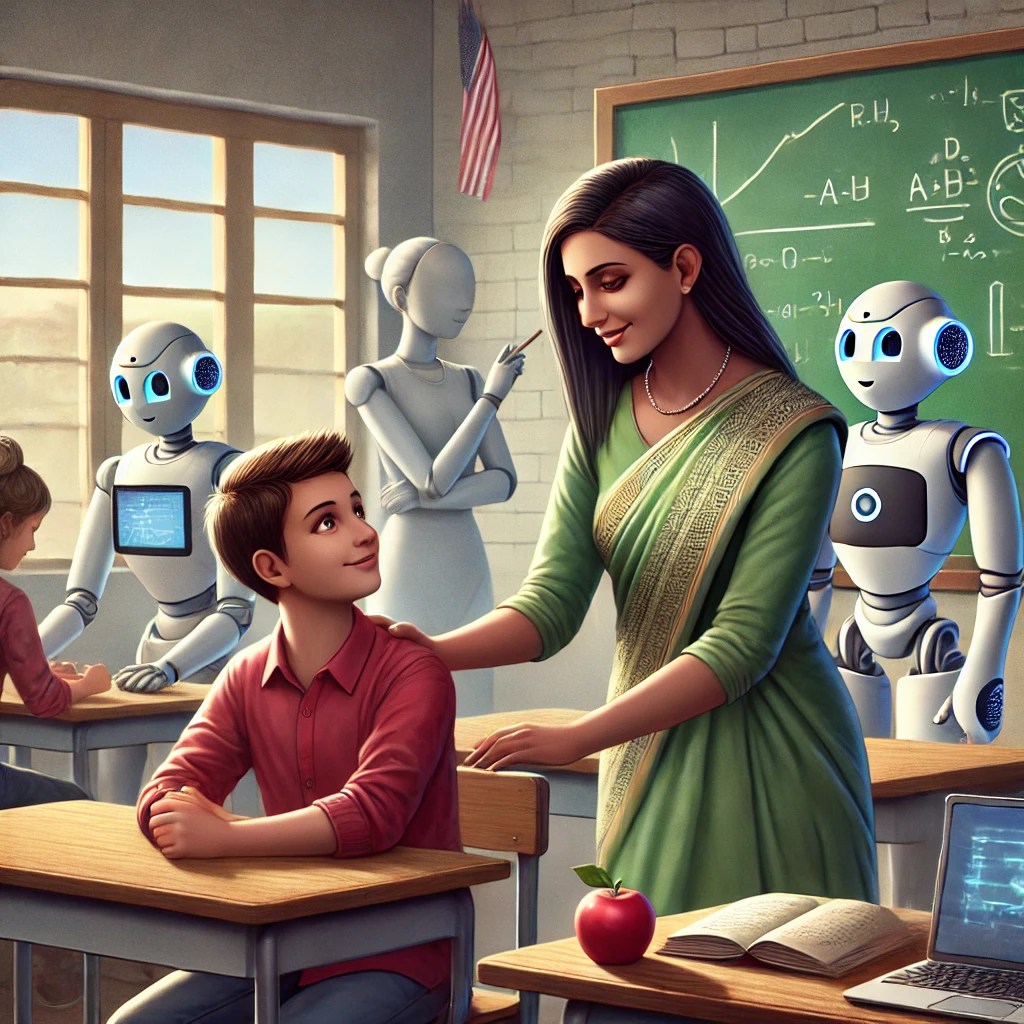
Critical Thinking and Creativity:
Example: Human teachers adapt teaching methods based on classroom dynamics and student responses, fostering critical thinking.
Can Robots Do It?: No, robots struggle to adapt and encourage critical thinking and creativity in dynamic ways.

Social Interaction:
Example: Classroom interactions with teachers and peers develop communication skills and teamwork, which robots cannot replicate.
Can Robots Do It?: No, robots cannot facilitate the same level of social interaction and development.
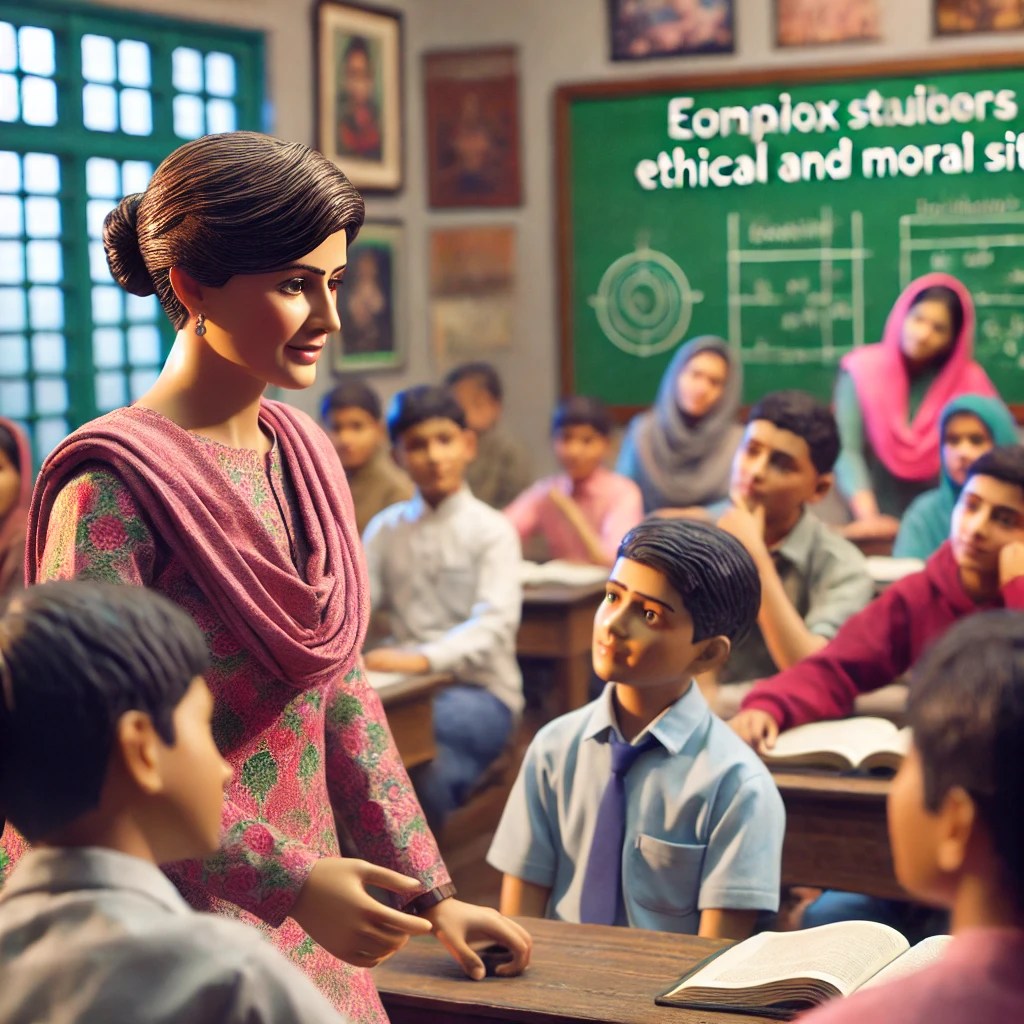
Ethical and Moral Guidance:
Example: Teachers impart ethical and moral values, guiding students through complex social situations—a role robots cannot fulfill.
Can Robots Do It?: No, robots cannot provide ethical and moral guidance effectively.

Hybrid Model:
Example: Combining human teachers’ mentorship with robots’ administrative support can enhance education quality.
Can Robots Do It?: Partially, robots can support administrative tasks but not replace human mentorship.
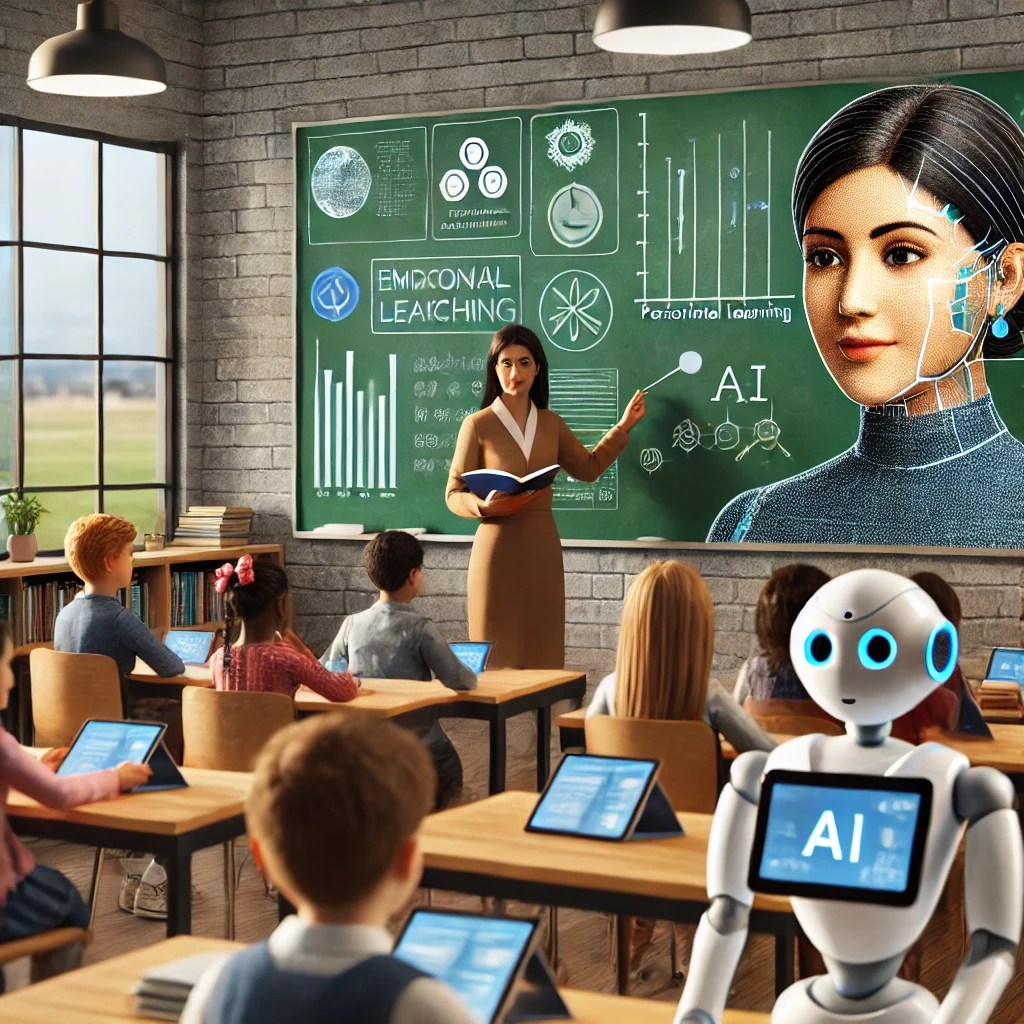
Enhanced Educational Experience:
Example: AI tools can provide personalized learning while human teachers focus on emotional support and critical thinking, creating a balanced and effective learning environment.
Can Robots Do It?: Partially, robots can enhance learning but not replace the essential human elements of teaching.

In conclusion, while robots hold great promise for transforming certain aspects of education, they are unlikely to replace human teachers entirely. The unique qualities that human teachers bring to the classroom—empathy, creativity, social interaction, and ethical guidance—are irreplaceable. Instead, the integration of robots into the education system should be viewed as an opportunity to enhance the educational experience, making it more personalized and efficient, while preserving the essential human elements of teaching.


 The Life Navigator