

By: Ayesha Rana
In the digital age, social media has become an integral part of daily life for billions of people worldwide. Platforms like Facebook, Instagram, Twitter, and TikTok offer unprecedented ways to connect, share, and communicate. However, as social media becomes increasingly pervasive, its impact on mental health has sparked considerable debate among psychologists, researchers, and the general public. This article explores both the benefits and detriments of social media on mental well-being, providing a balanced perspective on this complex issue.
Benefits of Social Media on Mental Health
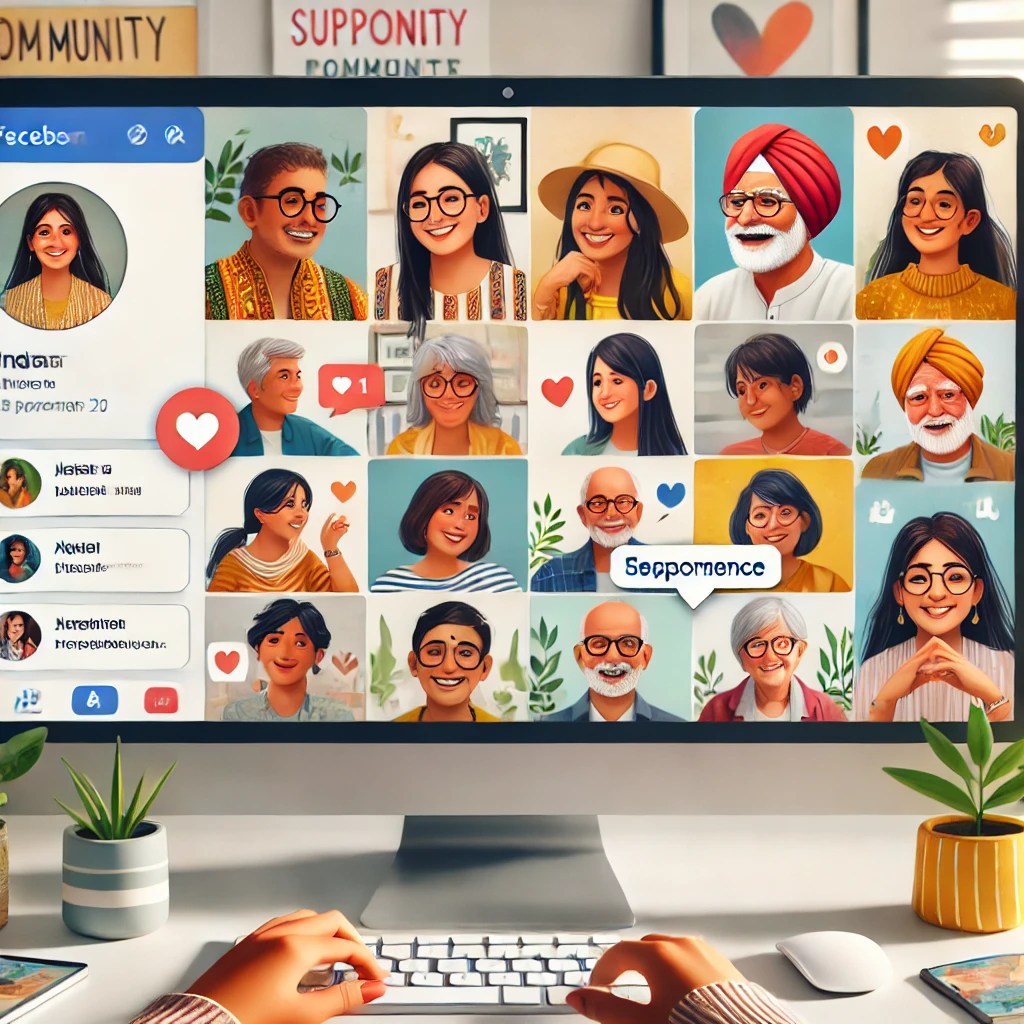
- Connection and Community Building
One of the most significant benefits of social media is its ability to connect individuals across geographical boundaries. For people who feel isolated or lonely, social media can provide a sense of community and belonging. It allows users to find and interact with others who share similar interests, hobbies, or life experiences, which can be especially beneficial for those with rare conditions or niche interests. These online communities often offer support, understanding, and empathy, which can be vital for mental well-being.
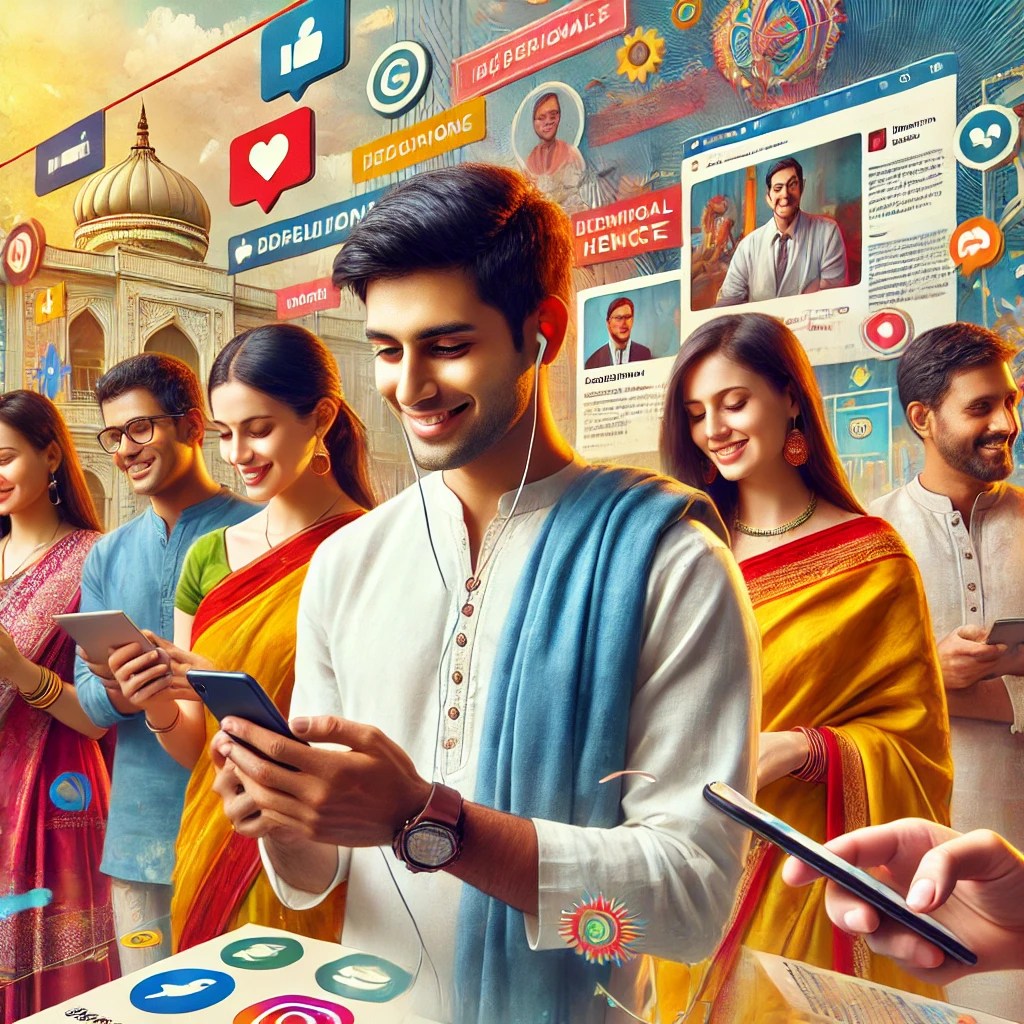
- Mental Health Awareness and Support
Social media has played a crucial role in destigmatizing mental health issues. Platforms are now rich with content that educates users about mental health, offering information on various conditions, coping strategies, and treatment options. Influencers and advocates use their platforms to share personal stories, which can resonate with others experiencing similar struggles. This increased awareness and visibility can encourage individuals to seek help and reduce the shame associated with mental health challenges.
- Access to Resources and Professional Help
Through social media, users can easily access resources related to mental health, including online therapy services, self-help tools, and educational content. Many mental health professionals and organizations maintain a presence on social media, offering advice, answering questions, and providing referrals. This ease of access can be particularly beneficial in regions where mental health services are scarce or stigmatized.
Detriments of Social Media on Mental Health
- Comparison and Self-Esteem Issues
Despite its benefits, social media can negatively impact self-esteem and body image. Platforms that prioritize visual content, like Instagram, often showcase idealized versions of life that may not reflect reality. Users, particularly adolescents, may compare themselves to these curated images, leading to feelings of inadequacy, jealousy, and low self-esteem. The constant exposure to unrealistic standards of beauty and success can foster a sense of dissatisfaction and lower self-worth.
- Cyberbullying and Harassment
The anonymity and distance provided by social media can sometimes lead to negative interactions, including cyberbullying and harassment. Victims of online bullying may experience anxiety, depression, and even suicidal thoughts. The pervasive nature of social media means that harmful messages and images can spread quickly and be difficult to escape, exacerbating the emotional toll on the affected individuals.
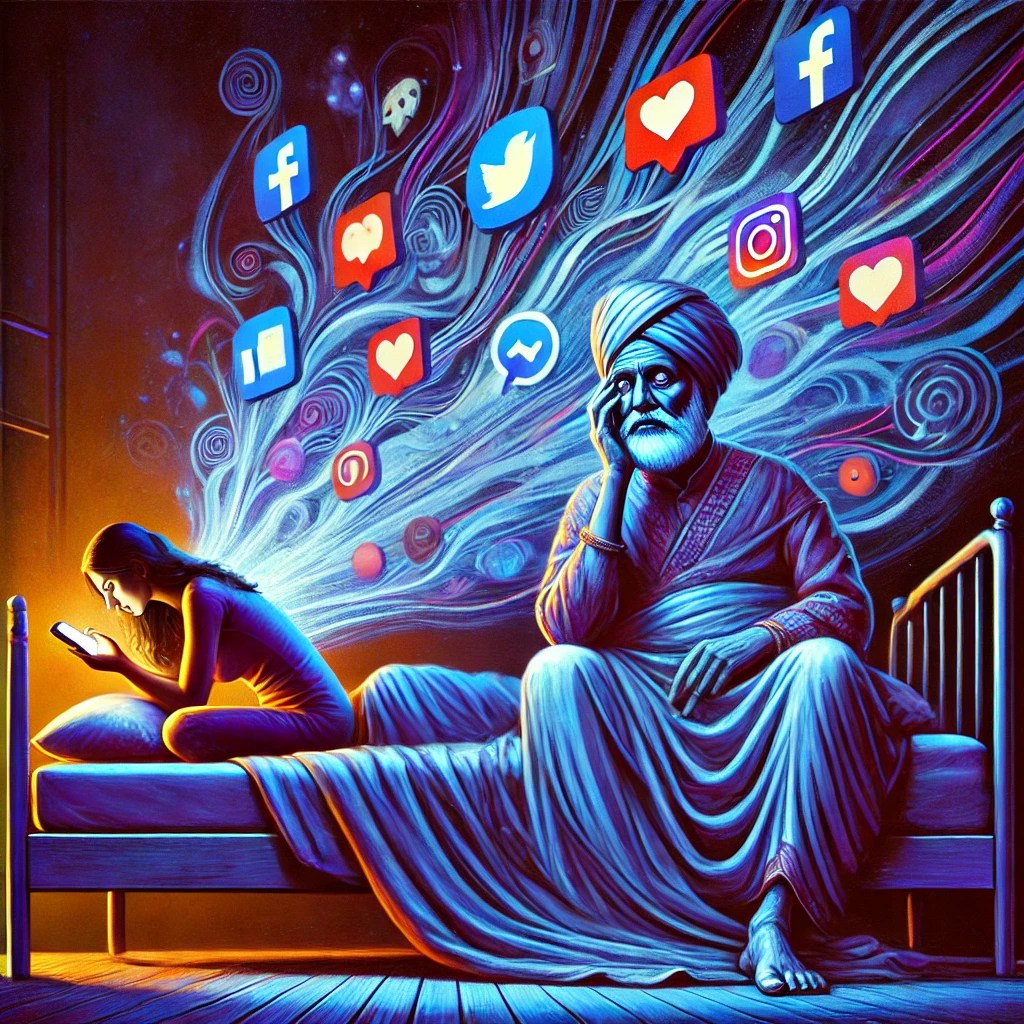
- Addiction and Time Management Issues
Social media is designed to be engaging, often resulting in excessive use. The addictive nature of these platforms can lead to a significant amount of time spent online, detracting from real-life activities and relationships. This can disrupt sleep patterns, reduce productivity, and lead to a sedentary lifestyle, all of which can negatively impact mental health. Additionally, the pressure to maintain an online presence and keep up with the latest trends can lead to stress and burnout.
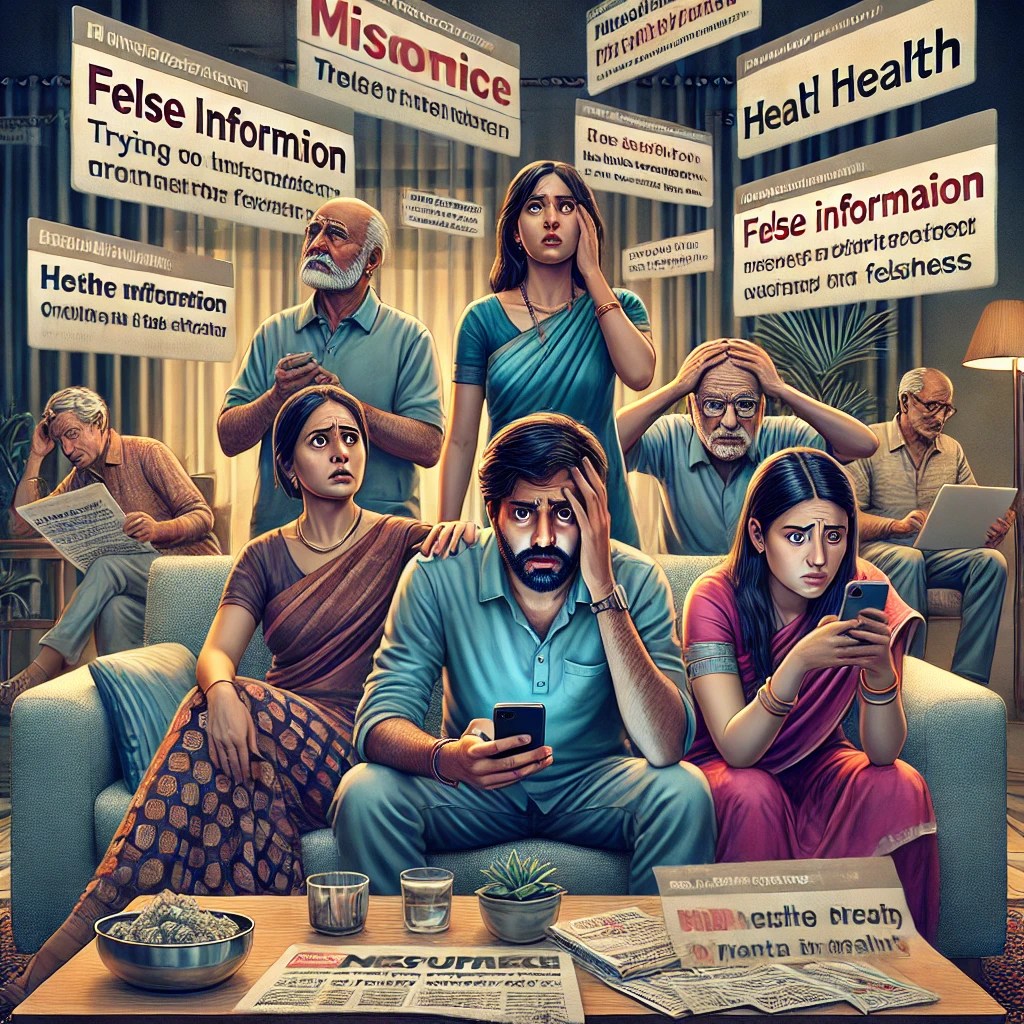
- Misinformation and Mental Health Misinformation
While social media can be a valuable source of information, it is also a breeding ground for misinformation. False or misleading content about mental health can spread quickly, leading to harmful misconceptions and potentially dangerous self-diagnoses or treatments. Users may encounter inaccurate advice from unqualified sources, which can hinder proper care and exacerbate mental health conditions.
Conclusion
The impact of social media on mental health is multifaceted, encompassing both positive and negative aspects. While social media can offer support, community, and valuable information, it also poses risks such as self-esteem issues, cyberbullying, and misinformation. As society continues to navigate the digital landscape, it is crucial to develop strategies for mitigating these risks while maximizing the benefits. Encouraging digital literacy, promoting positive online behaviors, and fostering open discussions about mental health can help individuals use social media in a way that supports their well-being. Ultimately, a balanced approach to social media use can enhance its potential as a tool for connection and mental health support, while minimizing its adverse effects.
The Impact of Social Media on Mental Health: Key Points with Examples
- Connection and Community Building
Example: Online support groups on Facebook for chronic illness patients offer a space for sharing experiences and advice, helping members feel less isolated.
2. Mental Health Awareness and Support
Example: Campaigns like #BellLetsTalk on Twitter raise awareness and funds for mental health, encouraging open conversations about mental well-being.
3.Access to Resources and Professional Help
Example: Platforms like Instagram feature licensed therapists providing tips and educational content, making mental health information more accessible.

4. Comparison and Self-Esteem Issues
Example: The “Instagram vs. Reality” trend highlights the difference between curated online personas and real life, which can help mitigate the impact of harmful comparisons.

5. Cyberbullying and Harassment
Example: High-profile cases, such as the bullying faced by celebrities like Lizzo, illustrate the emotional toll cyberbullying can take on individuals.

6.Addiction and Time Management Issues
Example: The rise of “doomscrolling,” where users endlessly consume negative news, can lead to increased anxiety and disrupt daily routines.

7.Misinformation and Mental Health Misinformation
Example: False claims about COVID-19 treatments circulated widely on social media, highlighting the risk of misinformation impacting public health.
8. Positive Behavioral Influence
Example: Fitness influencers on YouTube and Instagram encourage healthy habits like regular exercise and balanced diets, promoting physical and mental well-being.

9. Negative Impact on Sleep
Example: The blue light from screens and constant notifications can disrupt sleep patterns, as seen in studies linking social media use to sleep deprivation.
10. Identity Exploration and Self-Expression
Example: Platforms like TikTok allow users to explore and express their identities through creative content, which can be empowering for marginalized groups, such as the LGBTQ+ community.

These points illustrate the dual nature of social media’s impact on mental health, demonstrating both its potential benefits and its drawbacks.


 The Life Navigator