
Anxiety can often feel like an unwelcome guest in our lives, affecting our daily activities and overall well-being. However, there are effective ways to manage and reduce anxiety. Here are 10 proven strategies to help you regain control and find your calm.
1. Identify Your Triggers
Understanding what triggers your anxiety is the first step toward managing it.
Example: If social situations make you anxious, you can plan your interactions and gradually expose yourself to social settings to build confidence.
Action Step: Keep a journal to note down instances when you feel anxious and identify patterns.

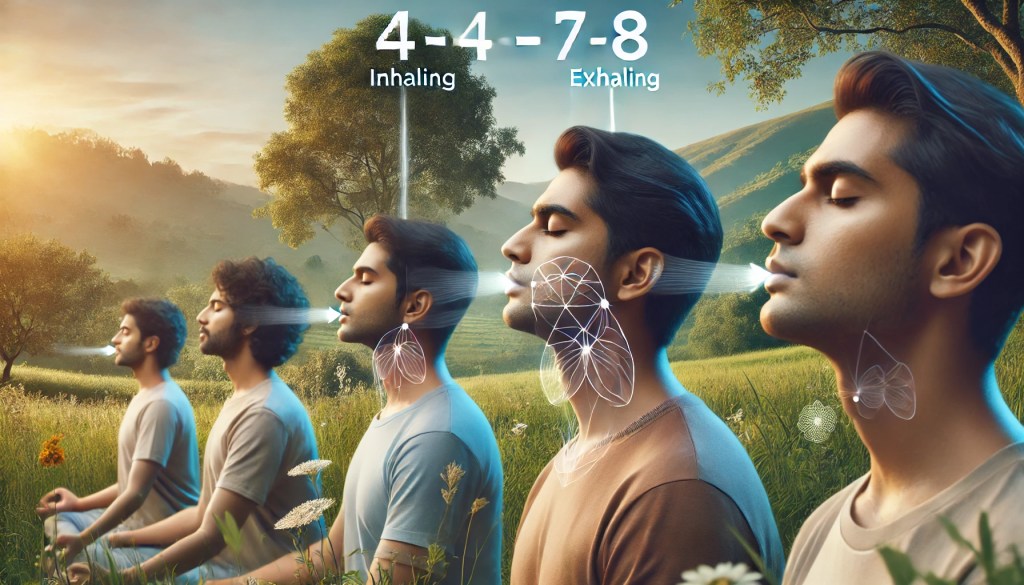
2. Practice Deep Breathing
Deep breathing exercises can help calm your mind and reduce anxiety.
Example: The 4-7-8 technique involves inhaling for 4 seconds, holding the breath for 7 seconds, and exhaling for 8 seconds.
Action Step: Set aside a few minutes each day to practice deep breathing exercises.
3. Stay Active
Regular physical activity can help decrease anxiety by releasing endorphins and reducing stress hormones.
Example: A daily 30-minute walk or a yoga session can significantly improve your mood and reduce anxiety.
Action Step: Incorporate at least 30 minutes of physical activity into your daily routine.

4. Limit Caffeine and Alcohol
Both caffeine and alcohol can increase anxiety levels and interfere with sleep.
Example: Switching from coffee to herbal tea or limiting your alcohol intake can help stabilize your mood.
Action Step: Gradually reduce your caffeine and alcohol consumption and monitor how it affects your anxiety.


5. Adopt a Healthy Diet
Eating a balanced diet can help manage anxiety by providing your body with the nutrients it needs to function properly.
Example: Foods rich in omega-3 fatty acids, such as salmon, and magnesium-rich foods, like spinach, can help reduce anxiety.
Action Step: Plan meals that include a variety of fruits, vegetables, lean proteins, and whole grains.

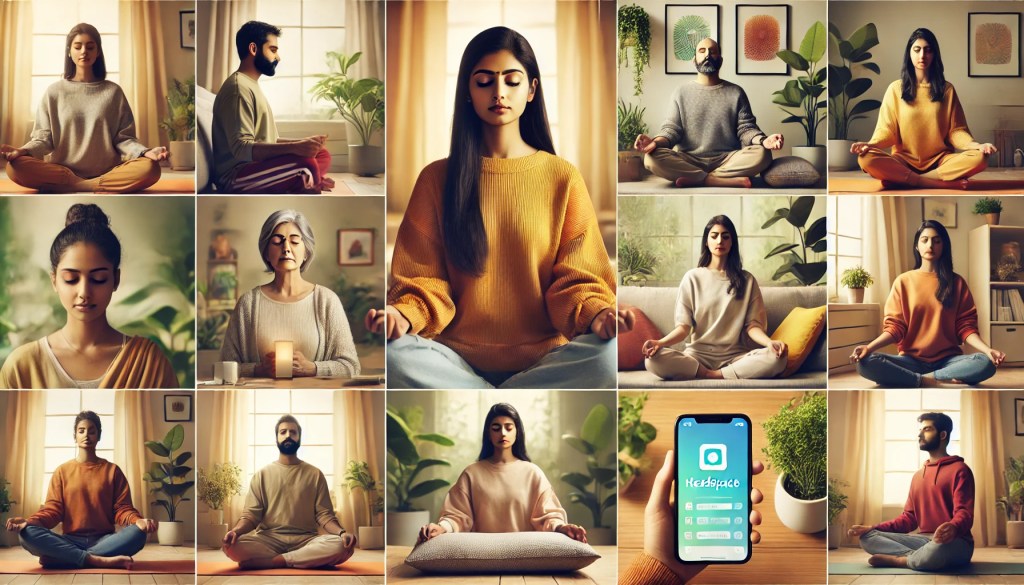
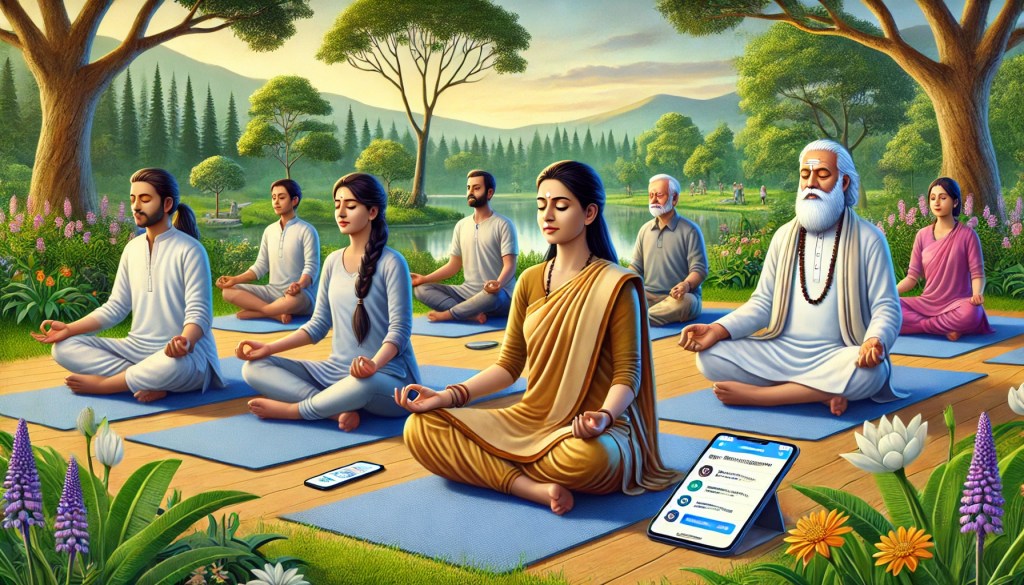
6. Practice Mindfulness and Meditation
Mindfulness and meditation can help you stay present and reduce anxiety.
Example: Apps like Headspace or Calm offer guided meditation sessions that can help you relax and focus.
Action Step: Dedicate a few minutes each day to mindfulness or meditation practices.
7. Establish a Routine
Having a structured routine can provide a sense of normalcy and reduce anxiety.
Example: Create a daily schedule that includes time for work, relaxation, meals, and sleep.
Action Step: Write down your daily routine and stick to it as closely as possible.

8. Connect with Others
Building strong relationships can provide emotional support and reduce feelings of anxiety.
Example: Regularly talking to a trusted friend or family member can help you feel more grounded and supported.
Action Step: Make an effort to reach out to someone you trust and plan regular catch-ups.

9. Seek Professional Help
Sometimes, managing anxiety on your own can be challenging, and seeking professional help can be beneficial.
Example: Cognitive-behavioral therapy (CBT) is a highly effective treatment for anxiety.
Action Step: Schedule an appointment with a mental health professional if your anxiety feels overwhelming.

10. Engage in Relaxing Activities
Find activities that help you relax and take your mind off your worries.
Example: Reading, gardening, or listening to music can provide a peaceful escape from anxiety.
Action Step: Set aside time each week to engage in activities that bring you joy and relaxation.


By incorporating these strategies into your daily life, you can effectively manage and reduce anxiety, leading to a more peaceful and fulfilling existence. Remember, finding what works best for you may take time, but persistence and patience are key.


 The Life Navigator