
Procrastination is a universal challenge that affects people across all walks of life, from students to professionals. Despite our best intentions, we often find ourselves delaying tasks that are important, opting instead for short-term distractions. But why do we procrastinate, and more importantly, how can we overcome it? In this article, we will explore the psychological underpinnings of procrastination and provide actionable strategies to defeat it.
Understanding the Psychology Behind Procrastination
At its core, procrastination is not just about poor time management. It’s often deeply connected to emotions, mental blocks, and underlying psychological factors. Let’s delve into some of the main reasons why we procrastinate:
- Fear of Failure
Many individuals procrastinate because they are afraid of failing or not meeting high expectations. This fear creates anxiety, making it easier to avoid the task entirely rather than face the potential disappointment. - Perfectionism
Perfectionists tend to delay tasks because they want everything to be perfect before they even start. The idea of producing something less than perfect can lead them to put off tasks indefinitely. - Lack of Motivation
When we’re not interested in or passionate about a task, it’s hard to find the drive to complete it. Tasks that seem boring or monotonous are more likely to be procrastinated. - Overwhelm
Large, complex tasks can feel overwhelming, causing people to delay starting them because they don’t know where to begin. The sheer size of the task makes it seem impossible, so avoiding it feels easier. - Instant Gratification
We live in a world filled with distractions, from social media to entertainment, and it’s easy to choose immediate pleasure over long-term benefits. This is referred to as the “instant gratification monkey” by some psychologists, where our brain favors short-term rewards.
The Effects of Procrastination
While procrastination may provide temporary relief, it often leads to negative consequences in the long term:
- Increased Stress
Procrastination can lead to a build-up of stress as deadlines loom closer. The pressure of trying to complete a task at the last minute can cause anxiety and result in poor-quality work. - Decreased Productivity
Delaying tasks reduces overall productivity. When we postpone important activities, we lose valuable time that could be spent working efficiently, leading to a cycle of wasted opportunities. - Lowered Self-Esteem
Constantly procrastinating can damage self-esteem. Individuals may begin to feel inadequate or incapable because they struggle to get things done on time. - Harm to Relationships and Career
Procrastination doesn’t just affect the individual—it can strain relationships with others, especially in team settings where one person’s delay impacts everyone else. It can also negatively affect career prospects, as missing deadlines or producing rushed work reflects poorly in professional settings.
Strategies to Overcome Procrastination
While procrastination can feel like an ingrained habit, it is possible to break the cycle and regain control of your time. Here are some practical strategies to help defeat procrastination:
- Break Tasks into Smaller Steps
When tasks feel overwhelming, break them into smaller, manageable steps. This reduces the sense of intimidation and makes it easier to start. Each small step accomplished builds momentum. - Set Specific Deadlines
Vague deadlines often lead to procrastination. Set clear, specific deadlines for yourself to create a sense of urgency. Self-imposed deadlines help establish a framework for accountability. - Use the “Two-Minute Rule”
This rule suggests that if a task can be completed in two minutes or less, do it immediately. This helps prevent small tasks from piling up and creates a sense of accomplishment that can motivate you to tackle bigger tasks. - Focus on the Long-Term Benefits
To combat instant gratification, remind yourself of the long-term benefits of completing the task. Whether it’s the satisfaction of achieving a goal or avoiding the stress of last-minute work, focusing on future rewards can help you stay motivated. - Remove Distractions
Identify and eliminate distractions from your environment. Whether it’s turning off your phone, blocking social media sites, or finding a quiet workspace, creating an environment that fosters focus is crucial to staying on track. - Practice Self-Compassion
Be kind to yourself. Procrastination often comes with guilt and self-criticism, which only worsens the cycle. Understand that it’s normal to struggle, and instead of being harsh, acknowledge your challenges and work on them with patience. - Use Time Management Techniques
Techniques like the Pomodoro Technique (working in 25-minute focused intervals followed by a short break) can help you maintain concentration and avoid burnout. It’s a great way to develop a routine of steady progress. - Reward Yourself
Positive reinforcement can be powerful. Set small rewards for yourself after completing tasks. Whether it’s taking a break, enjoying a treat, or doing something you enjoy, rewards can provide extra motivation to stay on track.
Conclusion: Taking Control of Time
Mastering time and overcoming procrastination requires understanding the psychological reasons behind why we delay and implementing practical strategies to break the habit. By breaking tasks into smaller steps, setting clear deadlines, and eliminating distractions, you can build momentum and regain control of your time. Remember, procrastination is a habit, and like any habit, it can be changed with effort, patience, and the right mindset.
Procrastination doesn’t have to control your life. With the right tools and psychological insights, you can defeat it and become more productive, less stressed, and better equipped to handle the challenges that come your way. Take the first step now—don’t wait!
10 key points from the article, with examples to clarify each concept:
- Fear of Failure
- Example: A student may avoid starting a project because they fear getting a bad grade, worrying that their efforts won’t be good enough. This leads to procrastination.

- Perfectionism
- Example: A writer might delay submitting an article because they want every sentence to be flawless, thus spending excessive time refining it rather than completing it.

- Lack of Motivation
- Example: A person might put off cleaning their house because they find the task boring and uninspiring, making it difficult to start.

- Overwhelm from Large Tasks
- Example: A worker facing a complex report might feel so overwhelmed by the amount of work that they delay starting it altogether.

- Instant Gratification
- Example: Instead of preparing for an exam, a student may choose to play video games because it offers immediate enjoyment, leading to last-minute cramming.

- Increased Stress Due to Procrastination
- Example: Someone who waits until the night before a deadline to start an assignment will feel intense pressure and stress to complete it in time, affecting the quality of work.

- Break Tasks into Smaller Steps
- Example: Instead of writing an entire research paper in one go, a student could break it down into smaller tasks: researching for one hour, drafting an outline, and then writing a few paragraphs each day.
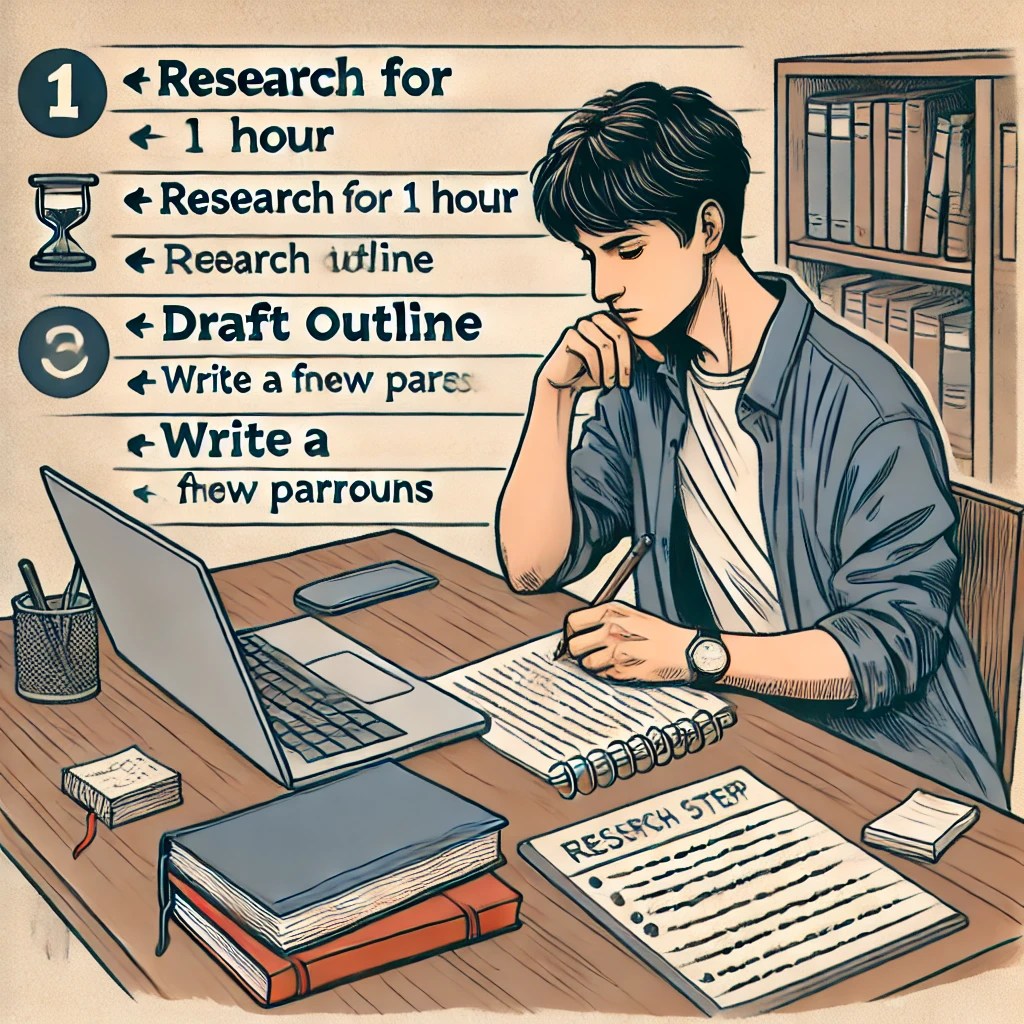
- Use the Two-Minute Rule
- Example: If responding to an email or tidying a desk can be done in two minutes, it’s better to handle it immediately rather than letting small tasks accumulate.

- Remove Distractions
- Example: A person might decide to turn off their phone notifications or use website blockers to prevent distractions while working on an important project.

- Reward Yourself After Tasks
- Example: After completing a difficult task, such as finishing a work report, you could reward yourself by watching an episode of your favorite TV show or having a treat.

Each of these points highlights an aspect of procrastination and provides a practical example of how to address or avoid the problem.


 The Life Navigator