
By- Dr. Sohel Rana
Personalized learning has emerged as a powerful approach in education, leveraging technology to cater to the unique needs and preferences of each student. By customizing learning experiences, personalized learning aims to improve engagement, comprehension, and overall educational outcomes. Here are ten key points on how technology is enabling personalized learning, accompanied by relevant examples.
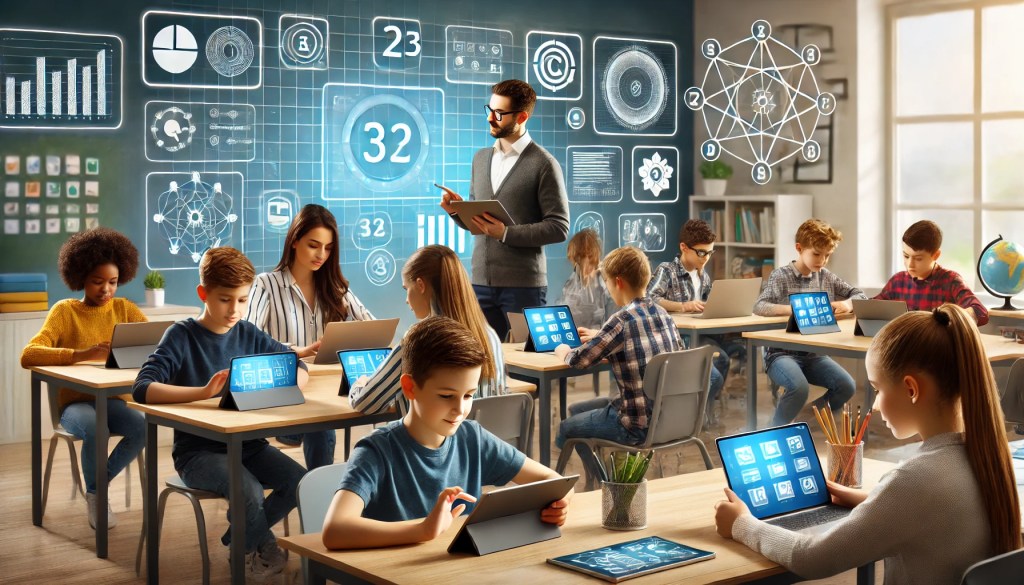
1. Adaptive Learning Platforms
Adaptive learning platforms use algorithms to analyze student performance and adjust content accordingly. These platforms provide customized resources and activities that match the student’s skill level and learning pace.
Example: DreamBox Learning offers an adaptive math program that continually assesses student progress and delivers personalized lessons to address gaps in understanding.
2. Data-Driven Insights
Technology collects and analyzes vast amounts of data on student behavior, performance, and preferences. Educators use these insights to tailor instruction and interventions.
Example: Teachers using Google Classroom can track student engagement and assignment completion rates, allowing them to identify students who may need additional support or enrichment.

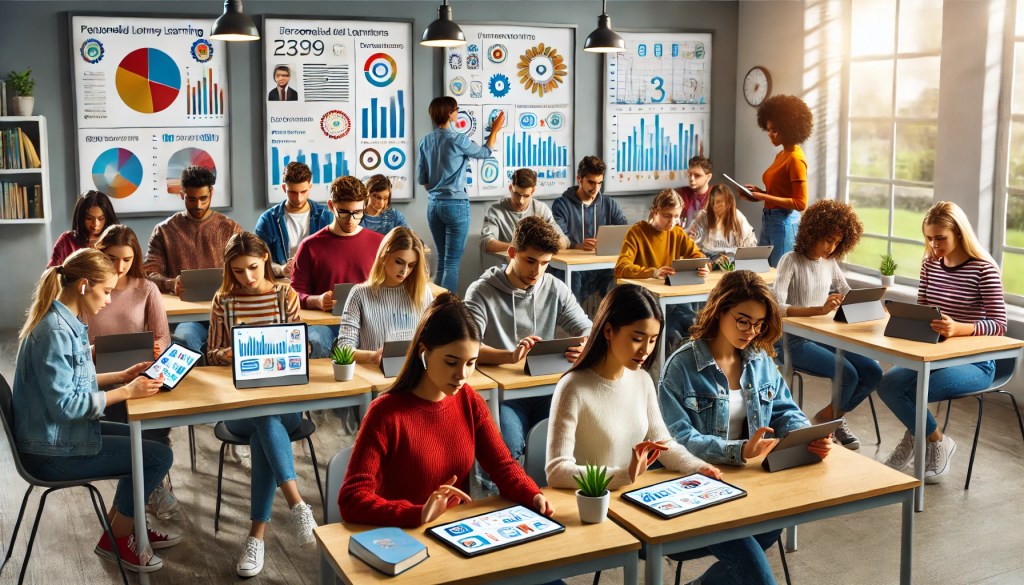
3. Customized Learning Paths
Students can follow individualized learning paths designed to align with their strengths, weaknesses, and interests. These paths provide a more relevant and engaging learning experience.
Example: Khan Academy creates personalized learning dashboards for students, offering recommendations for practice exercises and instructional videos based on their progress and performance.
4. Real-Time Feedback
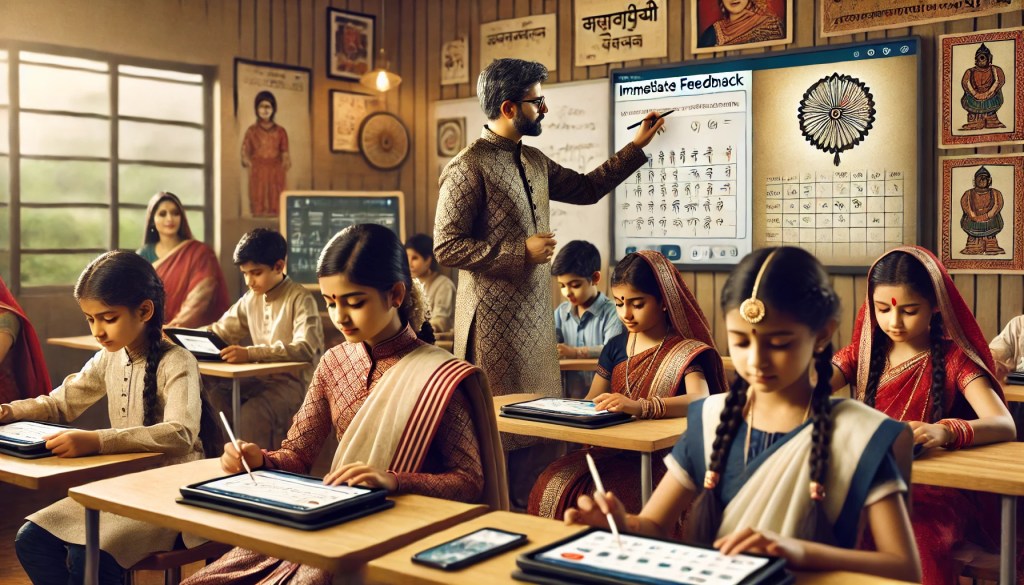
Immediate feedback helps students understand their mistakes and learn from them quickly. This feedback loop supports continuous improvement and mastery of concepts.
Example: EdTech tools like Formative allow teachers to provide real-time feedback on student work, enabling students to make corrections and learn from their errors instantly.
5. Flexible Pacing
Technology enables students to learn at their own pace, allowing them to spend more time on challenging topics and move quickly through areas they understand well.
Example: Coursera offers self-paced online courses that allow learners to complete coursework according to their schedules, providing flexibility and accommodating different learning speeds.

6. Engaging Multimedia Content
Interactive and multimedia content, such as videos, simulations, and gamified learning experiences, cater to different learning styles and preferences.
Example: Nearpod incorporates interactive elements like quizzes, polls, and VR experiences into lessons, making learning more engaging and tailored to students’ interests.

7. Collaborative Learning Opportunities
Personalized learning platforms often include tools for collaboration, enabling students to work together on projects and share knowledge, while still pursuing individual learning goals.
Example: Microsoft Teams for Education allows students to collaborate on assignments, participate in group discussions, and share resources, fostering a personalized yet collaborative learning environment.

8. Learning Analytics
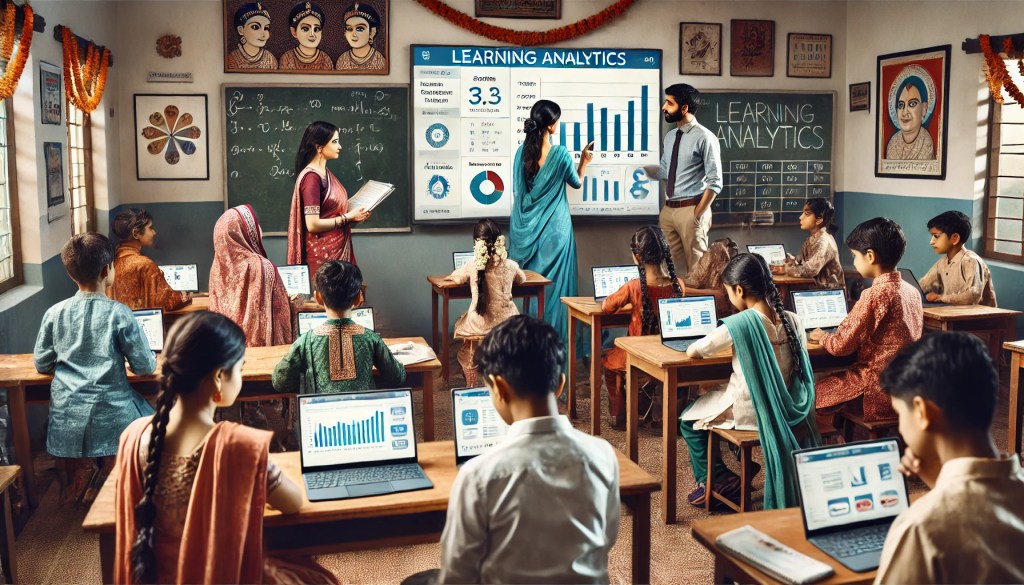
Learning analytics tools provide detailed reports on student progress, helping educators make informed decisions about instructional strategies and interventions.
Example: Renaissance Learning’s Star Assessments offer detailed analytics on student performance in reading and math, helping teachers tailor instruction to meet each student’s needs.
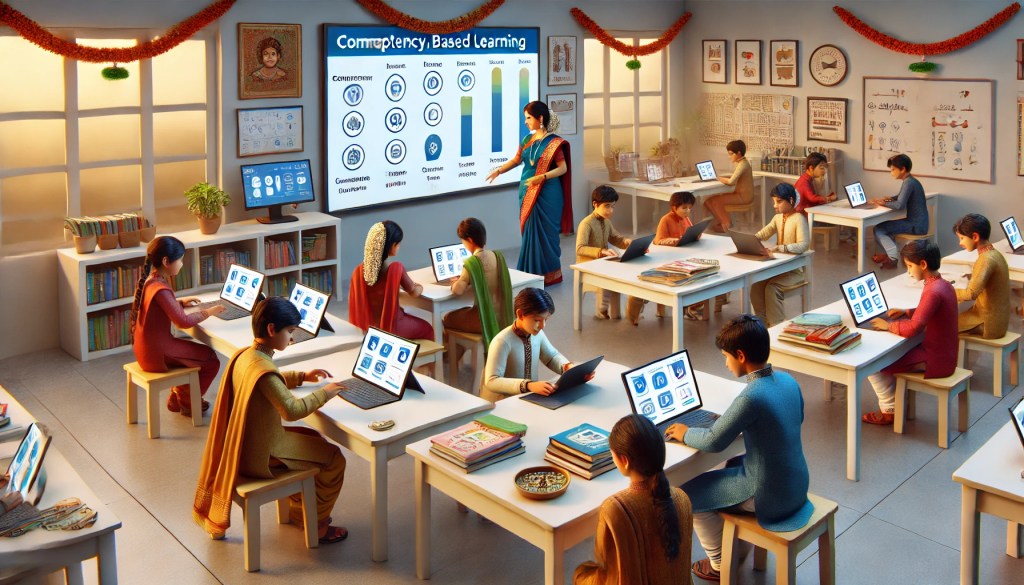
9. Competency-Based Learning
Competency-based learning focuses on mastering specific skills or competencies rather than following a traditional curriculum. Students progress as they demonstrate mastery of each competency.
Example: Summit Learning’s platform allows students to work on projects and assignments that build specific competencies. Teachers track progress and provide personalized support to ensure mastery.
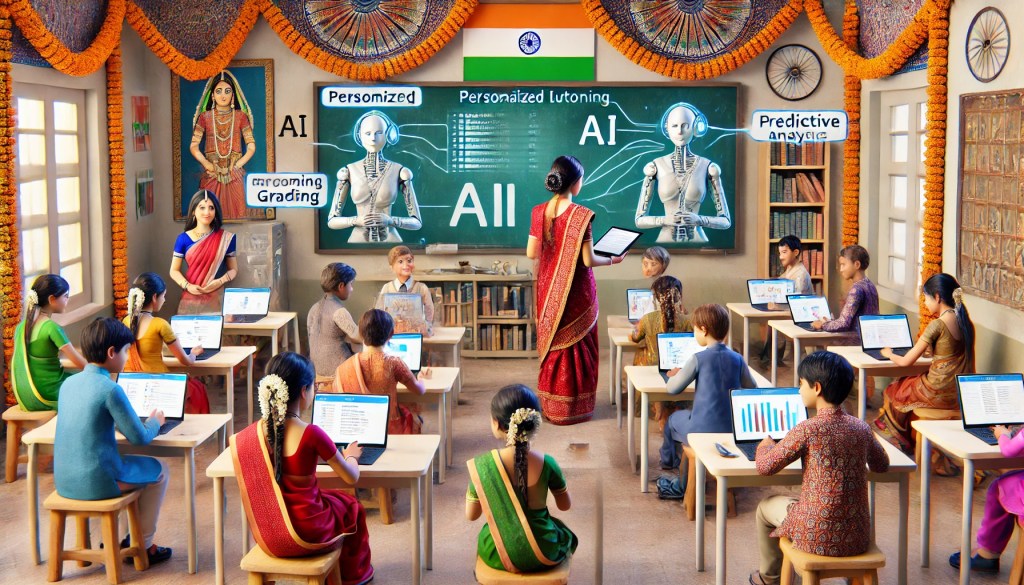
10. Integration of Artificial Intelligence
AI-driven tools can provide personalized tutoring, automated grading, and predictive analytics to support individualized learning experiences.
Example: Squirrel AI, an AI-powered adaptive learning system, offers personalized tutoring sessions that adapt to the student’s learning style and knowledge gaps, providing customized instruction and practice.
Conclusion
Personalized learning, empowered by technology, is transforming education by making it more responsive to individual student needs. By harnessing the power of adaptive learning platforms, data-driven insights, and AI, educators can create customized learning experiences that enhance engagement, understanding, and academic success. As these technologies continue to evolve, personalized learning will play an increasingly vital role in preparing students for the diverse challenges of the future.


 The Life Navigator