
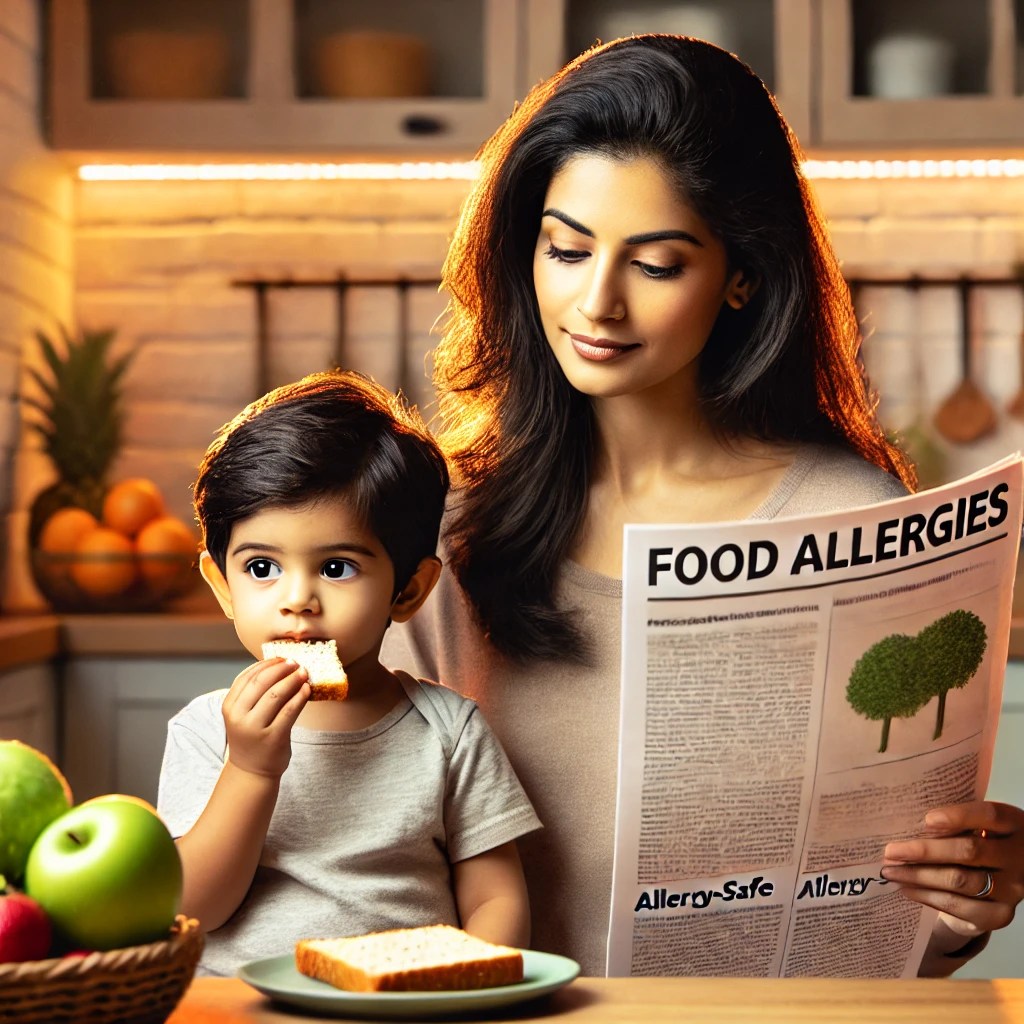
Food allergies in children have been increasing at an alarming rate over the past few decades, raising concerns among parents, educators, and healthcare professionals. While food allergies can range from mild to severe, understanding their causes, symptoms, and management strategies is crucial for keeping children safe.
Understanding Food Allergies
Food allergies occur when the immune system mistakenly identifies a particular food as harmful, triggering an allergic reaction. Even small traces of the allergen can lead to symptoms that range from mild discomfort to severe, life-threatening anaphylaxis.
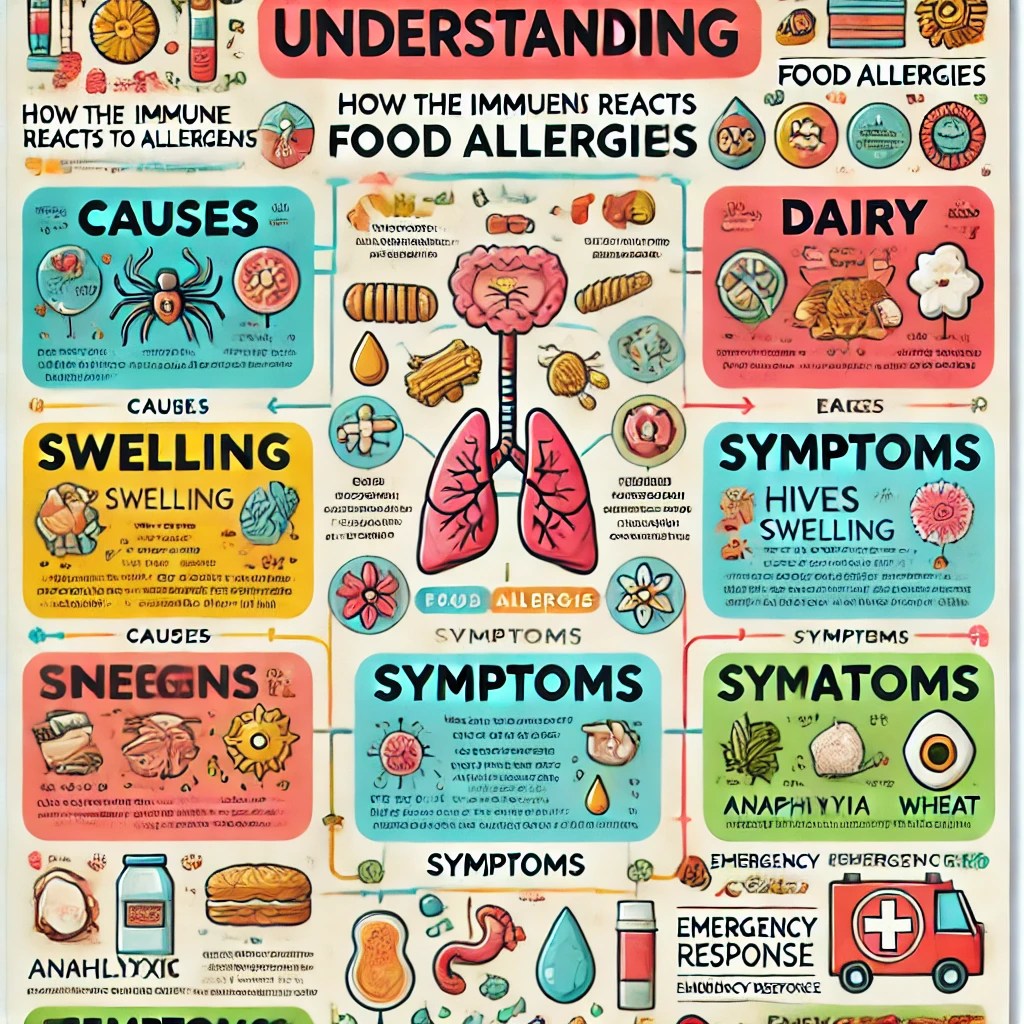
Why Are Food Allergies Increasing?
Several factors have been linked to the rise in childhood food allergies:
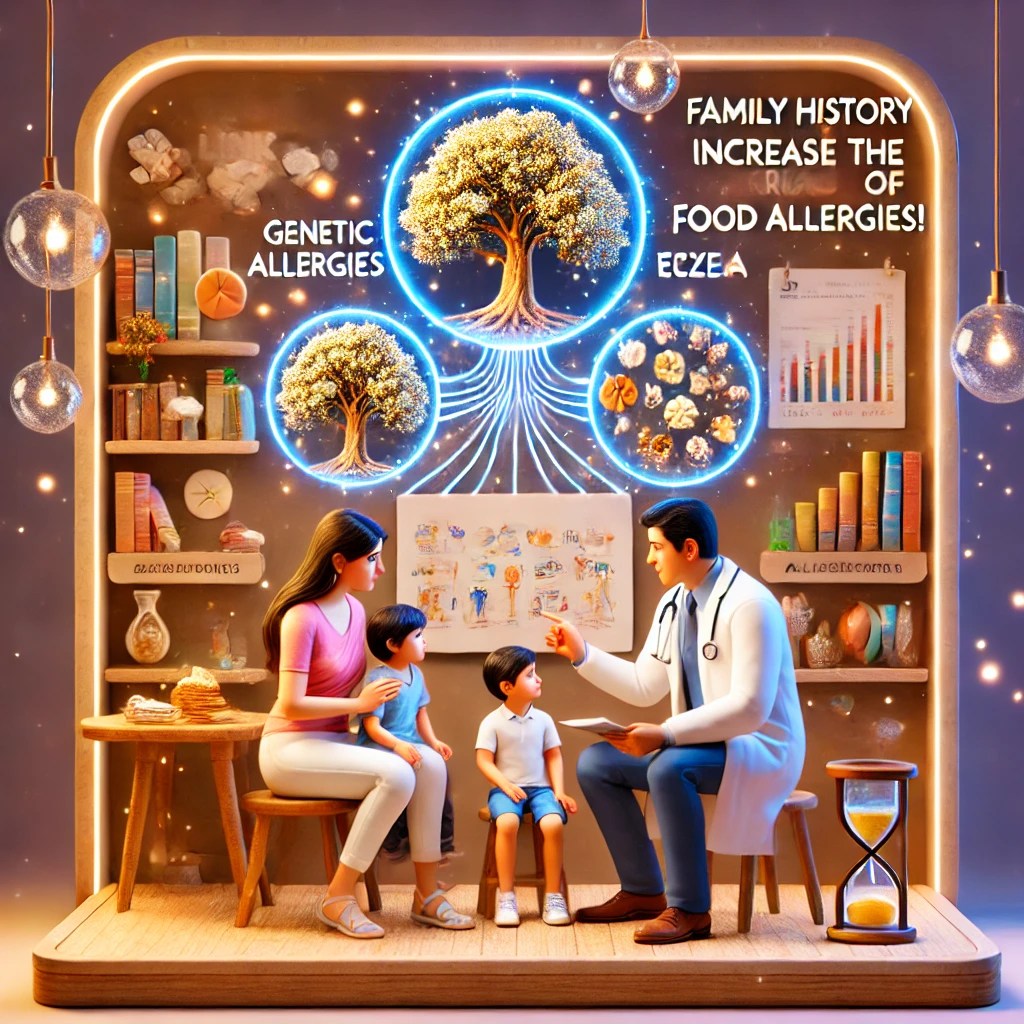
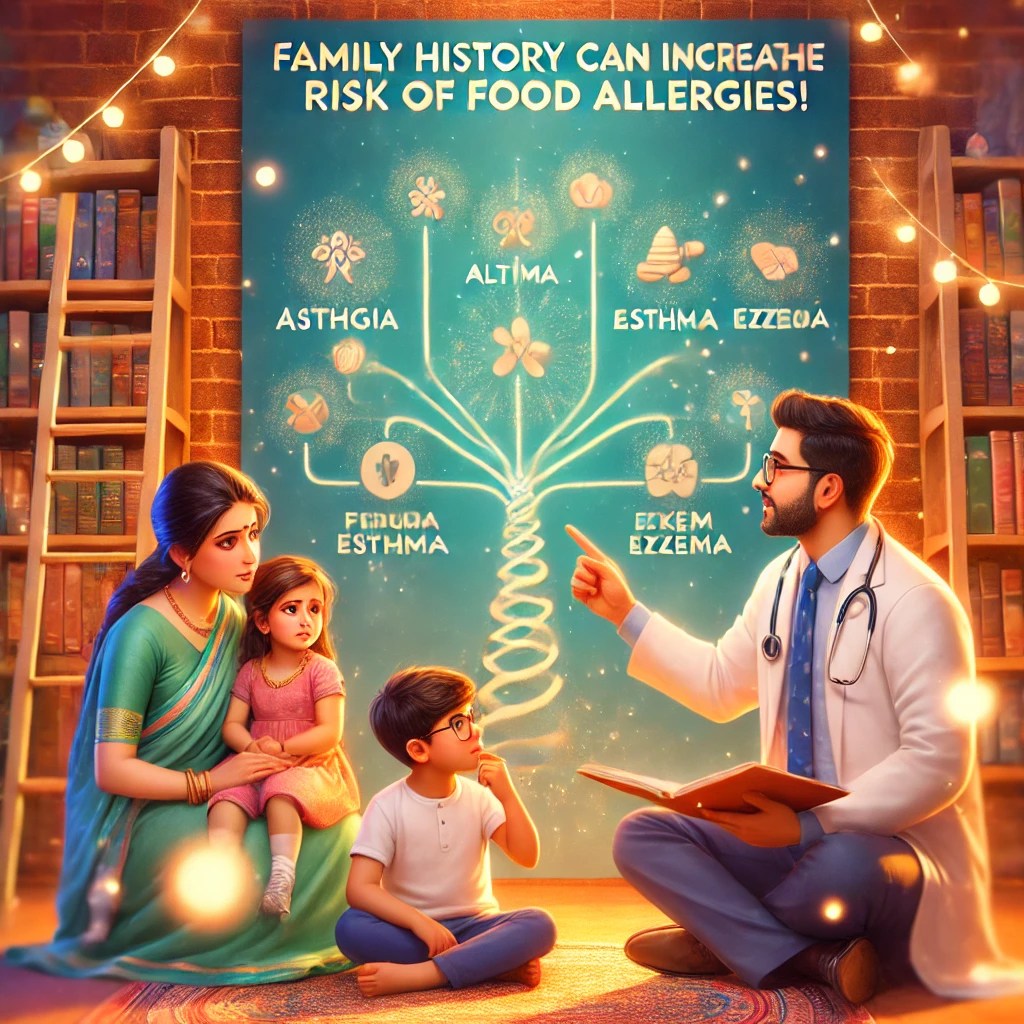
- Genetic Predisposition – Children with a family history of allergies, asthma, or eczema are more likely to develop food allergies.
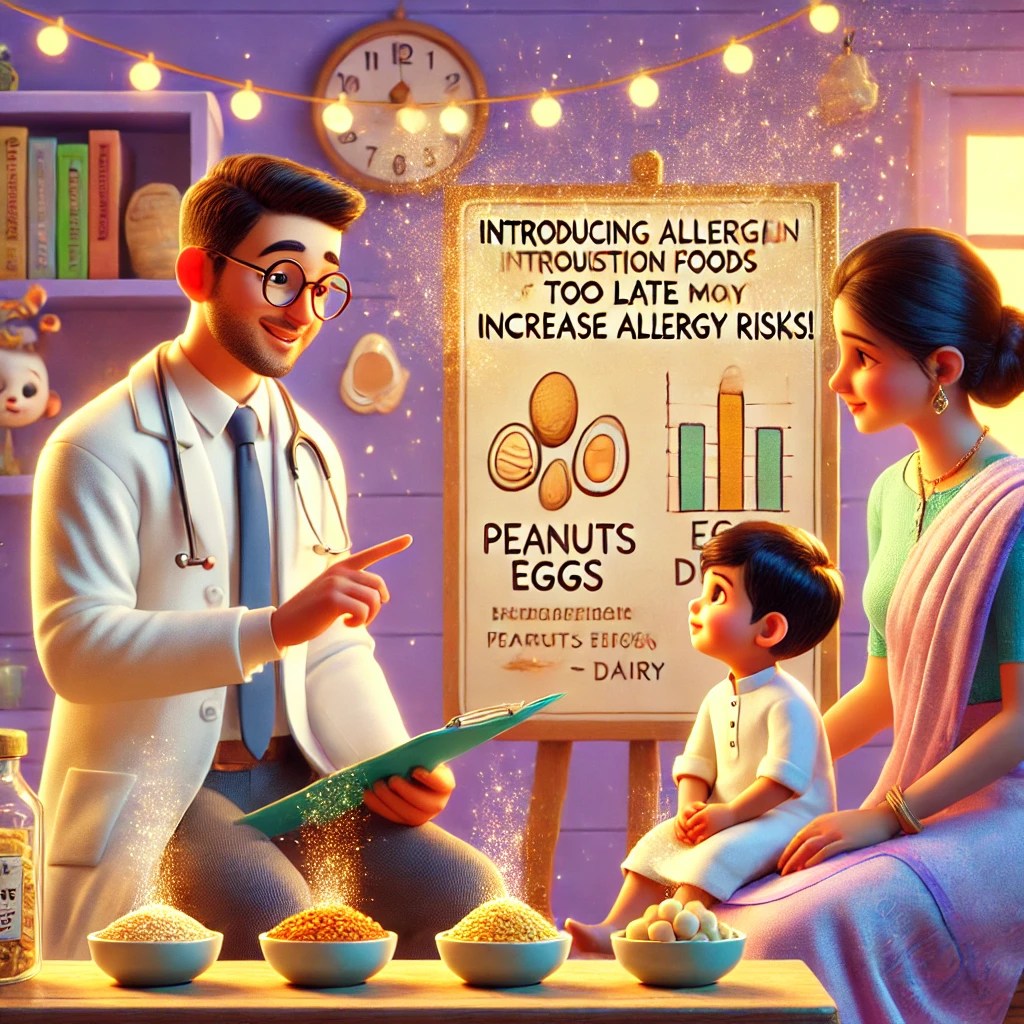
- Delayed Introduction of Allergenic Foods – Some studies suggest that delaying the introduction of common allergens, such as peanuts and eggs, may contribute to increased allergy risks.
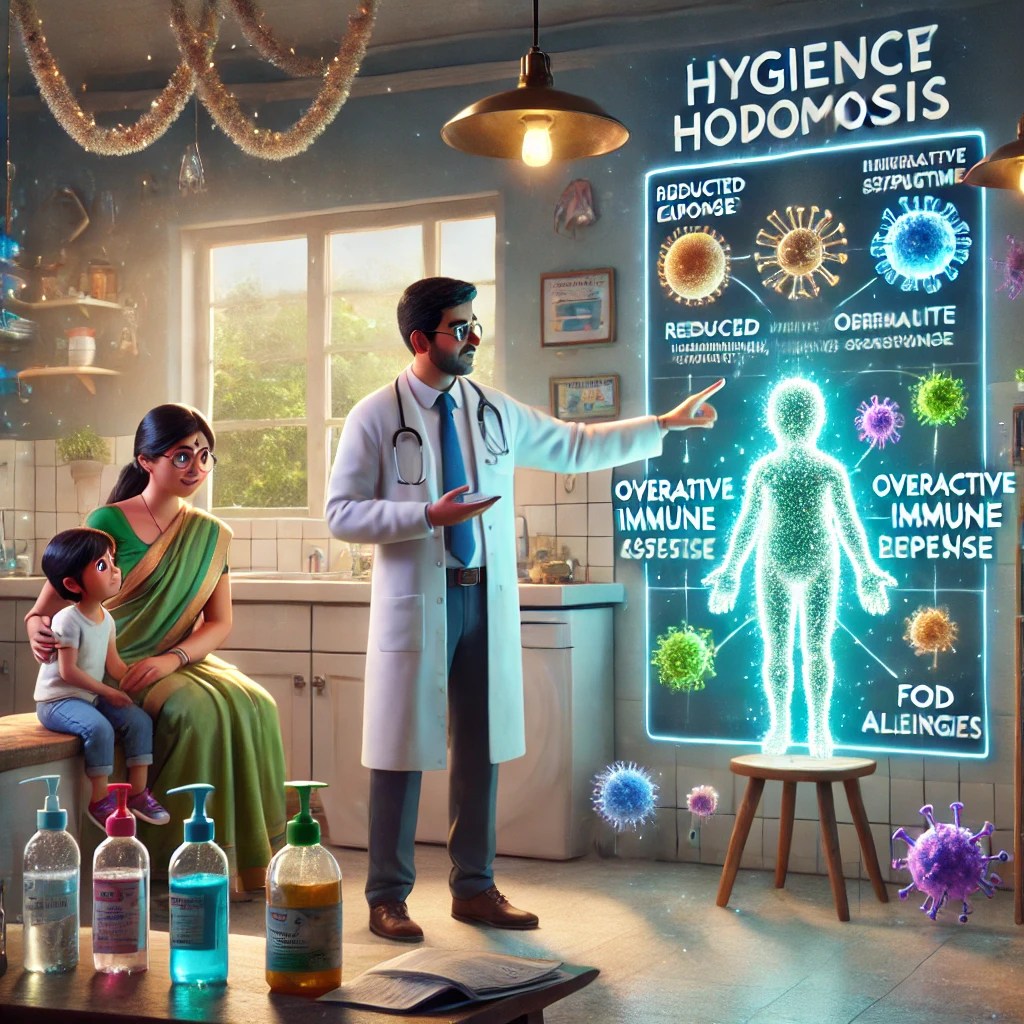
- Hygiene Hypothesis – Reduced exposure to microbes due to improved sanitation may cause an overactive immune response to harmless substances.
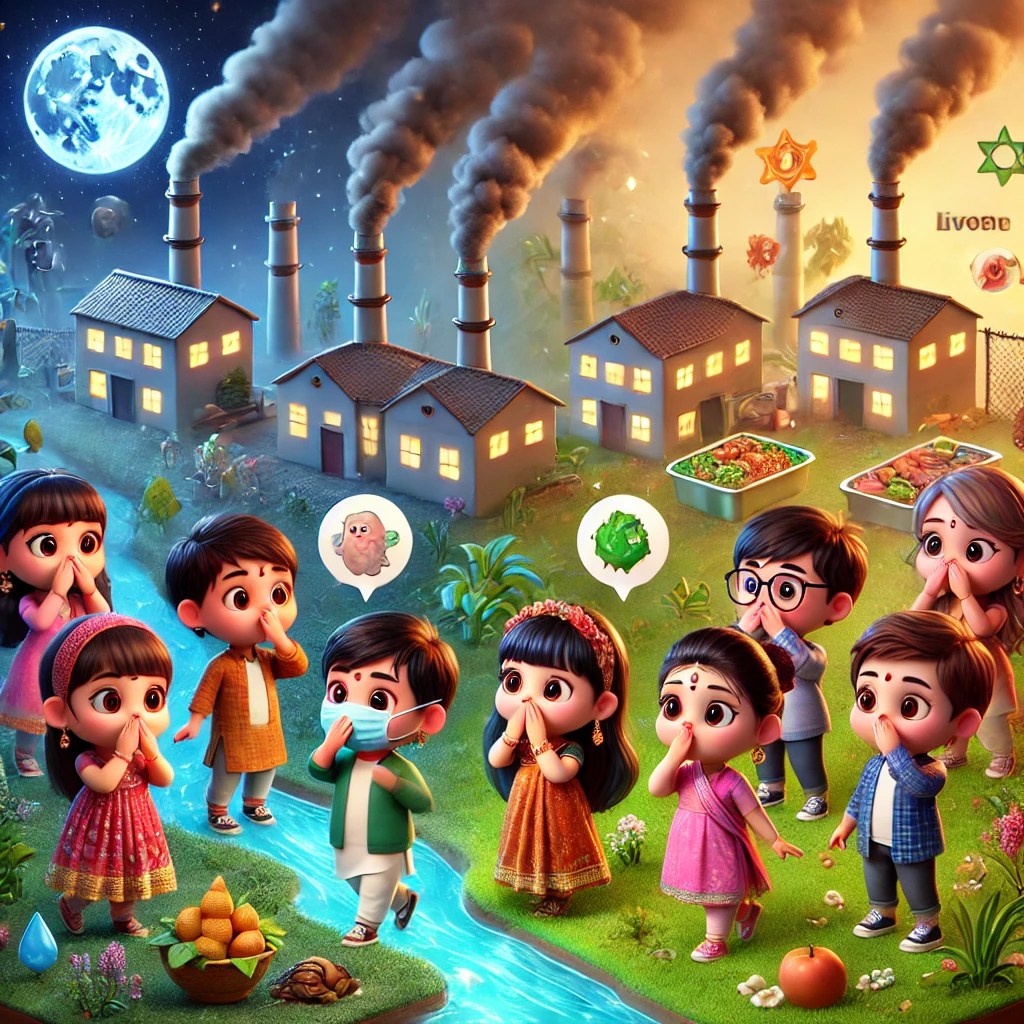
- Environmental Changes – Pollutants, chemicals, and dietary changes may also influence immune system development and food allergy prevalence.
Common Food Allergens in Kids
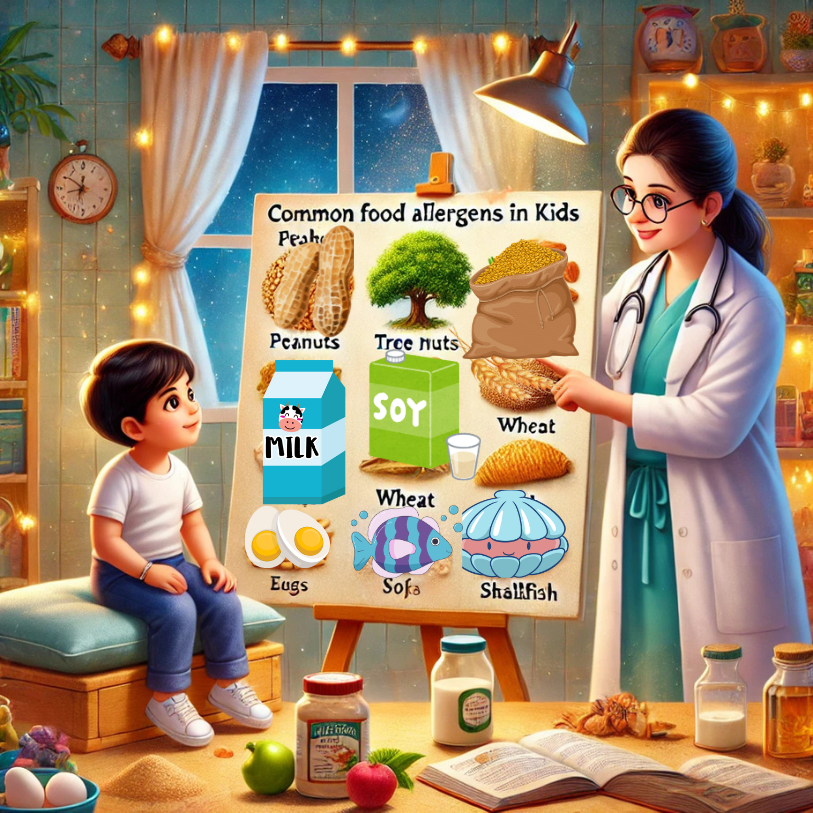
Although any food can cause an allergic reaction, the most common allergens among children include:
- Peanuts
- Tree nuts (such as almonds, walnuts, and cashews)
- Milk
- Eggs
- Wheat
- Soy
- Fish and shellfish
Recognizing Allergy Symptoms
Food allergy symptoms can develop within minutes or hours after consuming an allergenic food. Parents should watch for:
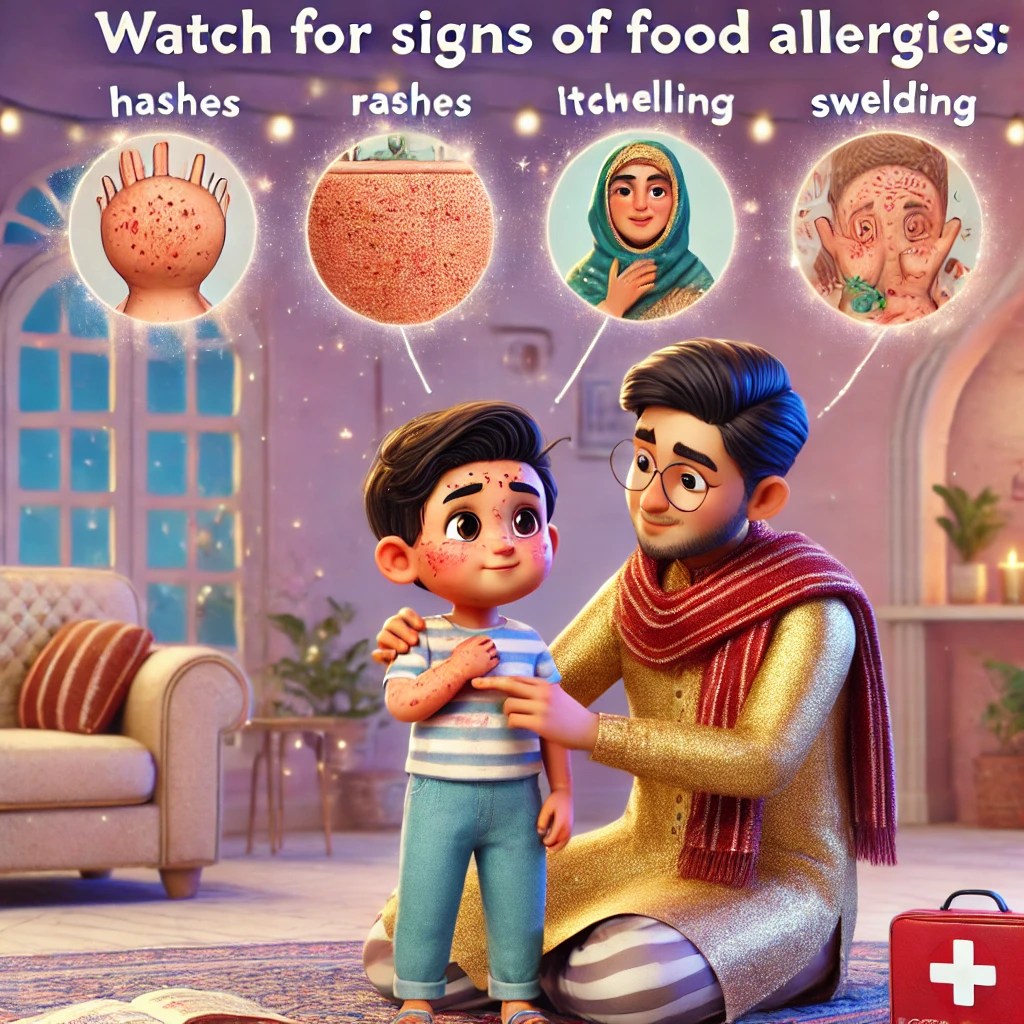
- Skin Reactions – Hives, rashes, itching, or swelling
- Gastrointestinal Issues – Vomiting, diarrhea, or stomach pain

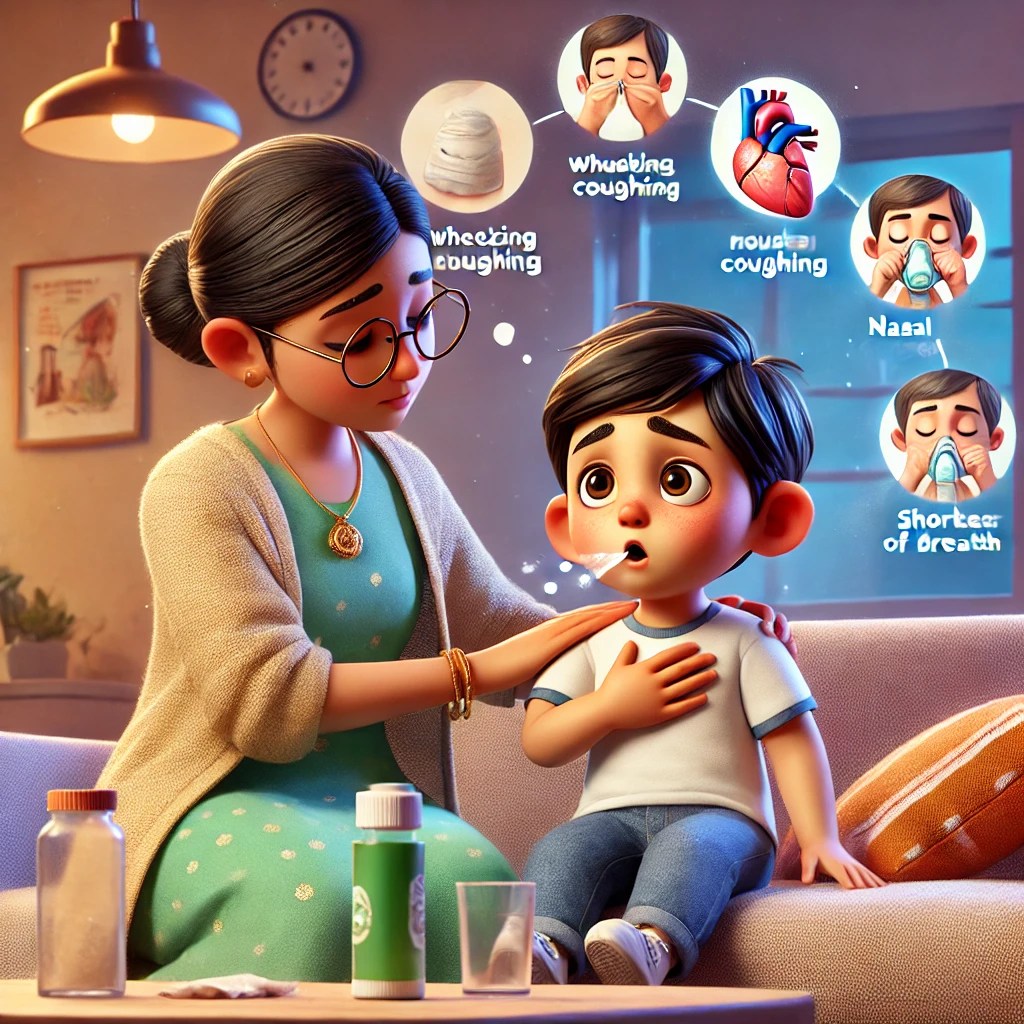
- Respiratory Symptoms – Wheezing, coughing, nasal congestion, or shortness of breath
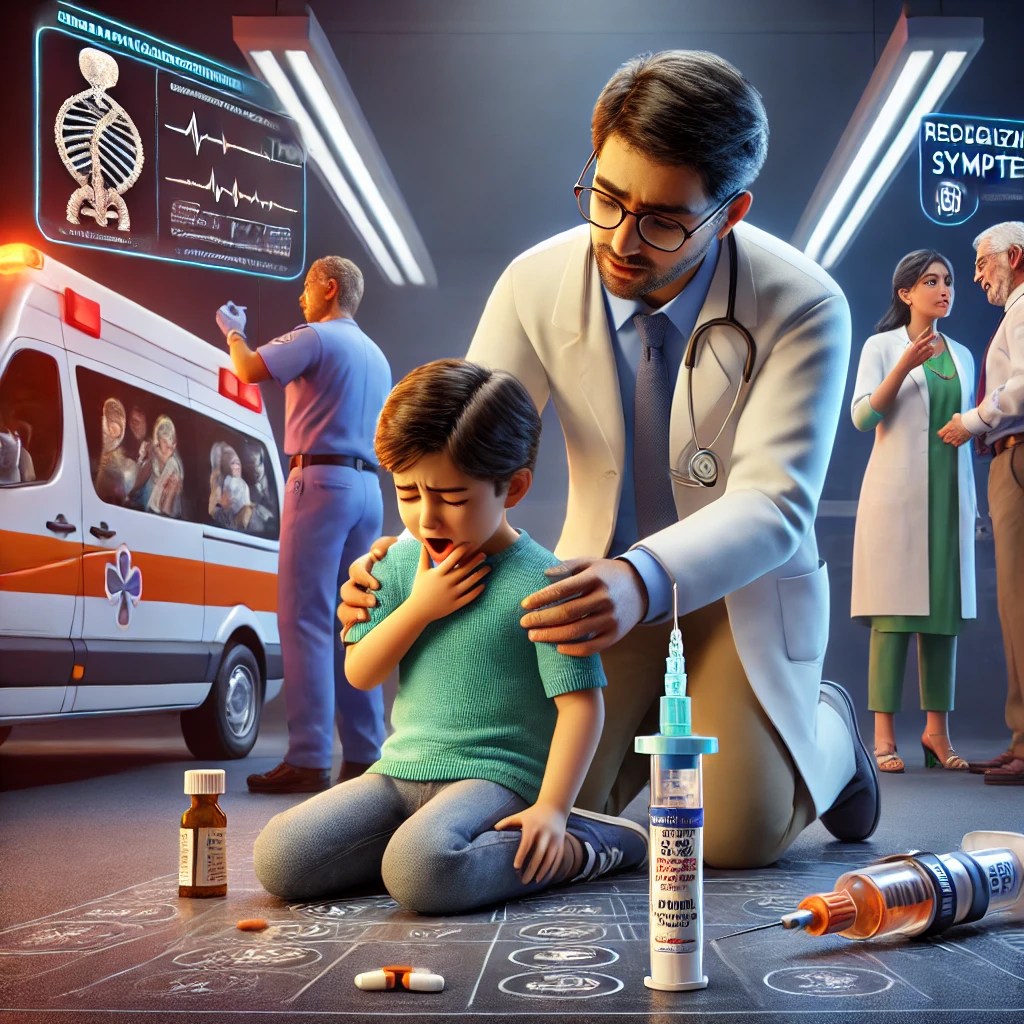
- Anaphylaxis – A severe reaction that may cause difficulty breathing, swelling of the throat, rapid drop in blood pressure, and potential loss of consciousness (requires immediate medical attention)
Managing Food Allergies
While there is no cure for food allergies, parents can take several steps to minimize risks and ensure their child’s safety:
- Early Introduction of Allergenic Foods – Under a pediatrician’s guidance, introducing allergenic foods early in life may help reduce the risk of developing allergies.

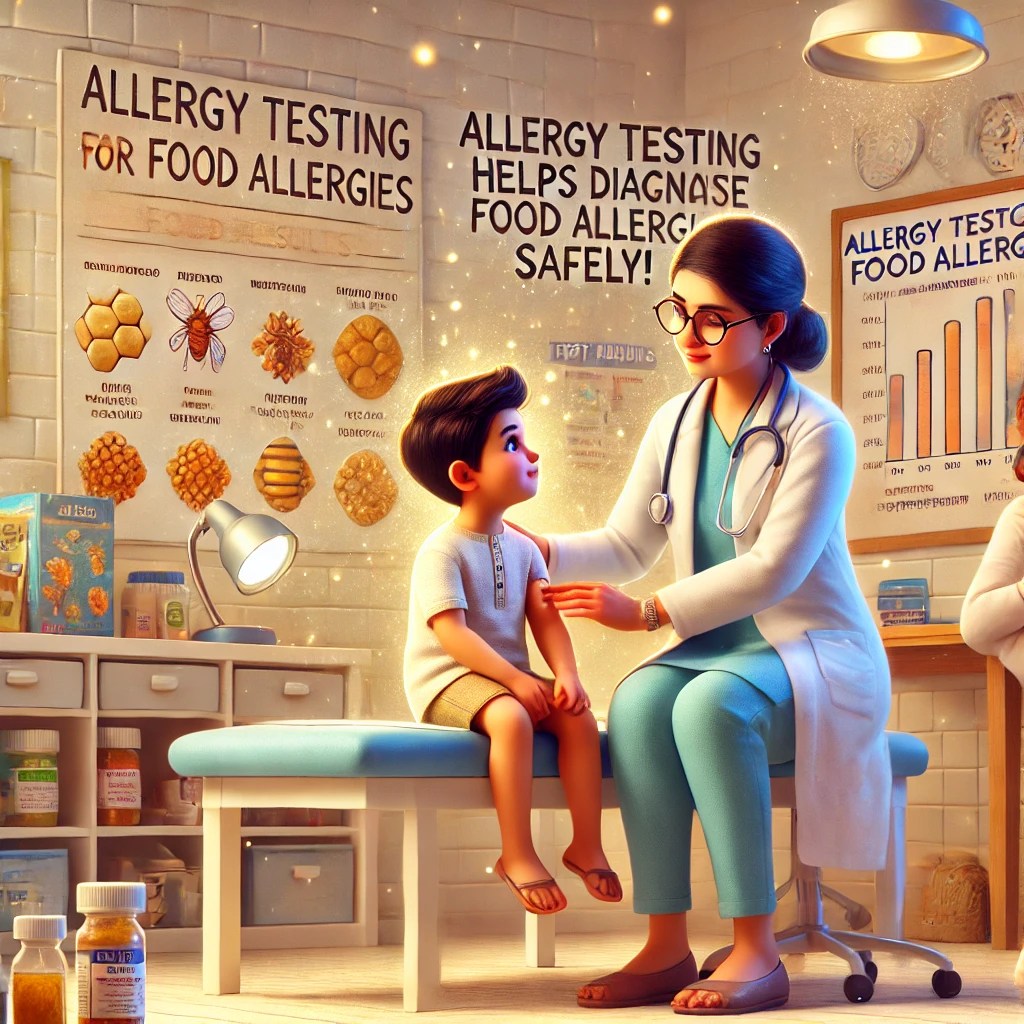
- Allergy Testing – If parents suspect a food allergy, consulting a doctor for allergy tests can help with diagnosis.
- Reading Food Labels – Parents should carefully read ingredient lists and avoid foods that may contain allergens.

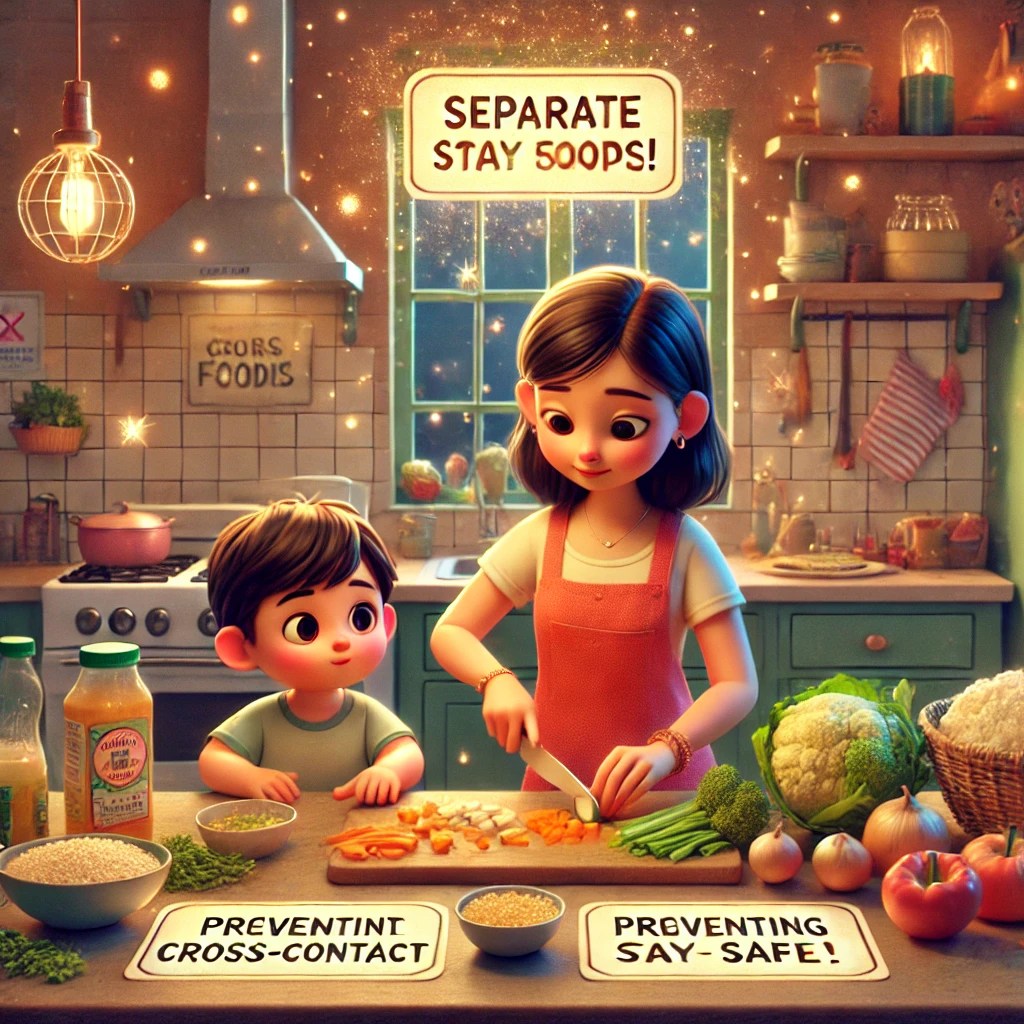
- Safe Meal Preparation – Preventing cross-contact between allergenic and non-allergenic foods is crucial when preparing meals at home.
- Emergency Action Plan – Parents should have an emergency plan in place, including access to an epinephrine auto-injector (EpiPen) if prescribed.

The Role of Parents, Schools, and Communities
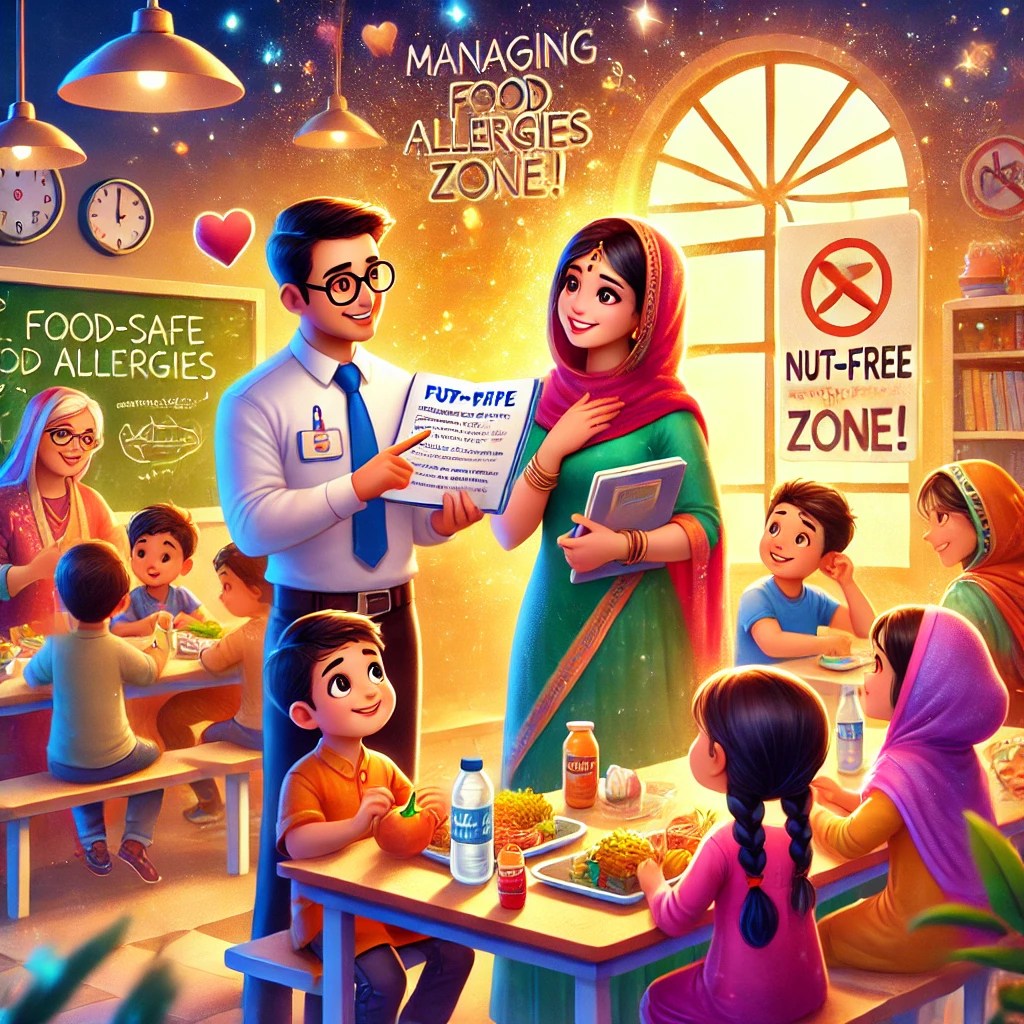
Managing food allergies is a collective effort. Parents should educate caregivers, teachers, and friends about their child’s allergies, how to recognize symptoms, and how to respond in an emergency. Schools should implement policies to accommodate children with food allergies, such as nut-free zones or allergy-safe lunch areas.
Hope for the Future
Ongoing research in immunotherapy and allergy prevention strategies offers hope for reducing the prevalence and severity of food allergies in children. With growing awareness and medical advancements, children with food allergies can lead safe and fulfilling lives.

Final Thoughts As food allergies continue to rise, awareness, preparedness, and education remain key. Parents play a vital role in protecting their children by staying informed, working closely with healthcare providers, and advocating for a safe environment at home and school. By taking proactive steps, we can help children with food allergies thrive and live worry-free lives.


 The Life Navigator