
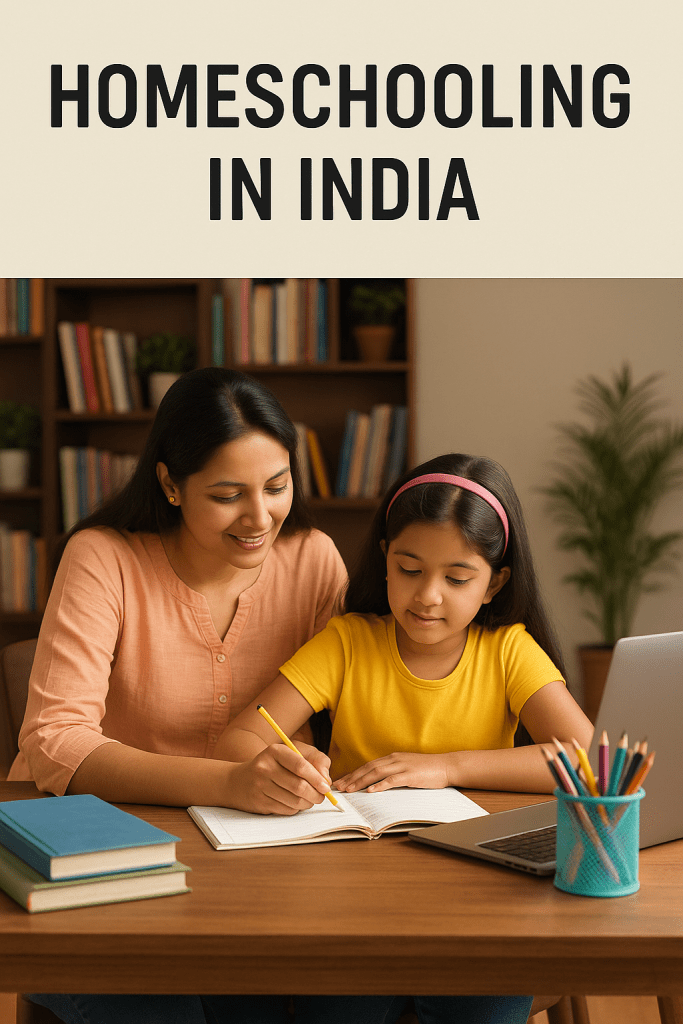
Homeschooling involves parents or guardians taking direct responsibility for their children’s education at home, rather than enrolling them in traditional schools. This approach allows for customized learning experiences tailored to a child’s unique pace, interests, and needs.
⚖️ Legal Framework
Homeschooling is legally permissible in India. The Right to Education (RTE) Act of 2009 mandates free and compulsory education for children aged 6 to 14 but does not specify the mode of education, thereby allowing for homeschooling. However, the act does not formally recognize homeschooling, leading to some ambiguity. Despite this, the Ministry of Human Resource Development has clarified that parents are free to educate their children at home, and there is no requirement to register with government authorities. Wikipedia+621K School United States+6@EconomicTimes+6HSLDA+3@EconomicTimes+3PUNE PULSE – Trusted-Connected-Targeted+3HSLDA
🌟 Emerging Trends in 2025
- Online Homeschooling Platforms: The rise of online platforms like Dreamtime Learning School has made homeschooling more accessible, offering structured curricula aligned with national and international standards. Dreamtime Learning School+2Dreamtime Learning School+2Dreamtime Learning School+2
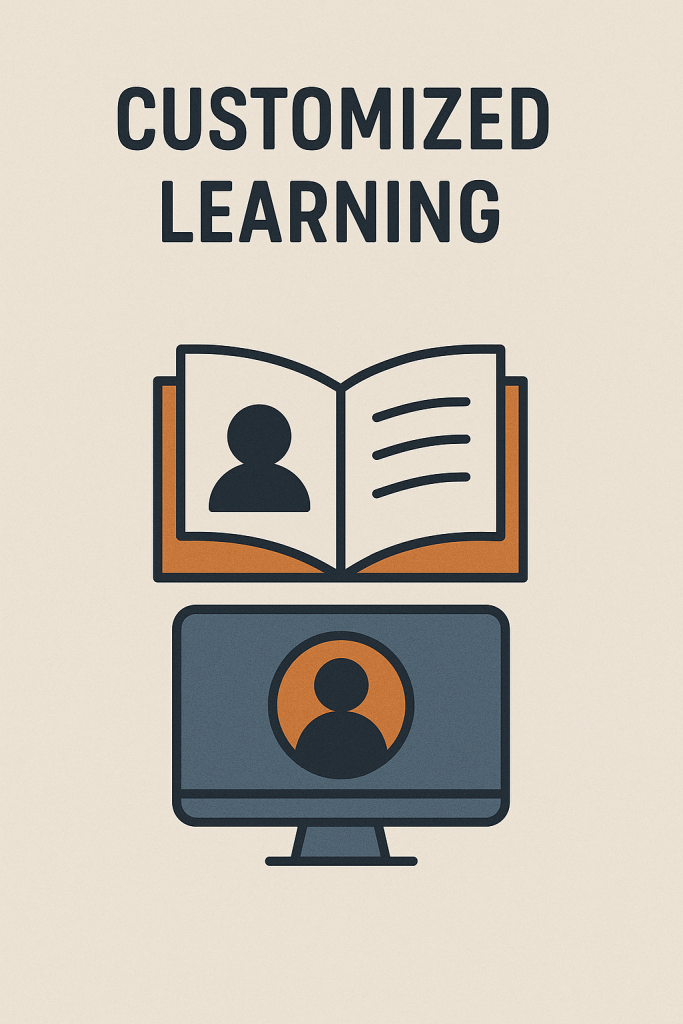
- Artificial Intelligence (AI) Integration: AI-powered tools are being utilized to create personalized learning experiences, adapting content to suit individual student needs and providing instant feedback. Apni Pathshala –+1Dreamtime Learning School+1
- Mobile-First Learning: With widespread smartphone usage, especially in rural areas, mobile-first educational resources are enabling students to learn effectively without the need for expensive infrastructure. Apni Pathshala –
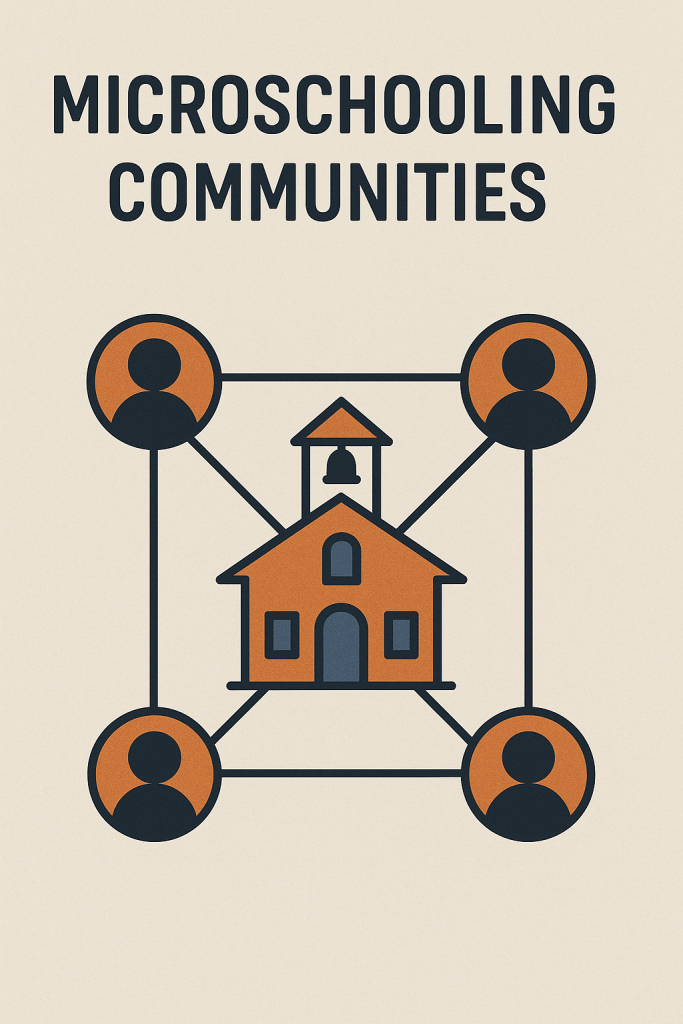
- Microschooling Communities: Parents are forming small, community-based learning groups known as microschools, where children learn collaboratively in a more flexible and personalized environment. Apni Pathshala –+1Apni Pathshala –+1
✅ Advantages of Homeschooling
- Customized Learning: Tailoring education to a child’s strengths and interests.21K School United States
- Flexible Scheduling: Allowing families to set their own routines and learning paces.Dreamtime Learning School+621K School United States+6Dreamtime Learning School+6

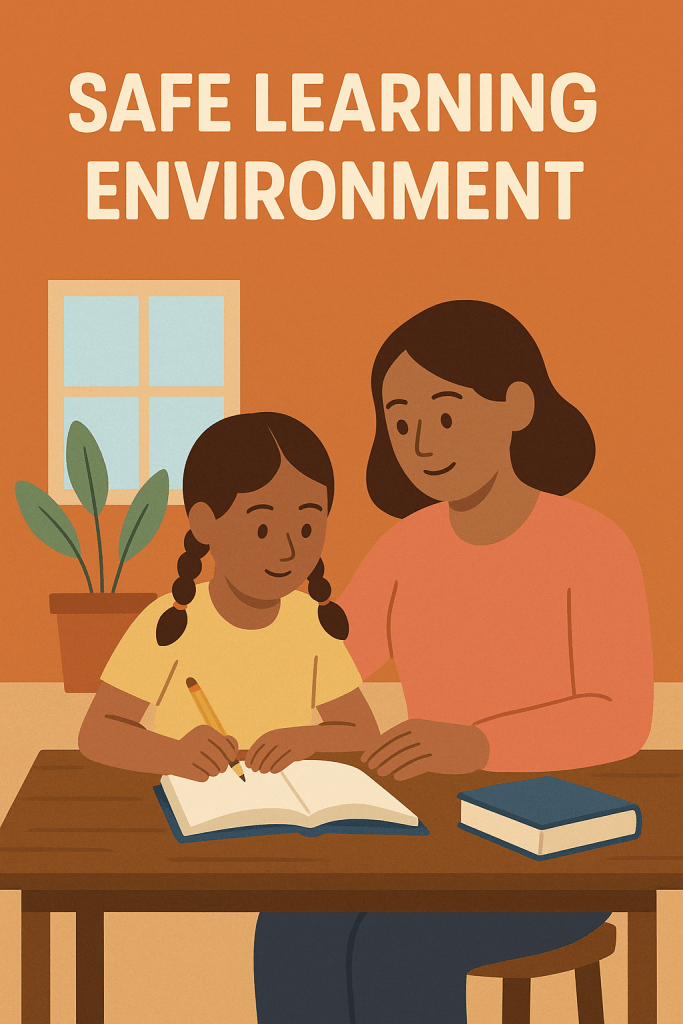
- Safe Learning Environment: Providing a secure space free from bullying and peer pressure.Hopscotch.India
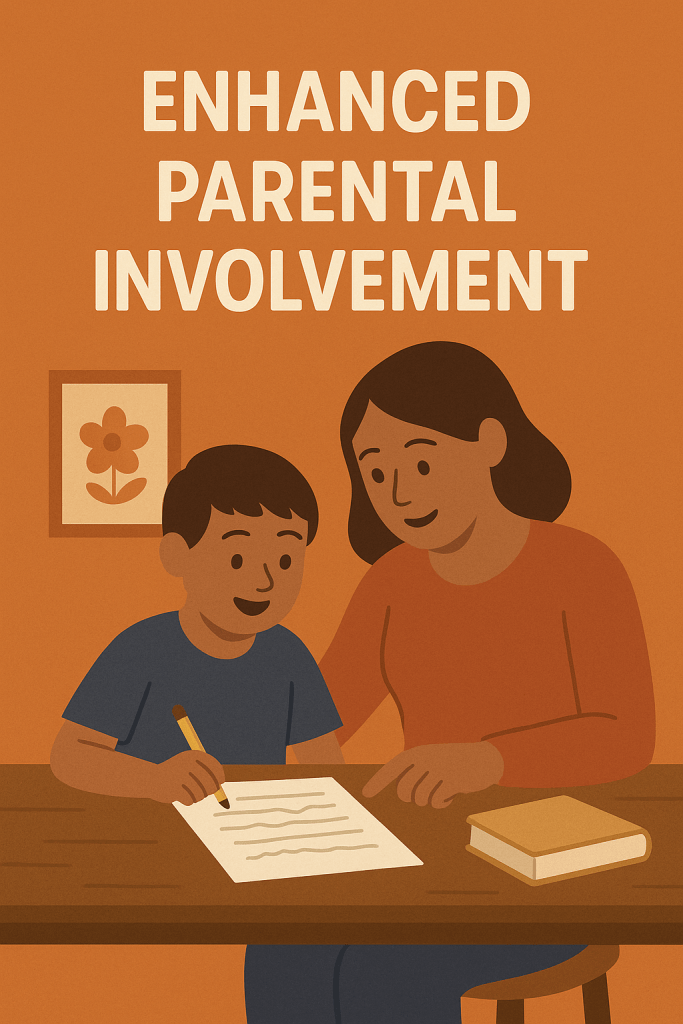
- Enhanced Parental Involvement: Encouraging active participation in a child’s educational journey.
⚠️ Challenges to Consider
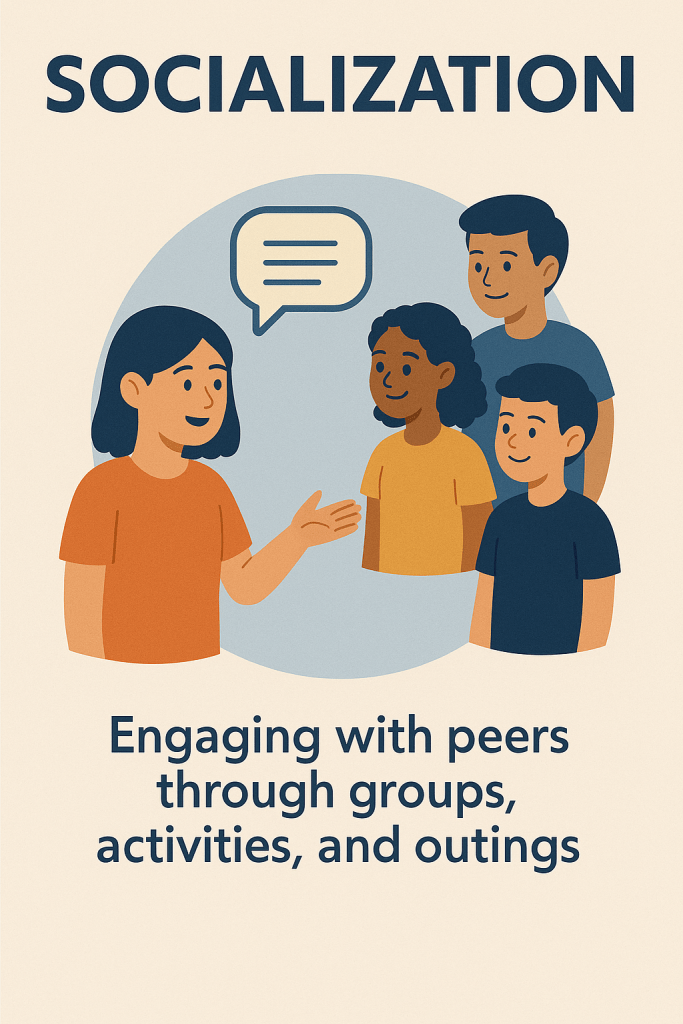
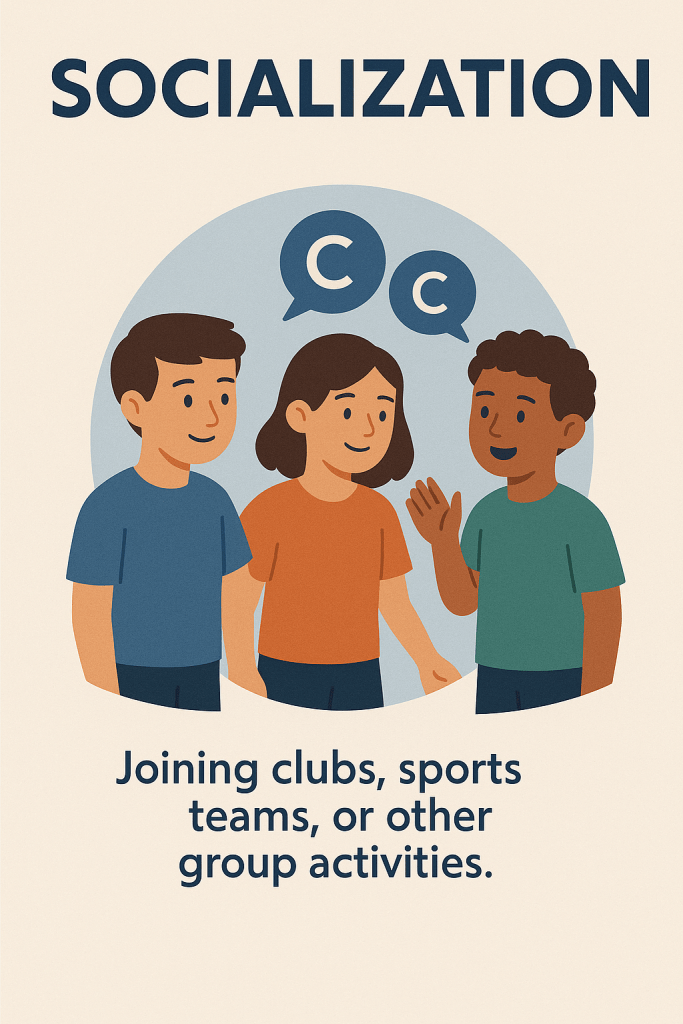
- Socialization: Ensuring children have opportunities to interact with peers and develop social skills.
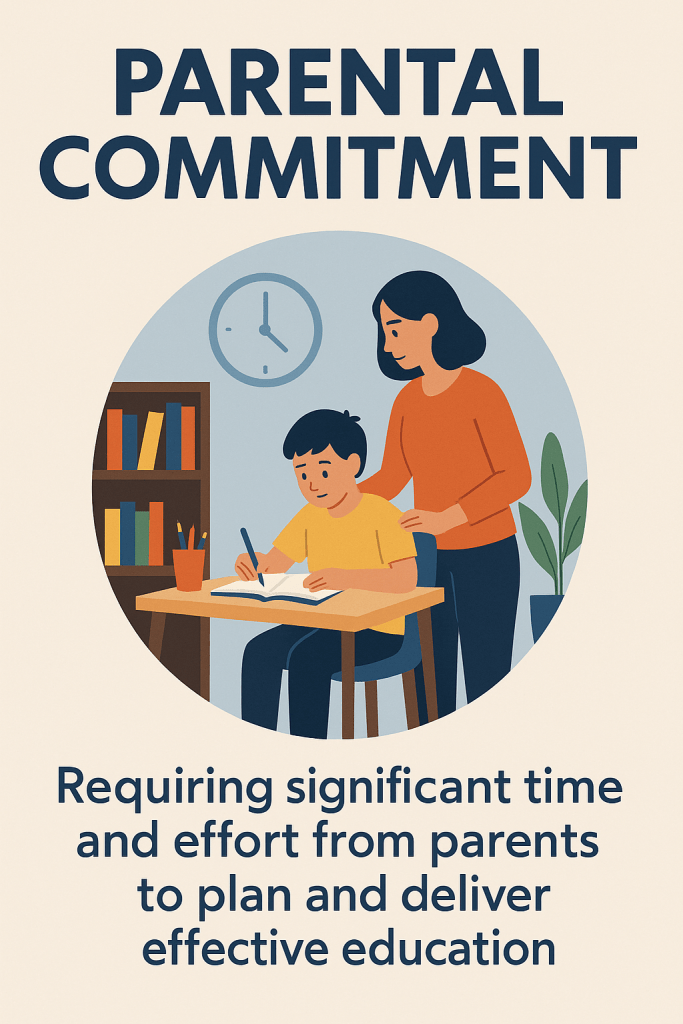
- Parental Commitment: Requiring significant time and effort from parents to plan and deliver effective education.
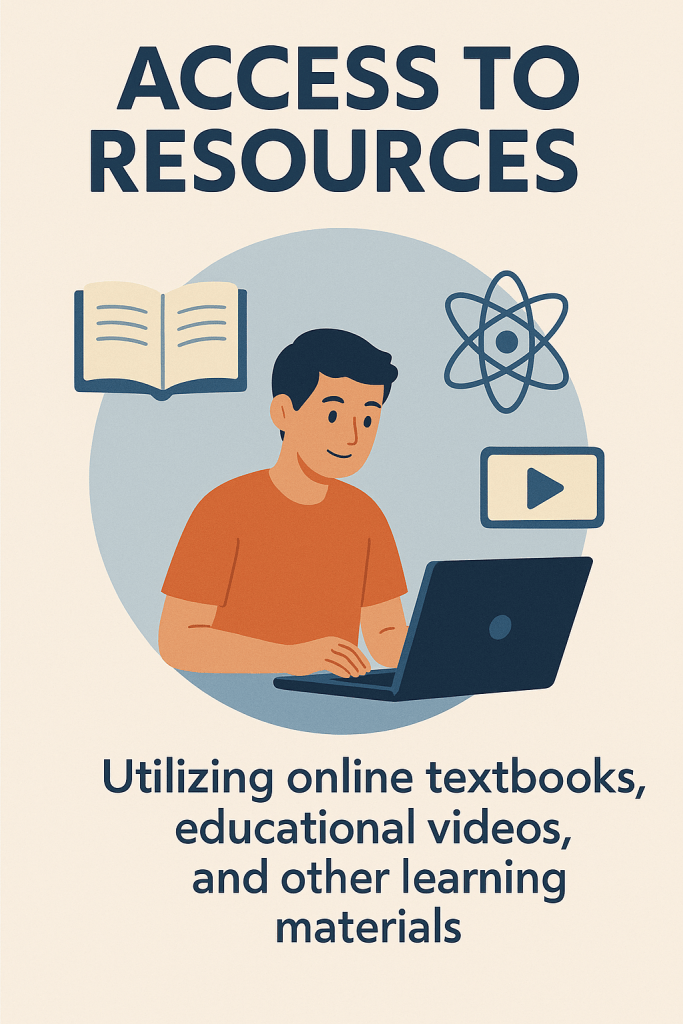
- Access to Resources: Providing adequate educational materials and exposure to diverse learning experiences.
- Recognition and Certification: Navigating the process of obtaining recognized qualifications through bodies like the National Institute of Open Schooling (NIOS).HSLDA+3PUNE PULSE – Trusted-Connected-Targeted+3@EconomicTimes+3
📰 Recent Developments
- India Today reports that homeschooling is gaining popularity among Indian parents seeking flexible education options that allow children to learn at their own pace.
- Dreamtime Learning School highlights the increasing preference for online homeschooling in India, emphasizing benefits like personalized learning and accessibility.
- Apni Pathshala discusses the rise of microschooling in India, where small groups of students learn together in community settings, offering a blend of homeschooling and traditional schooling benefits.
🧭 Conclusion
Homeschooling in India is evolving, offering families an alternative to traditional education systems. With legal permissibility and the advent of supportive technologies and communities, parents have more options than ever to tailor education to their children’s needs. However, it’s essential to weigh the benefits against the challenges to make informed decisions that best support a child’s development.


 The Life Navigator