
The culinary landscape in 2025 is redefining how we eat, blending indulgence with wellness, and tradition with innovation. This year’s top food trends highlight playful high-low pairings, international snacking inspirations, and a stronger-than-ever focus on gut health—all wrapped in a commitment to sustainability.
High-Low Pairings: Comfort Meets Luxury
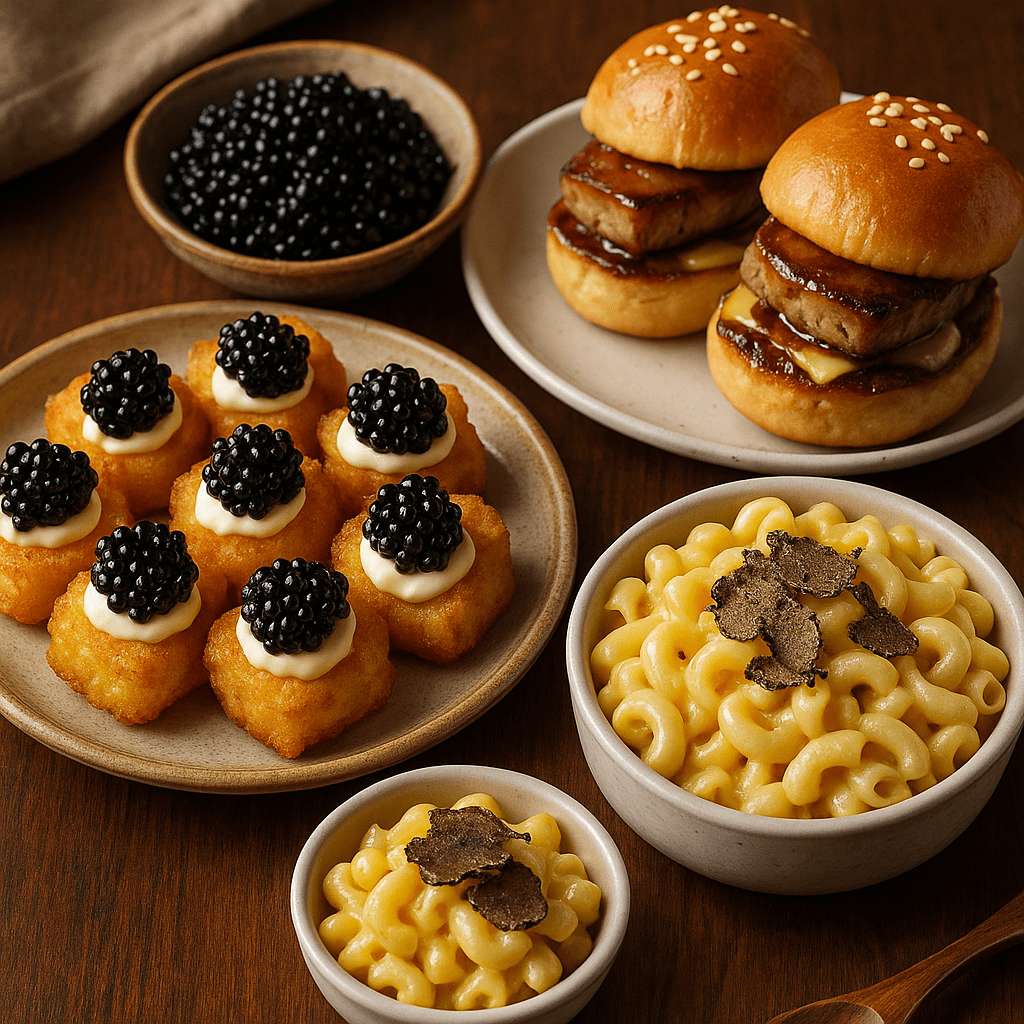
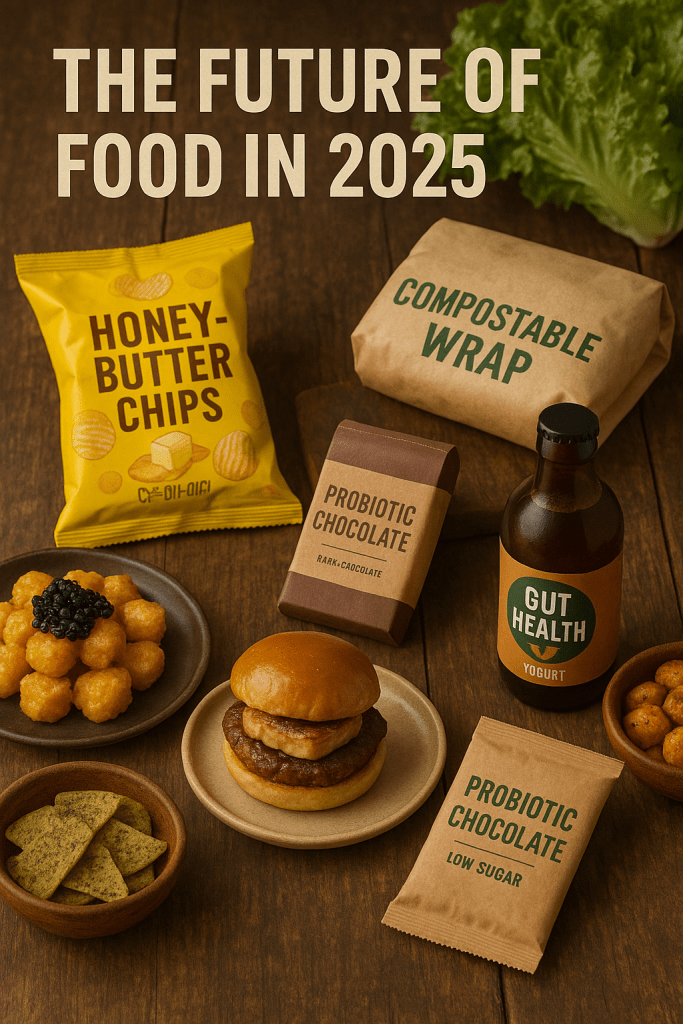
Food in 2025 is less about choosing between fine dining and casual bites—it’s about combining both. Chefs and home cooks alike are embracing “high-low pairings” that put luxury ingredients into familiar comfort foods. Think caviar-topped tater tots, foie gras sliders, or truffle-laced mac and cheese. This approach makes fine ingredients more approachable while giving nostalgic dishes a glamorous twist.
The appeal lies in experience: diners want both the comfort of childhood classics and the thrill of indulgence, without the formality of traditional fine dining.
Global Snacks Go Mainstream
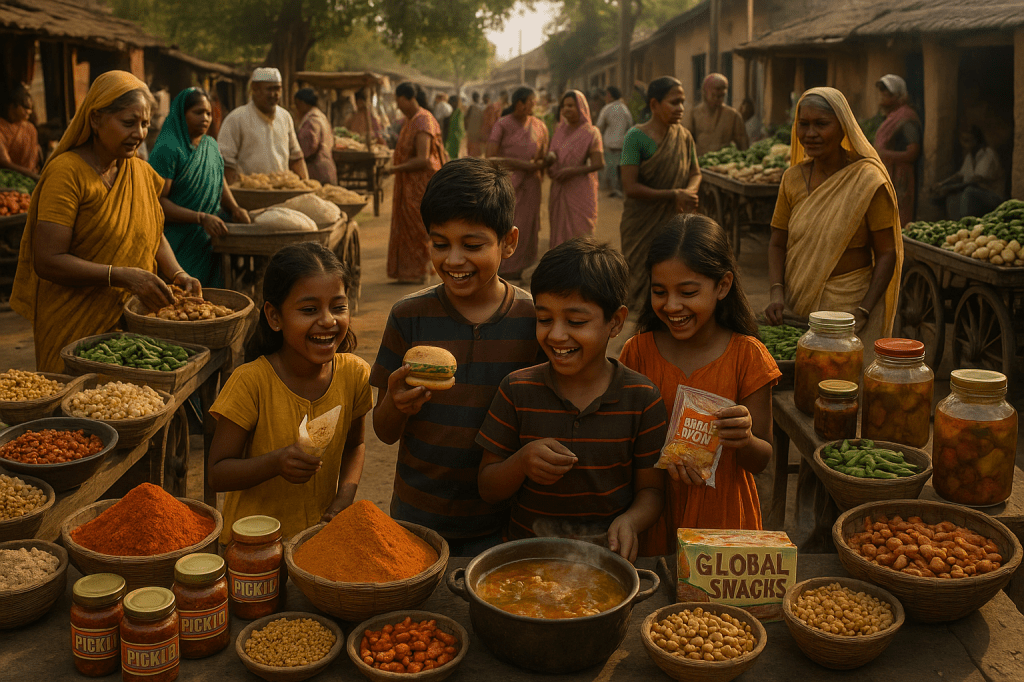
Snacking continues to dominate eating habits, and in 2025, global flavors take center stage. From Korean honey-butter chips to Mexican chili-lime peanuts and Middle Eastern za’atar crisps, snack aisles and restaurant menus are increasingly infused with cross-cultural influences.
The rise of global snacks reflects a growing appetite for exploration through flavor. With more consumers exposed to international cuisines via travel, streaming, and social media, the demand for authentic yet accessible snack foods has exploded.

Gut Health and Wellness-Driven Foods
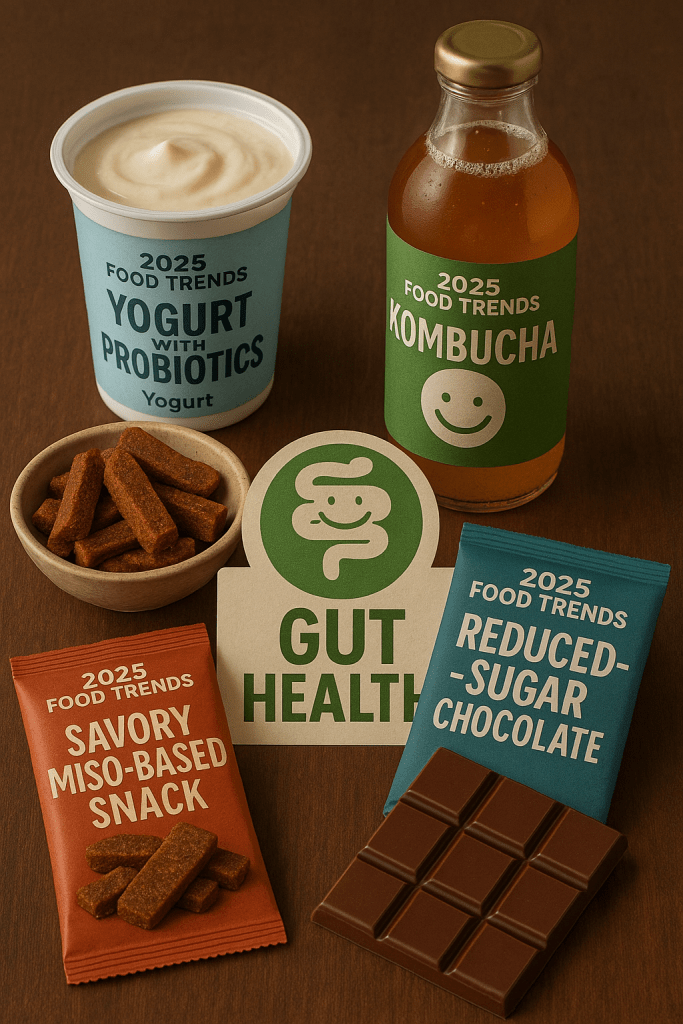
If 2024 was the year of protein, 2025 belongs to the gut. Probiotic-rich foods, prebiotic fibers, and reduced-sugar offerings are surging in popularity. Yogurts, kombuchas, and kefir are expanding into new formats—think probiotic chocolate, functional sodas, and savory miso-based snacks.
Consumers are increasingly aware of the link between gut health and overall well-being, from digestion to mental health. This has created momentum not just for functional foods, but also for “stealth health” reformulations that reduce sugar without sacrificing taste.
Sustainability in Every Bite
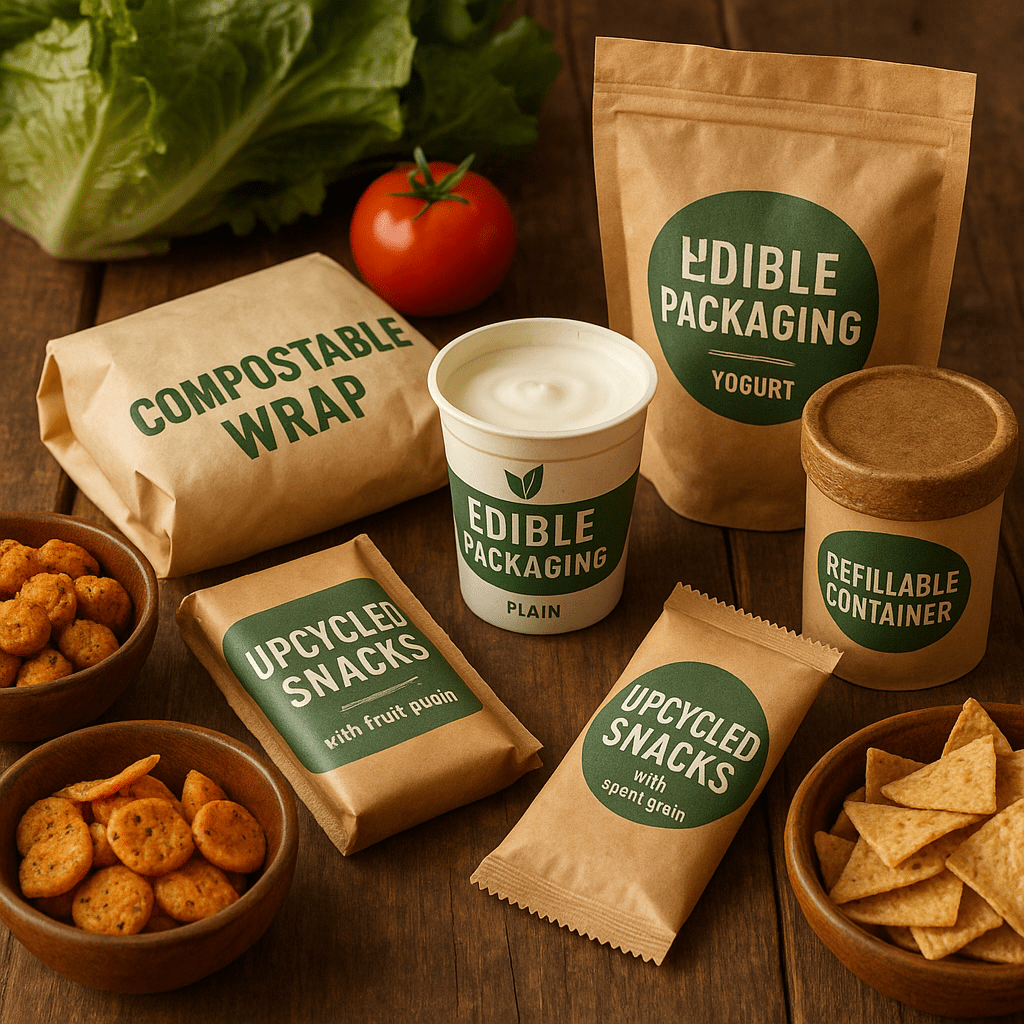
Alongside flavor and function, sustainability remains a cornerstone of 2025 food innovation. Brands are ditching single-use plastics for compostable wraps, edible packaging, and refillable containers. At the same time, the push for upcycled ingredients—using food byproducts like spent grain, coffee husks, or fruit pulp in new snacks—is becoming standard practice.
The emphasis is clear: consumers want eco-conscious choices that don’t compromise on taste or convenience.
The Future of Food in 2025
This year’s trends show a dining culture that’s both playful and purposeful. High-low pairings remind us that luxury can be fun. Global snacks bring the world closer through flavor. Gut health innovations align indulgence with wellness. And sustainability ensures food pleasure today doesn’t come at tomorrow’s expense.
In short, the food scene of 2025 is about balance—between indulgence and health, comfort and adventure, convenience and responsibility.


 The Life Navigator