

Introduction
Every parent hopes their child grows into a kind, caring, and generous adult. But generosity doesn’t just “happen”—it is taught, modeled, and practiced. Raising generous humans means helping kids understand the joy of giving, the importance of empathy, and the value of thinking beyond themselves. Here are some practical ways parents can nurture generosity at home.
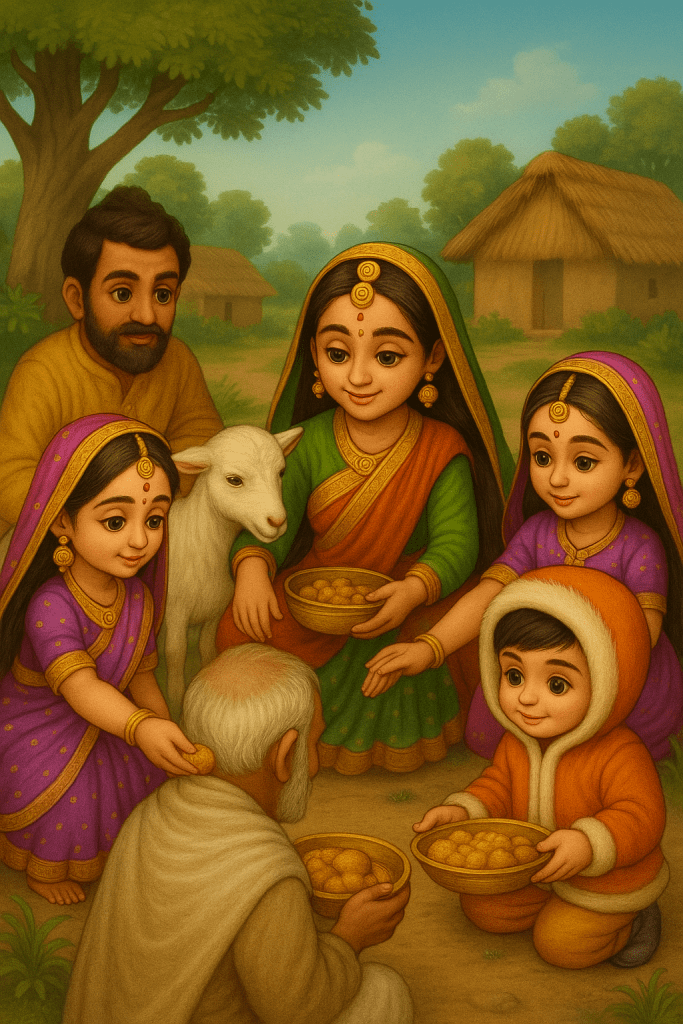
1. Model Generosity Every Day
Children watch what you do far more than they listen to what you say.
- Let them see you share food with a neighbor, hold the door for someone, or donate to a cause.
- Narrate your choices: “I’m giving this because I know it will help someone.”
- Involve your kids when possible: “Want to come with me to drop this off for Grandma?”

2. Start with Small Acts of Kindness
Generosity doesn’t have to be big to matter. Encourage children to:
- Share a snack or toy with a sibling.
- Write thank-you notes to teachers or relatives.
- Offer to help set the table or carry groceries.
These small habits build a generous mindset that becomes second nature.

3. Create Family Giving Traditions
Make generosity part of your family’s rhythm.
- Toy Rotation: Before birthdays or holidays, ask kids to choose toys they no longer use to donate.
- Holiday Giving Jar: Collect spare change throughout the year, then let children help decide where to donate it.
- Volunteer Together: Join a food drive, community cleanup, or charity walk as a family activity.

4. Teach Empathy Through Conversation
Empathy fuels generosity. Use everyday moments to talk about others’ feelings:
- “How do you think your friend felt when that happened?”
- “If you were in their shoes, what would you want someone to do?”
Encourage children to connect generosity with understanding others’ needs.
5. Celebrate Effort, Not Just Outcome
When your child shows generosity, praise the thought and care behind it:
- Instead of: “That was nice of you to share.”
- Try: “I saw you noticed your sister was upset and gave her your toy. That was very thoughtful.”
This reinforces intrinsic motivation rather than external rewards.


6. Guard Against the “What’s in It for Me?” Mentality
In a world of rewards and recognition, help kids see generosity as valuable in itself.
- Avoid over-rewarding giving behaviors with prizes.
- Emphasize how their actions made someone else feel good—and how that is the reward.

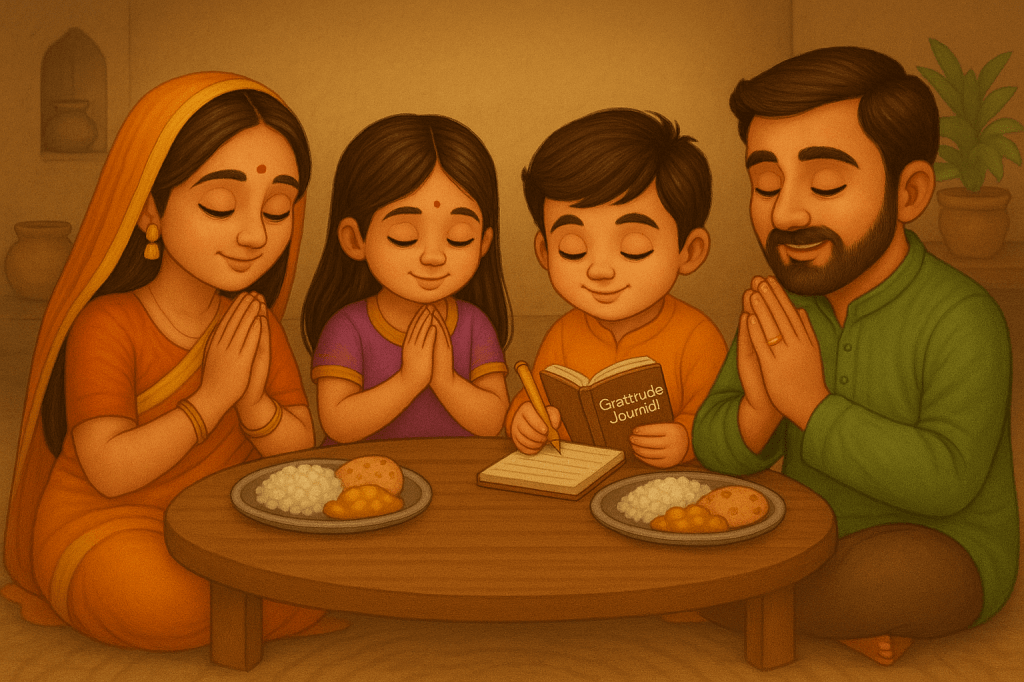
7. Practice Gratitude as a Family
Generosity grows from gratitude. Try:
- Gratitude Journals: Write down three things you’re thankful for each day.
- Dinner Table Rituals: Everyone shares one thing they appreciated that day.
Grateful children are more likely to recognize their abundance and share it.
Conclusion
Raising generous humans is about weaving kindness, empathy, and giving into everyday family life. Through modeling, traditions, and daily practices, parents can nurture children who not only understand generosity but also live it joyfully.
When kids learn early that giving enriches both the giver and the receiver, they grow into adults who make compassion and generosity part of who they are—and part of the world they help shape.



 The Life Navigator