
In the modern classroom and study space, the mobile phone is ubiquitous. For students, it is no longer just a communication device; it is a library, a calculator, a camera, and a portal to the world. However, like any powerful tool, it comes with risks.
Is your phone a “pocket classroom” or a “digital distraction”? The difference lies entirely in how it is used. Here is a breakdown of the good and bad uses of mobile phones for students.
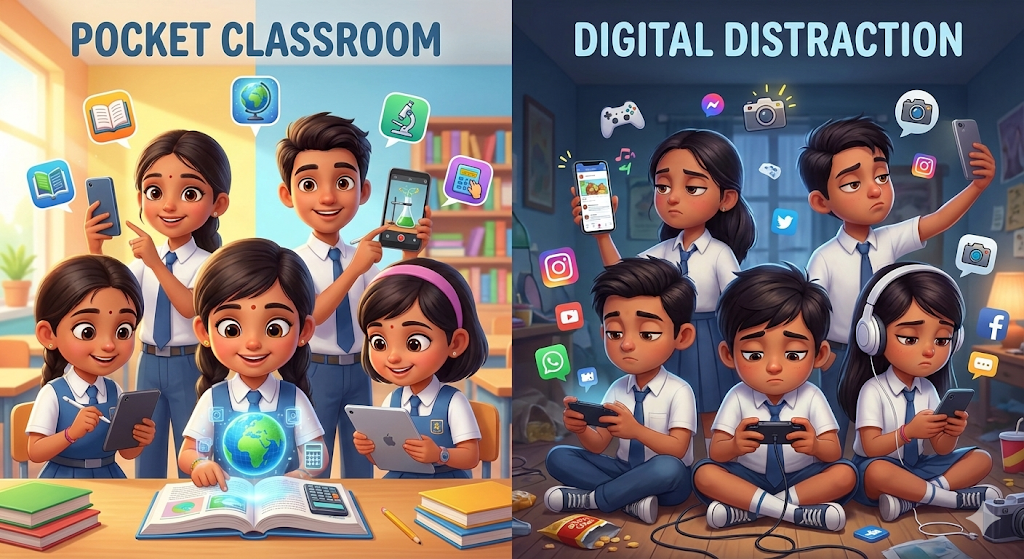
The Good: The Pocket Classroom
When used intentionally, a smartphone is arguably the most powerful educational tool ever invented.
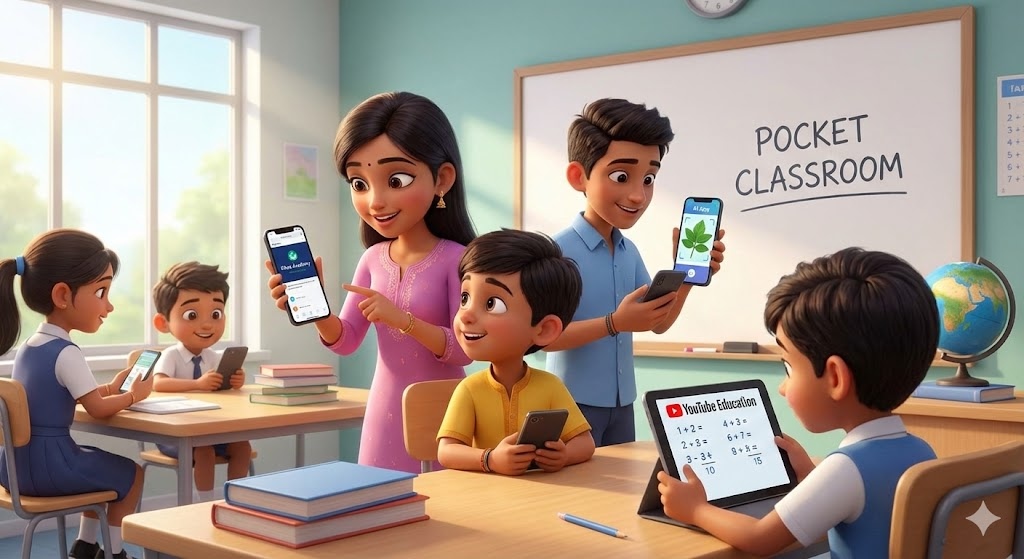
1. Instant Access to Knowledge
Gone are the days of spending hours searching through library stacks for a single fact.
- Research: Students can clarify doubts instantly using search engines or AI tools.
- Educational Resources: Access to platforms like Khan Academy, Coursera, or YouTube Education allows students to learn complex topics visually and at their own pace.
2. Organization and Productivity
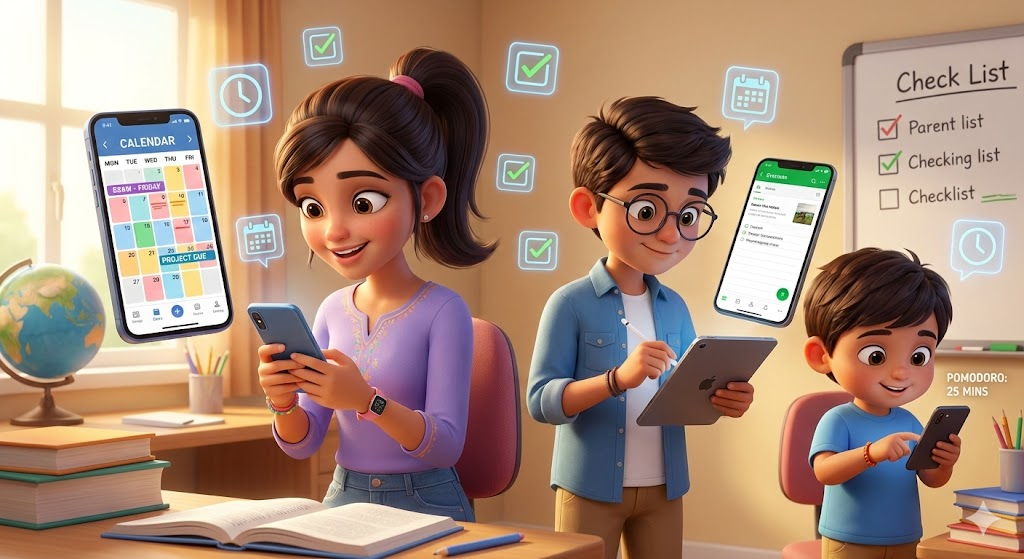
A phone can act as a personal secretary, helping students manage the chaos of assignments and exams.
- Scheduling: Using Calendar apps to track exam dates and submission deadlines.
- Note-taking: Apps like Evernote or Notion allow for syncing notes across devices, ensuring study material is never lost.
- Reminders: Setting alarms for study intervals (like the Pomodoro technique).
3. Skill Development
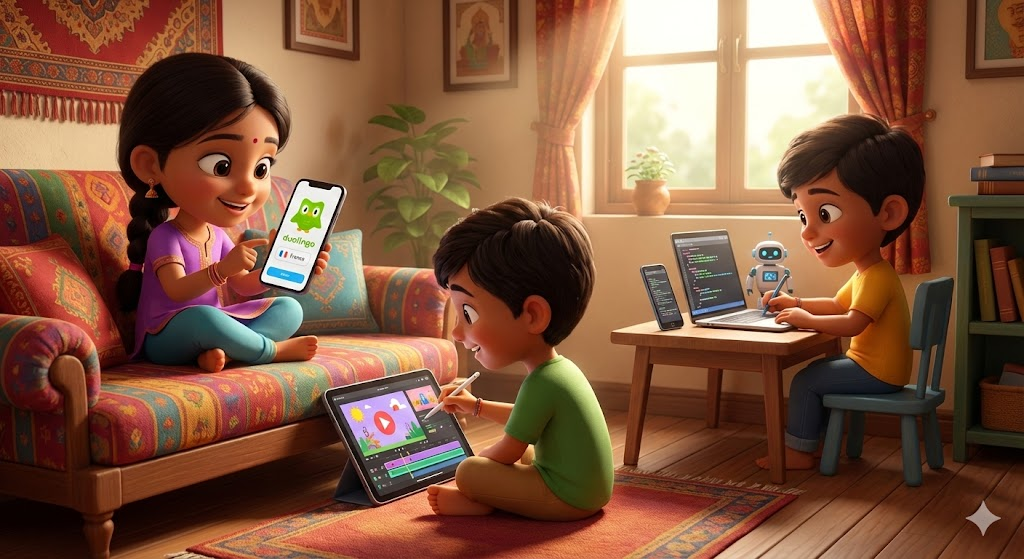
Beyond standard academics, phones foster creativity and practical skills.
- Language Learning: Apps like Duolingo make learning a new language gamified and accessible.
- Creativity: Students can learn video editing, graphic design, or coding directly on their devices.
The Bad: The Digital Trap
Despite the benefits, the mobile phone is designed to be addictive. When discipline slips, the tool becomes a hindrance.
1. The “Procrastination Engine”
The biggest enemy of a student is the loss of focus.
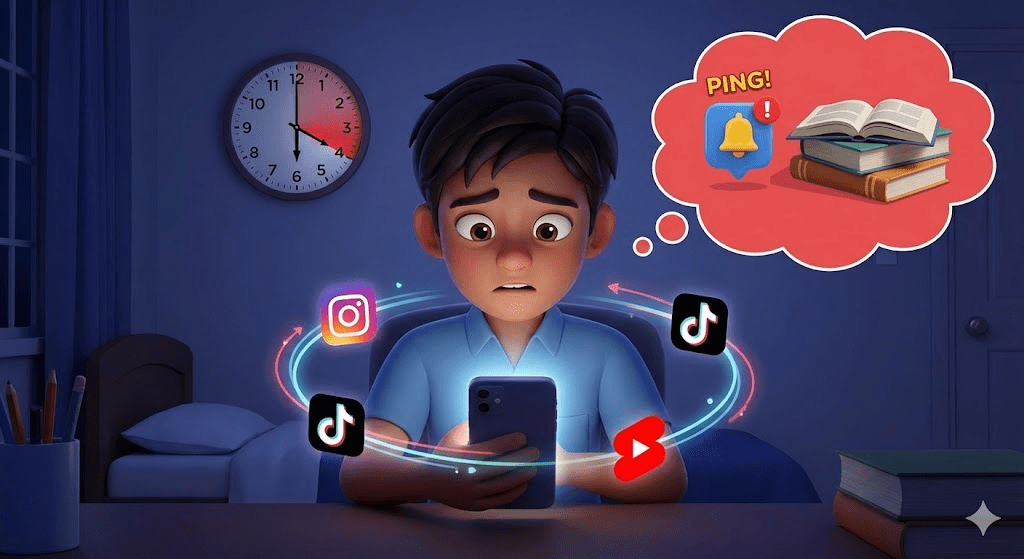
- Social Media Loops: Scrolling through Instagram, TikTok, or YouTube Shorts can turn a 5-minute break into a 2-hour loss of time.
- Notification Anxiety: The constant “ping” of messages breaks concentration, making “Deep Work” (focused, high-quality studying) nearly impossible.
2. Health and Sleep Disruption
Physical well-being is crucial for academic performance, and phones often sabotage this.
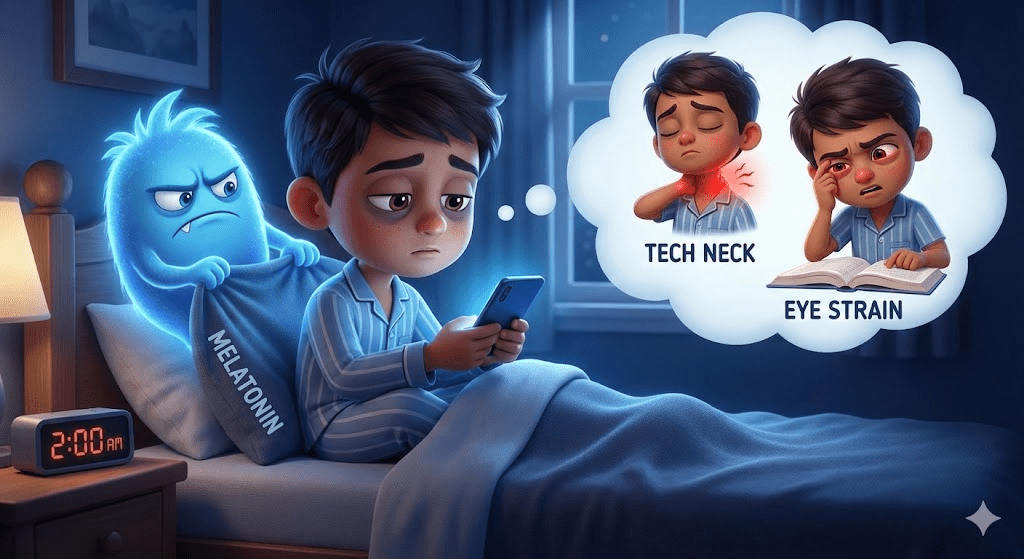
- The Sleep Thief: The blue light emitted by screens suppresses melatonin (the sleep hormone). Using a phone late at night leads to poor sleep quality and a lack of focus the next day.
- Physical Strain: “Tech neck” (strain from looking down) and eye strain are becoming common issues among young students.
3. Academic Dishonesty
While phones provide information, they can also provide shortcuts that bypass learning.
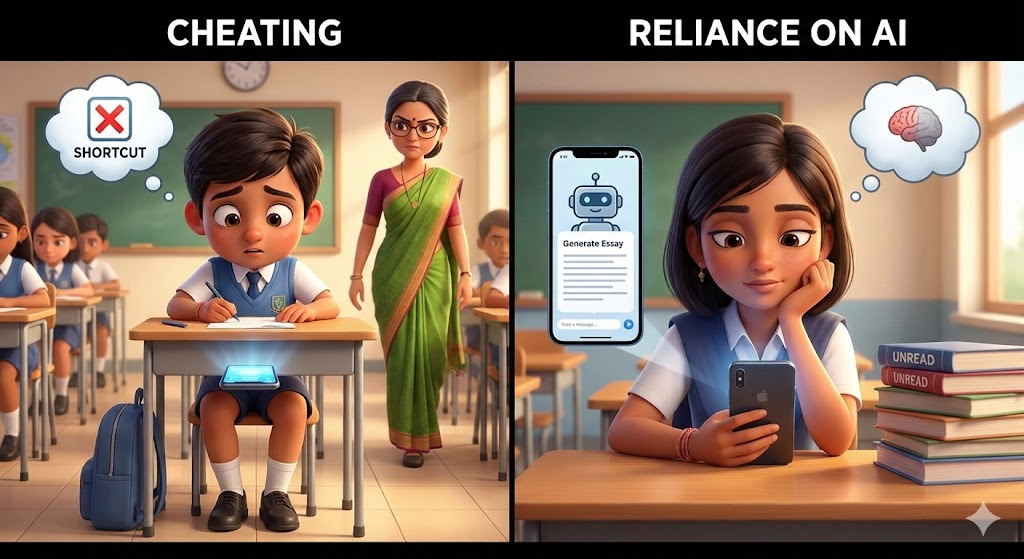
- Cheating: Using phones to find answers during tests or copying homework without understanding the concept rob the student of the actual learning process.
- Reliance on Spellcheck/AI: Over-reliance on tools to write essays or solve math problems can weaken a student’s fundamental critical thinking and writing skills.
How to Strike the Balance
The goal isn’t to ban the phone, but to tame it. Here are three strategies for students:
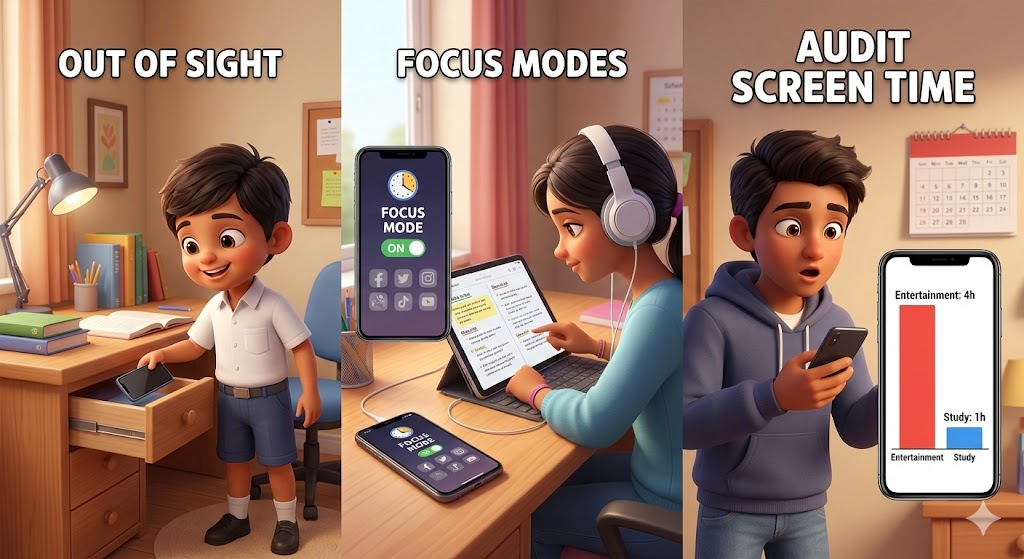
- The “Out of Sight” Rule: When studying, put the phone in another room or a drawer. If you can’t see it, you are less likely to check it.
- Use Focus Modes: Most phones have a “Do Not Disturb” or “Focus” mode that blocks social media apps during school hours or study sessions.
- Audit Your Screen Time: Check your weekly report. If you spend 4 hours on entertainment and 1 hour on study apps, it’s time to recalibrate.
Conclusion
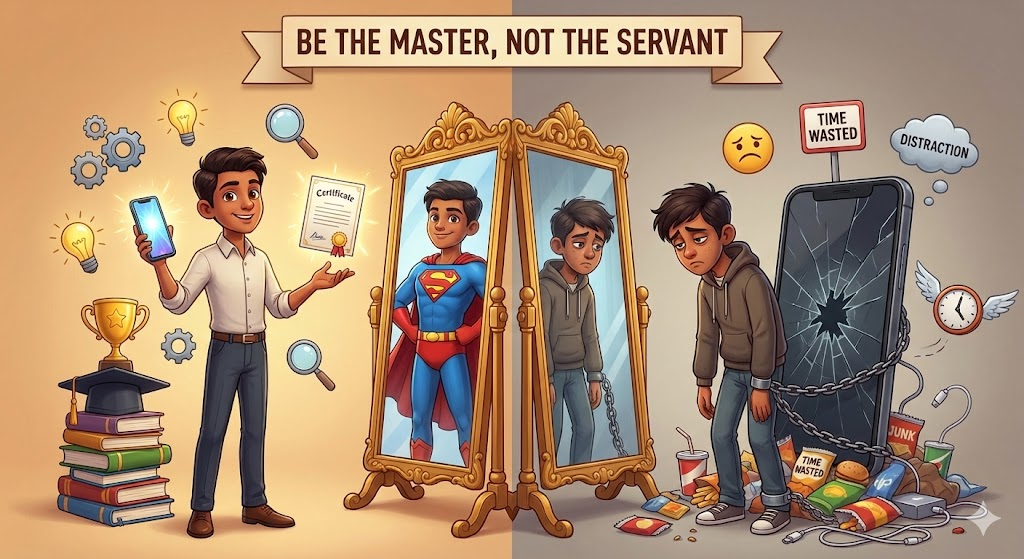
A mobile phone is neither inherently good nor bad; it is a mirror of the user’s discipline. For a student, it can be the key to unlocking top grades and new skills, or the anchor that drags down their potential. The secret to success isn’t the device itself—it is the decision to be the master of technology, rather than its servant.


 The Life Navigator