
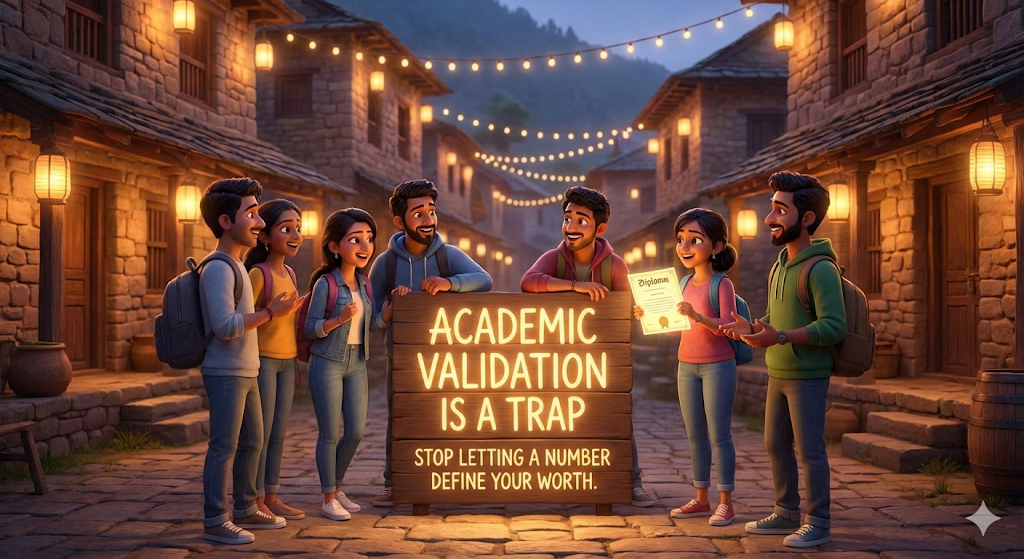
Let’s be real for a second. There is a very specific, very addictive drug circulating on college campuses. It’s not sold behind the dorms; it’s handed out on Canvas and Blackboard.
It’s the dopamine hit of seeing an “A.”
We have been conditioned since kindergarten to believe that Good Grades = Good Person. We chase that high, pulling all-nighters, running on iced coffee and anxiety, terrified of the inevitable crash that comes with a B-minus.
This is the academic validation trap. And it’s time to break out.

The Great Lie of Hustle Culture
Hustle culture tells you that if you aren’t suffering for your success, you don’t deserve it. It tells you that sleep is for the weak and that your GPA is a direct reflection of your future potential.
Here is the truth: Your GPA is a reflection of how well you took tests in a specific subject during a specific 15-week period of your life. That’s it.
It doesn’t measure your kindness, your creativity, your resilience, or your ability to solve actual problems in the real world. When you tie your self-worth to a number that can change based on a professor’s mood or a tricky multiple-choice question, you are signing up for an emotional rollercoaster you can’t control.
Detach and Breathe
Failing a test does not mean you are a failure of a human being. It just means you failed a test.
Detaching your worth from your grades doesn’t mean you stop trying. It means you stop letting the outcome dictate your happiness. It means recognizing that you are a whole person outside of the classroom. You are a friend, an artist, an athlete, a gamer, a volunteer.
Your degree is just one part of your story. Don’t let it become the whole book

The Wellness Check-In
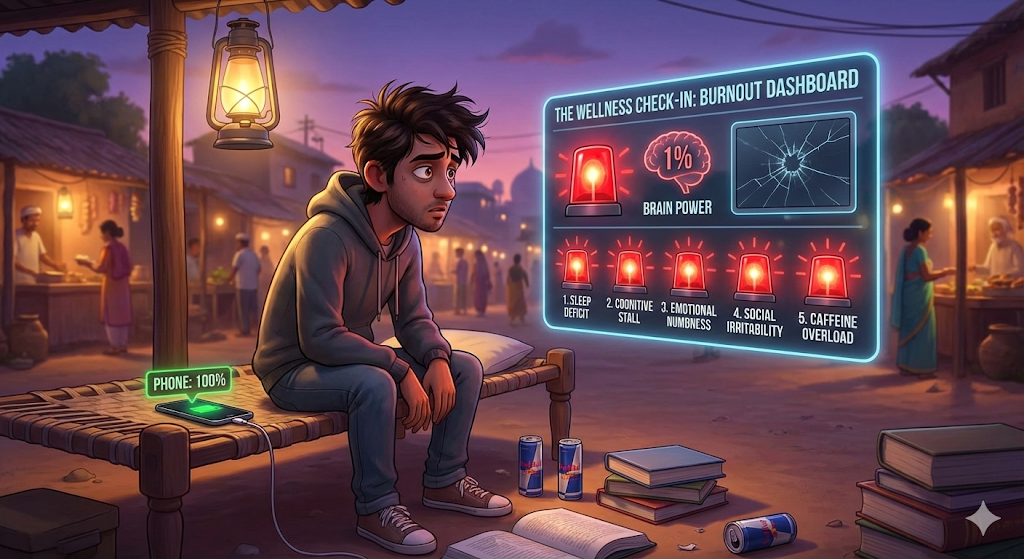
Your Personal ‘Burnout’ Dashboard: 5 Red Lights That Mean Stop Studying IMMEDIATELY
We treat our phones better than we treat our brains. When your phone hits 1% battery, you panic and find a charger. When your brain hits 1%, you down another energy drink and force it to read another chapter on macroeconomic theory.
Humans have dashboards, too. We have warning lights that flash when our systems are overheating. The problem is, in a culture obsessed with “pushing through,” we’ve learned to put tape over those warning lights.
If you are experiencing these five signs, your check engine light is screaming. It’s time to pull over.
The 5 Warning Lights on Your Dashboard:
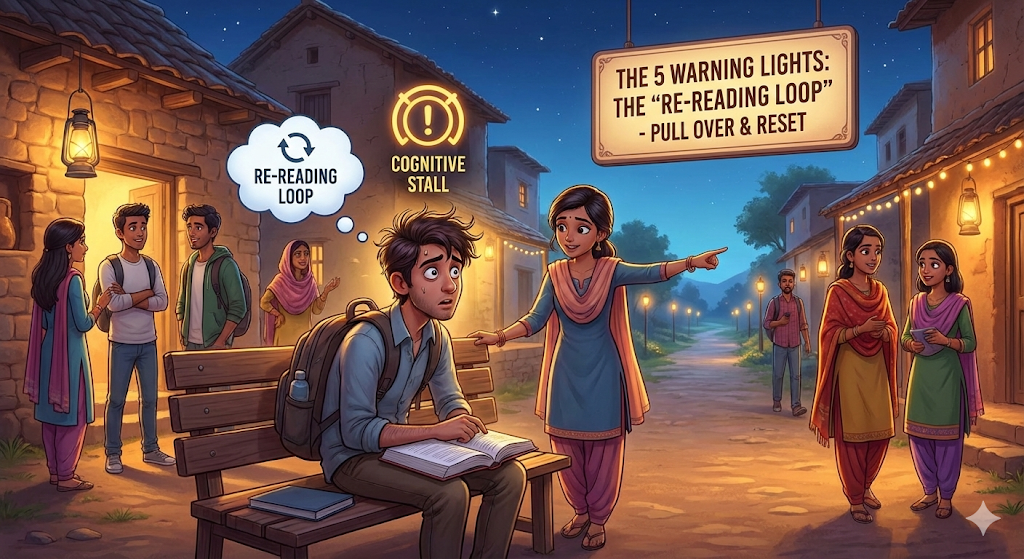
1. The “Re-reading Loop” (Cognitive Stall) You’ve read the same paragraph four times, and you still have absolutely no idea what it said. Your eyes are moving, but your brain has left the building.
- The Fix: Stop. Your brain’s intake valve is closed. Ten more minutes won’t help. Go walk outside for 15 minutes to reset.
2. The Numbness Factor (Emotional Overheat) You used to care about getting good grades. Now? You just feel… nothing. Apathy is a major defense mechanism against overwhelming stress. When you stop caring about things you usually love, you’re entering the burnout zone.
- The Fix: Disconnect from academics completely for an evening. Do something purely for joy, not productivity.

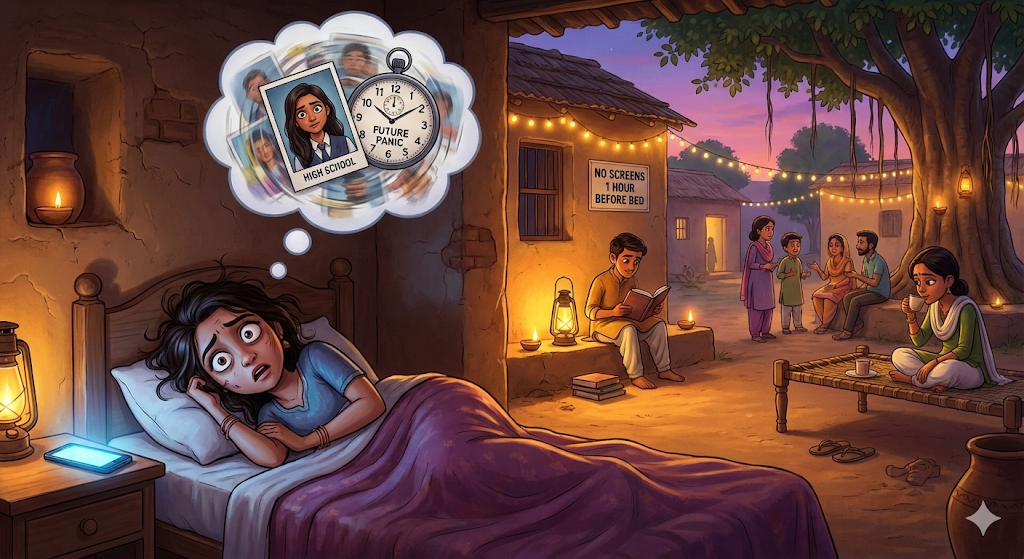
3. The Sleep Sabotage (System Malfunction) You are exhausted all day, but the second your head hits the pillow, your brain decides it’s prime time to replay every embarrassing moment from high school or panic about the future.
- The Fix: No screens one hour before bed. Seriously. Your brain needs a winding-down routine that doesn’t involve blue light.
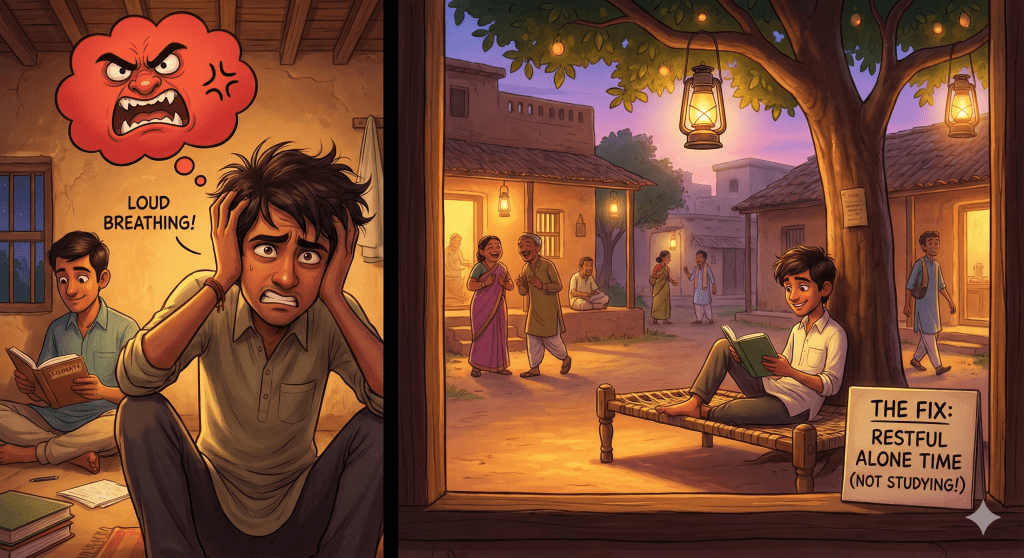
4. Instant Irritability (Social Friction) Your roommate breathing too loudly suddenly fills you with rage. You’re snapping at your friends and hiding in your room. Burnout shrinks your window of tolerance for other people.
- The Fix: Alone time that is restful, not just studying in isolation.
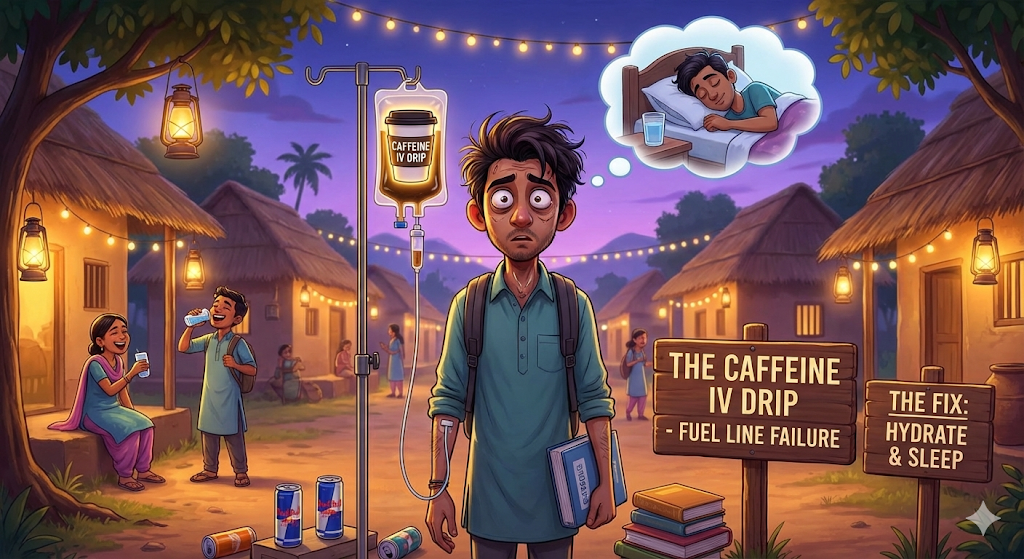
5. The Caffeine IV Drip (Fuel Line Failure) You aren’t drinking coffee because you enjoy it; you are drinking it to survive. If you need chemicals just to reach a baseline level of functioning, your natural energy reserves are tapped out.
- The Fix: Hydrate with water and prioritize an extra hour of actual sleep instead of artificial energy.
Future-Proofing Your Degree
Eco-Anxiety is Real. Here’s Why Gen Z is Turning Panic into ‘Green Degrees’.
It’s hard to focus on Midterm #2 when your social media feed is a constant stream of wildfires, melting ice caps, and warnings about the point of no return.
This is “eco-anxiety.” For college students today, it’s a low-level hum in the background of everything we do. It leads to a massive existential question: Why am I studying for a traditional career path when the future of the planet feels so uncertain?
For many, the answer is to stop ignoring the anxiety and start using it as fuel. We aren’t just looking for jobs anymore; we’re looking for a life raft for the planet.

The Rise of the “Green Degree”
Students are increasingly ditching generic business or marketing paths for degrees focused on sustainability and climate impact. But here’s the cool part: a “green degree” isn’t just Environmental Science anymore.
Sustainability is infiltrating every major.
- The Green Business Major: It’s no longer just about profit; it’s about the triple bottom line: People, Planet, and Profit. Students are demanding courses on circular economies and ethical supply chains.
- Sustainable Fashion/Design: Instead of fuelling fast fashion, students are learning how to design with recycled materials, reduce waste, and create closed-loop systems.
- Urban Planning & Architecture: It’s about designing cities that aren’t dependent on cars, creating green roofs, and building resilient infrastructure for a changing climate.

Choosing Agency Over Despair
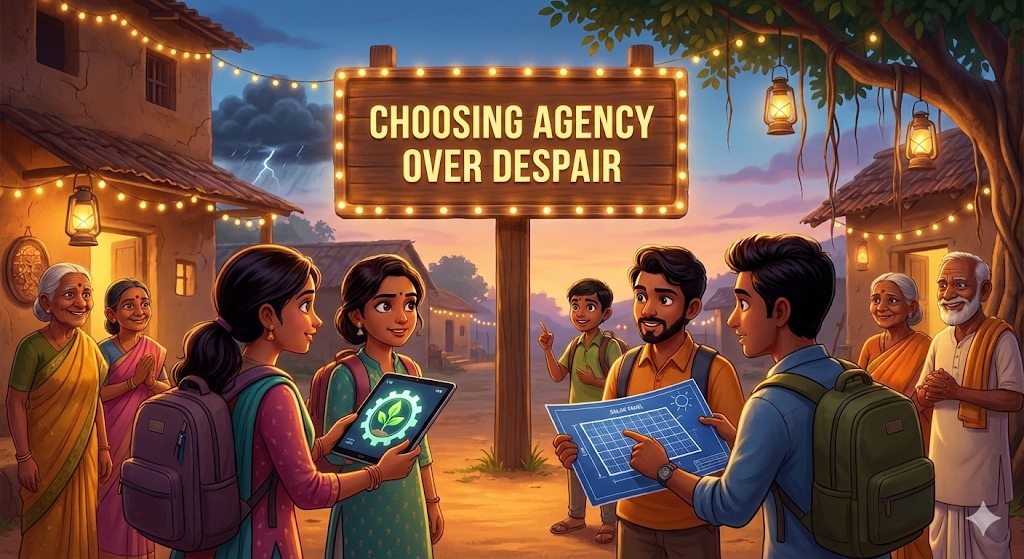
Choosing a study path based on climate impact is a way of taking control. It’s a rejection of the doomer mindset that says, “It’s too late.”
When you align your career path with your values, the academic grind feels different. You aren’t just studying to get a paycheck; you’re acquiring the tools to fix what previous generations broke. And honestly? That’s the most motivating thing in the world.


 The Life Navigator