
BY: AYESHA RANA

Skills > Degrees: Why 2026 Employers Ghost Your Major
Why it’s trending: The “paper ceiling” is crumbling. In 2026, your portfolio is your new GPA.
Let’s be real—spending four years stressing over a 4.0 GPA only to be asked “So, what can you actually do?” is the ultimate buzzkill. But that’s exactly where the job market has landed. The era of the “golden ticket” degree is fading.
The “Show, Don’t Tell” Revolution Employers in 2026 are tired of guessing if an ‘A’ in Marketing 101 means you can actually run a campaign. They don’t want a transcript; they want receipts.
- The Problem: Degrees are static. They show what you studied three years ago.
- The Solution: Skills are dynamic. A live portfolio shows what you built yesterday.
Why Your Major Matters Less Companies like Google, Tesla, and even major consulting firms are shifting to “Skills-First Hiring.” They don’t care if you majored in History or Biology. If you can code Python, design a killer UI, or manage a complex project, you’re hired. The “Skills Passport” is replacing the resume—a verified digital wallet of what you can execute, not just what you memorized.
How to Beat the System
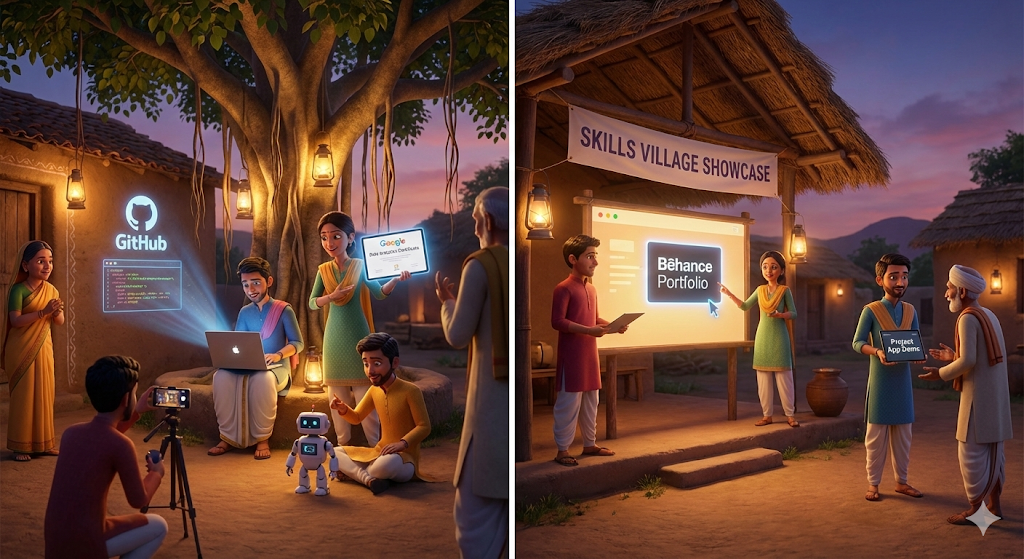
- Ditch the PDF Resume: Or at least, upgrade it. Link to a GitHub repo, a Behance profile, or a personal website.
- Project Over Theory: Don’t just list “Java” as a skill. Link to the app you built. Don’t just say “Communication”; show the video presentation you crushed.
- Micro-Credentials: Short, specific certifications (like a Google Data Analytics cert) often hold more weight than a general elective because they prove current, job-ready competence.
Side Hustles 2.0: Turn Your Notes into Cash
Why it’s trending: The “Gig Economy” has hit the library. Your neatly organized biology flashcards are literally worth money.
You’re already doing the work—attending lectures, highlighting textbooks, and making study guides that are basically works of art. In 2026, keeping those locked in your iPad is like leaving cash on the table.

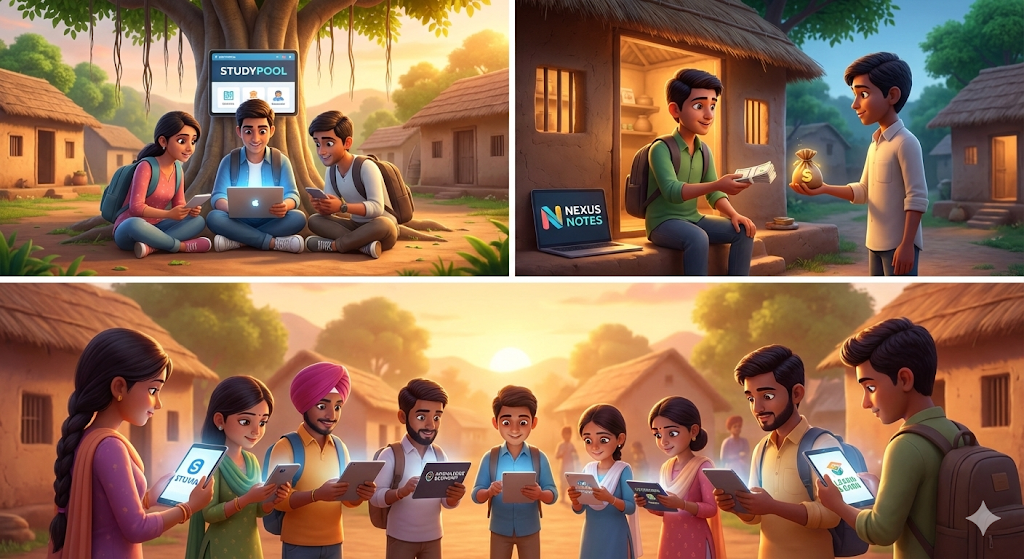
The “Knowledge Economy” for Students There is a massive market of students who didn’t go to class (or just didn’t get it) and are willing to pay for your clarity. Platforms like Stuvia, Studypool, and Nexus Notes have normalized the buying and selling of student intellectual property.
What Actually Sells?
- The “Cheat Sheet” Style: One-page summaries that condense an entire semester into a digestible format.
- Exam-Specific Guides: “Midterm Review for Econ 101” sells better than generic “Economics Notes.”
- Aesthetic Flashcards: If you use tools like Notion or Anki, those decks are high-value digital assets.

How to Start (Without Being Weird About It)
- Audit Your Drive: Look at the notes you’ve already taken. Are they legible? Do they make sense to someone who isn’t you?
- Platform Up: Upload them to a marketplace. They usually take a commission, but it’s passive income. You upload once, and it sells while you sleep.
- Niche Down: The harder the class, the higher the price. Organic Chemistry notes command a premium that “Intro to Film” just can’t match.

The Bottom Line: Your brain is your best asset. In 2026, you don’t just learn for a grade; you learn to earn.


 The Life Navigator