
Are your emotions on a roller coaster? Bipolar disorder, characterized by extreme mood swings from manic highs to depressive lows, can make everyday life a challenging ride. During manic episodes, individuals may feel euphoric, full of energy, and unusually irritable. Conversely, depressive episodes bring about feelings of deep sadness, hopelessness, and fatigue. These unpredictable shifts can affect relationships, work performance, and overall well-being. Understanding the symptoms and seeking proper treatment, such as medication and therapy, are crucial steps in managing bipolar disorder. By recognizing the signs early and implementing effective coping strategies, individuals can lead balanced and fulfilling lives despite the challenges posed by this condition.
10 Coping skill of bipolar disorder
- Adhere to Treatment Plans: Consistently follow prescribed medications and therapy sessions. Regular check-ins with a mental health professional can help manage symptoms effectively. Example: Sarah ensures she takes her prescribed mood stabilizers every day and attends her weekly therapy sessions without fail.

2. Maintain a Routine: Establish a daily schedule for activities, sleep, meals, and exercise. A consistent routine can provide stability and reduce stress. Example: John wakes up at 7 AM, exercises for 30 minutes, eats breakfast at 8 AM, works from 9 AM to 5 PM, and goes to bed at 10 PM every day, following this routine even on weekends.

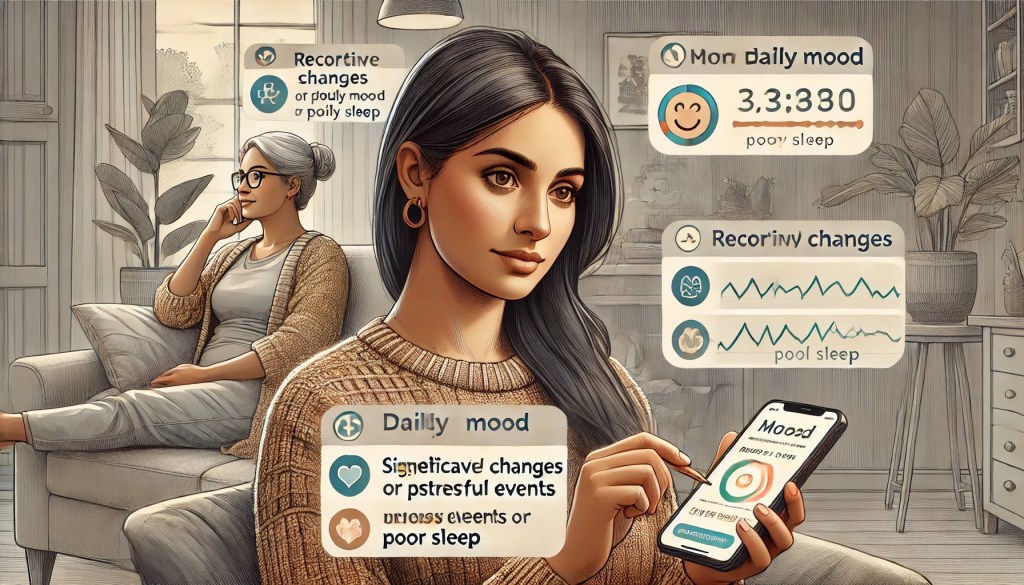
3. Monitor Mood Changes: Keep a mood diary to track emotional fluctuations, triggers, and patterns. This can help in identifying early warning signs of mood episodes. Example: Emily uses a mood-tracking app to record her daily mood, noting any significant changes or potential triggers, such as stressful events or poor sleep.
4. Practice Stress Management: Engage in relaxation techniques such as deep breathing exercises, yoga, or meditation to reduce stress levels and maintain emotional balance. Example: Mike practices deep breathing exercises and meditation for 15 minutes each morning to start his day with a calm and focused mind.

5. Stay Physically Active: Regular physical activity can improve mood and overall well-being. Aim for at least 30 minutes of moderate exercise most days of the week.
Example: Lisa joins a local gym and commits to attending Zumba classes three times a week, finding that the exercise helps lift her mood.

6. Prioritize Sleep: Ensure you get adequate and consistent sleep. Poor sleep can trigger mood episodes, so maintaining good sleep hygiene is crucial. Example: Robert creates a bedtime routine that includes turning off electronics an hour before bed, reading a book, and ensuring his bedroom is dark and quiet to promote restful sleep.

7. Avoid Alcohol and Drugs: Substance use can exacerbate mood swings and interfere with medications. Staying sober helps in maintaining stability. Example: Anna declines invitations to social events where heavy drinking is involved, choosing instead to spend time with friends in alcohol-free environments.

8. Build a Support Network: Surround yourself with supportive family and friends who understand your condition. Support groups can also provide a sense of community and shared experience. Example: David regularly attends a local bipolar support group, where he shares his experiences and gains insights and encouragement from others facing similar challenges.
9. Educate Yourself: Learn about bipolar disorder to understand its symptoms, triggers, and treatments. Knowledge empowers you to manage the condition more effectively. Example: Maria reads books and reputable online articles about bipolar disorder, and she also takes an online course to better understand her condition and effective management strategies.
10. Set Realistic Goals: Break down tasks into manageable steps and set achievable goals. This can prevent feeling overwhelmed and promote a sense of accomplishment. Example: James breaks down his goal of completing a major work project into smaller tasks, such as outlining the project, conducting research, and writing sections, which helps him stay focused and not feel overwhelmed.



 The Life Navigator