
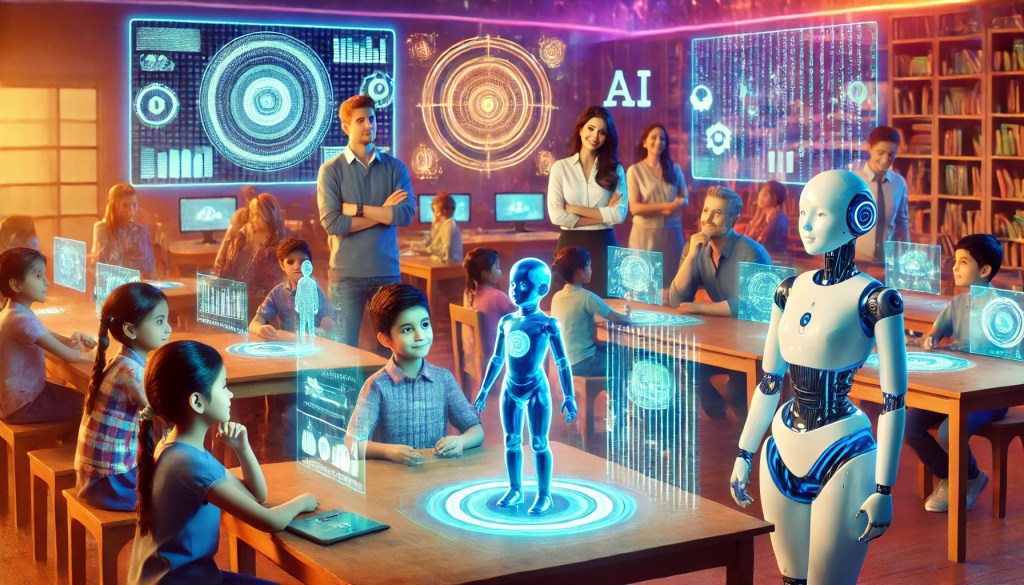
A comprehensive Faculty Development Program (FDP) on “Innovative Teaching-Learning Methods and Teacher’s Self-Care” is scheduled to be conducted in Dec, 2026 This FDP will be delivered in a blended mode, offering both online and offline participation options, designed to accommodate the diverse needs of educators across educational levels. The program will feature an esteemed panel of resource persons and will provide practical assessments for each session, with all participants receiving certificates upon successful completion.
Contact on +91-9182224528 for Session Submission
FDP Topics
The FDP will cover a broad spectrum of topics designed to address both teaching innovations and teacher wellness, ensuring holistic development for educators. Key topics include:
- Innovative Teaching Strategies for the 21st Century
- Methods for active learning, such as flipped classrooms, project-based learning, and case studies.
- Integrating technology in teaching, including the use of multimedia resources, online platforms, and digital assessment tools.
- Designing Inclusive and Engaging Classrooms
- Strategies for creating an inclusive environment that supports diverse learning styles and abilities.
- Techniques for increasing student engagement and fostering a positive classroom atmosphere.
- Leveraging Blended Learning
- Best practices for combining online and offline teaching modes.
- How to engage students in a hybrid classroom setting, utilizing digital resources to complement in-person sessions.
- Assessment and Evaluation Tools
- Introduction to automated assessment systems for efficient evaluation of student performance.
- Methods for using assessments as a tool for learning rather than solely for grading.
- Teacher’s Self-Care and Well-being
- Importance of mental health awareness for educators and strategies for managing stress and workload.
- Practical self-care routines, including mindfulness, stress management, and work-life balance techniques.
- Building Collaborative Networks in Education
- Encouraging collaboration among educators to foster professional support and knowledge sharing.
- Utilizing online educator communities to stay updated with the latest teaching practices and resources.
Who Can Attend?
The FDP is open to educators across different levels of the education system, including school teachers, college instructors, and faculty members in higher education institutions. This diversity allows for a rich exchange of ideas, bridging the gaps between various teaching stages and methodologies. The program is ideal for educators seeking to advance their teaching methods, improve student outcomes, and enhance their personal well-being.
Benefits of Attending
The FDP on Innovative Teaching-Learning Methods and Teacher’s Self-Care offers numerous benefits for participants:
- Modern Teaching Techniques: Attendees will gain insights into innovative teaching methods that are designed to meet the needs of today’s diverse student body.
- Enhanced Student Engagement: Educators will learn strategies for making learning more interactive and engaging, which can lead to better student retention and understanding.
- Blended Learning Proficiency: Participants will develop skills in managing a blended learning environment, which has become increasingly important in today’s educational landscape.
- Practical Assessment Skills: With automated assessments incorporated into the FDP, educators will become familiar with advanced evaluation tools, enhancing their ability to assess student performance effectively.
- Focus on Teacher Wellness: The self-care component of the FDP will help teachers address the challenges of burnout and stress, providing them with tools to maintain a healthy work-life balance.
- Certification and Recognition: Participants will receive a certificate upon completion, which serves as a testament to their commitment to professional growth and can be a valuable addition to their teaching portfolios.
This FDP is a valuable opportunity for educators to expand their teaching toolkit with innovative strategies while learning to prioritize their well-being. By focusing on both professional and personal growth, the program aims to empower teachers to create enriched learning experiences for students and cultivate a sustainable, fulfilling teaching career. Don’t miss this chance to be part of a transformative learning journey with fellow educators and renowned experts in the field.
Topics Guidelines for the resource persons :
Fallowing are the suggestive topics but not limited to:
Teacher Well-being and Stress Management Topics
- Building Resilience in Educators: Techniques for fostering resilience and coping strategies to handle the challenges of modern-day teaching.
- Mindfulness and Stress Reduction Techniques for Educators: Practical mindfulness exercises to reduce anxiety and enhance focus, both inside and outside the classroom.
- Work-Life Balance for Teachers: Strategies for maintaining a healthy balance between professional responsibilities and personal life.
- Understanding Teacher Burnout: Recognizing signs of burnout and implementing proactive measures for recovery and prevention.
- Creating a Positive Mental Health Framework in Schools: Establishing supportive environments that prioritize the psychological well-being of both teachers and students.
- Emotional Intelligence and Teacher Effectiveness: How developing emotional intelligence can enhance communication, empathy, and classroom management skills.
- Self-Care Strategies for Educators: Simple, effective self-care practices to recharge and sustain long-term well-being.
- The Power of Gratitude and Positive Psychology: Utilizing positive psychology practices like gratitude journaling to boost mood and job satisfaction.
- Addressing Compassion Fatigue: Understanding and mitigating the impact of emotional exhaustion from caring for students’ well-being.
- Managing Digital Fatigue: Techniques for reducing screen time and managing the physical and mental strain of online teaching.
Integrated Well-being Approaches
These sessions aim to help educators:
- Develop coping mechanisms for the stressors of teaching.
- Enhance their mental health through mindfulness and resilience training.
- Improve their overall job satisfaction and engagement.
By incorporating sessions focused on well-being, the FDP will offer a holistic approach to professional development, recognizing that the effectiveness of teaching is strongly influenced by the mental and emotional health of the educators.
Innovative Teaching and Learning Strategies
- Design Thinking in Education: Integrating design thinking principles to foster creativity and problem-solving skills in students.
- Flipped Classroom Techniques: Practical applications of flipped classroom models for deeper student engagement.
- Gamification in Education: Using game-based strategies and tools to make learning more interactive and fun.
- Project-Based Learning (PBL): Implementing PBL to encourage critical thinking and real-world problem-solving.
Technology Integration in Teaching
- Artificial Intelligence in Education: Leveraging AI tools for personalized feedback and student support.
- Leveraging Augmented Reality (AR) and Virtual Reality (VR): Creating immersive learning experiences using AR/VR tools.
- Effective Use of Learning Management Systems (LMS): Best practices for using LMS platforms to enhance teaching and learning.
- Digital Storytelling for Student Engagement: Using multimedia tools to create compelling narratives in the classroom.
Assessment and Evaluation Techniques
- Formative Assessment Strategies for Real-Time Feedback: Using digital tools for continuous and formative assessments.
- Data-Driven Teaching: Using analytics to monitor student performance and personalize learning.
- Rubrics and Peer Assessment: Designing effective rubrics and incorporating peer assessment for comprehensive evaluation.
Student-Centered Learning Approaches
- Universal Design for Learning (UDL): Creating inclusive lessons that cater to diverse student needs and learning styles.
- Collaborative Learning Strategies: Techniques to promote group activities and peer learning in both physical and virtual classrooms.
- Encouraging Self-Directed Learning: Empowering students to take ownership of their learning journey through guided autonomy.
Psychological Well-being and Classroom Management
- Promoting Mindfulness in the Classroom: Techniques to integrate mindfulness practices to reduce stress and enhance focus.
- Emotional Intelligence for Educators: Building emotional resilience and empathy in teaching practices.
- Positive Discipline and Classroom Management: Strategies to maintain a respectful and engaging classroom environment.
Curriculum and Course Design
- Backward Design for Curriculum Planning: Planning courses by starting with desired learning outcomes and aligning assessments and activities accordingly.
- Integration of Sustainable Development Goals (SDGs) in Curriculum: Teaching sustainability and global citizenship through interdisciplinary topics.
- Personalized Learning Paths: Using adaptive learning technologies to create customized learning experiences for students.


 The Life Navigator