
By- Dr. Ruby
Why Counseling is Necessary to Avoid Psychiatrist Help: Prevention is Better Than Cure
In today’s fast-paced world, stress, anxiety, and other mental health issues are becoming increasingly common. While seeking help from a psychiatrist is essential for severe mental health conditions, many people can benefit from counseling as a preventative measure. Understanding why counseling is necessary and how it can help you avoid the need for psychiatric intervention can lead to a healthier, more balanced life.
1. Early Intervention:
Counseling provides early intervention for emotional and psychological issues. By addressing problems early on, you can prevent them from becoming more severe. Talking to a counselor can help you understand and manage your emotions before they escalate into something more serious that might require medication or intensive treatment.

2. Managing Stress and Anxiety:
Life is full of stressors, whether from work, school, relationships, or other responsibilities. Counseling helps you develop effective coping strategies to manage stress and anxiety. Learning how to handle stress early can prevent it from leading to more significant mental health problems that might necessitate psychiatric help.

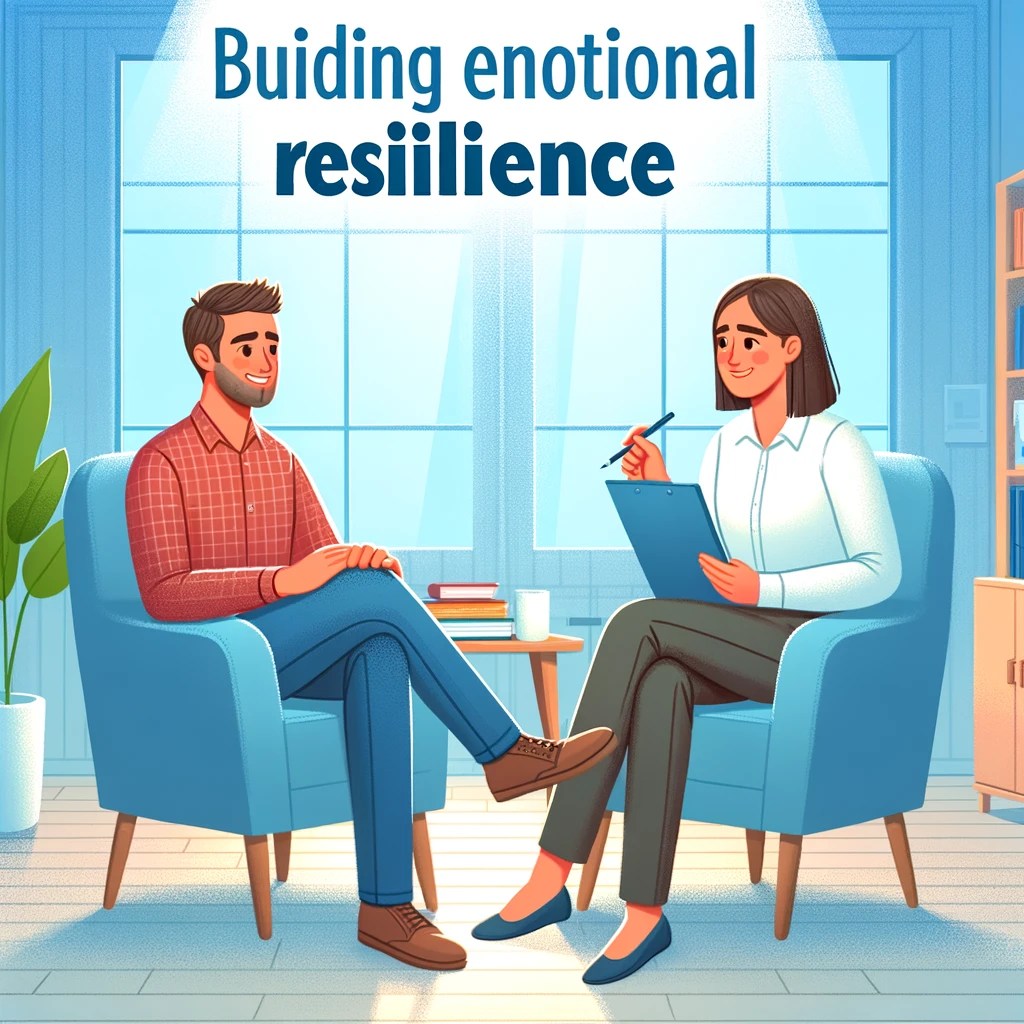
3. Building Emotional Resilience:
Counseling helps you build emotional resilience, which is your ability to bounce back from life’s challenges. By working with a counselor, you can develop healthy ways to deal with setbacks and build the strength to face future challenges. This resilience can reduce the risk of developing severe mental health issues that require a psychiatrist’s expertise.
4. Improving Relationships:
Many mental health issues stem from relationship problems, whether with family, friends, or romantic partners. Counseling can help you improve communication skills, resolve conflicts, and build healthier relationships. Better relationships can lead to a happier life and lower the chances of developing mental health conditions that require psychiatric care.

5. Developing Healthy Habits:
Counselors can guide you in developing healthy habits, such as regular exercise, proper nutrition, and good sleep hygiene. These habits are crucial for maintaining mental health and preventing issues that might need more intensive treatment. Healthy lifestyle changes can make a significant difference in how you feel and cope with daily stressors.

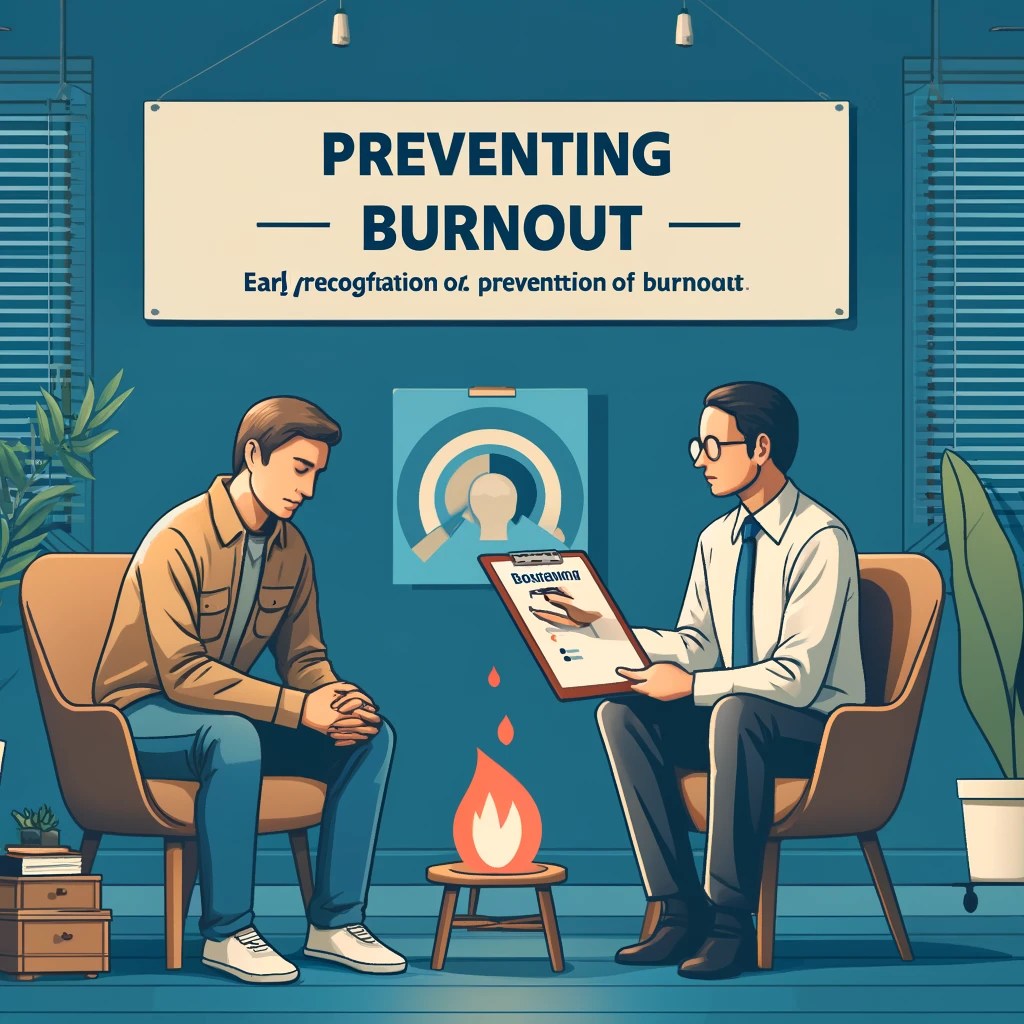
6. Preventing Burnout:
Burnout is a state of emotional, physical, and mental exhaustion caused by prolonged stress. It is common in high-pressure jobs and demanding life situations. Counseling can help you recognize the signs of burnout early and take steps to prevent it. Addressing burnout early can keep it from turning into a more severe mental health issue that requires psychiatric help.
7. Boosting Self-Esteem and Confidence:
Low self-esteem and lack of confidence can contribute to mental health issues. Counseling helps you build a positive self-image and develop confidence in your abilities. Feeling good about yourself can prevent many mental health problems and reduce the need for psychiatric intervention.

8. Adapting to Changing Habits Due to Social Media:
The rise of social media has drastically changed how we interact and perceive ourselves. Constant exposure to curated lifestyles and instant gratification can lead to issues like anxiety, depression, and poor self-esteem. Counseling helps you navigate these changes, develop healthy social media habits, and maintain a realistic self-image.

9. Addressing Poor Diet and Lifestyle Choices:
Modern diets often lack essential nutrients, contributing to physical and mental health issues. Poor dietary choices can lead to fatigue, mood swings, and decreased cognitive function. Counseling can support you in making better dietary and lifestyle choices, promoting overall well-being and preventing mental health problems that might require psychiatric intervention.

Conclusion:
Counseling is a powerful tool for maintaining mental health and preventing serious issues. By addressing problems early, managing stress, building resilience, improving relationships, developing healthy habits, preventing burnout, boosting self-esteem, adapting to changes brought by social media, and improving dietary choices, counseling can help you avoid the need for psychiatric help. Remember, prevention is better than cure. Taking steps to care for your mental health now can lead to a happier, healthier future.


 The Life Navigator